
Understanding the current copper cable scrap price is essential for anyone looking to liquidate electrical waste, construction offcuts, or industrial cabling. Because copper is a globally traded commodity, its value is subject to constant volatility driven by international supply chains, manufacturing demand, and geopolitical stability. For those involved in the trade, knowing how to categorize your material—from bare bright copper to lower-grade insulated wires—is the difference between a mediocre payout and a premium return. Whether you are a professional electrician or a homeowner clearing out a garage, navigating the market requires an understanding of how scrap yards determine their buy rates.
How Copper Cable Scrap Prices Are Determined
The market for scrap metal is not arbitrary; it is tethered to the London Metal Exchange (LME). When you see a current copper scrap price, it is typically a derivative of the LME spot price minus the processing costs, transport logistics, and the scrap yard’s profit margin. However, the price you receive for cable is rarely the same as the price for pure copper pipe. This is because cables must be processed to separate the copper from the plastic insulation (PVC or XLPE). This process, known as granulation or stripping, incurs labor and energy costs. Consequently, the yield—the actual percentage of copper metal contained within the cable—is the primary factor in determining the price per kilogram. High-yield cables, such as thick industrial power feeds, command significantly higher prices than thin data or telecommunications cables, which contain a higher ratio of plastic to metal.
Understanding Copper Grades and Classification
To get the best value, you must understand how recyclers classify your scrap. The market distinguishes between several key grades:
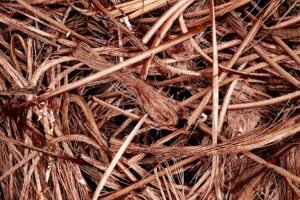
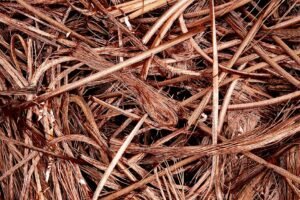
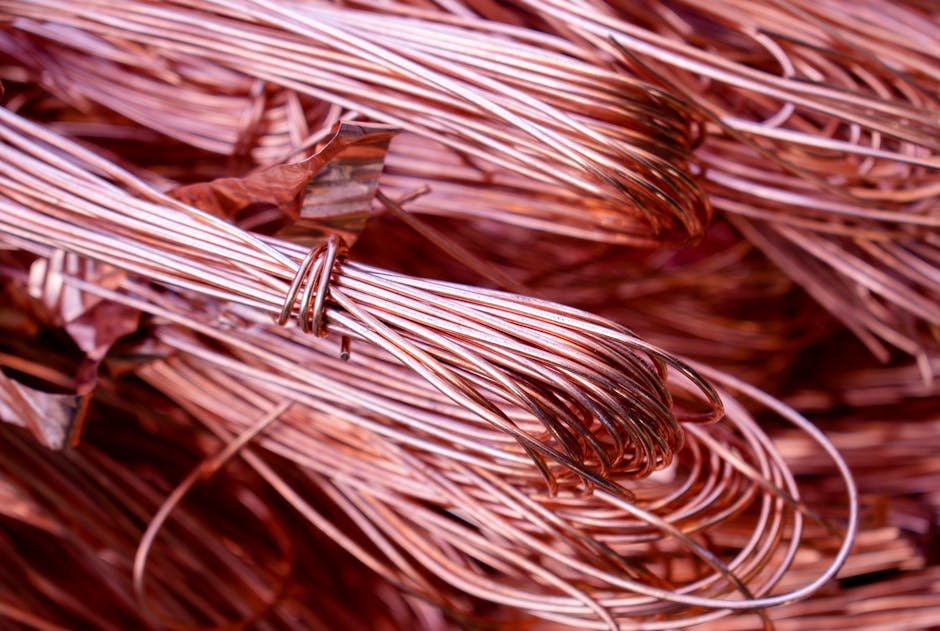
- Bare Bright Copper: This is the gold standard. It consists of unalloyed, uncoated, and uninsulated copper wire, typically 16 gauge or thicker. It must be free of oxidation or contaminants.
- Number 1 Copper: This includes clean copper pipe and heavy-gauge wire that is free of solder, paint, or other attachments.
- Number 2 Copper: This grade includes copper that has some impurities, such as solder, light oxidation, or paint. It is still highly valuable but carries a lower price point than Number 1.
- Insulated Copper Wire: This is where your copper cable scrap price is most variable. It is graded based on the copper content (e.g., 30%, 50%, or 70% yield).
By sorting your materials into a Copper Scrap Group before arriving at the yard, you ensure that you are not being paid the “mixed load” rate, which is almost always the lowest price on the board.
Factors Influencing the Market Value
Beyond the LME, several real-world factors influence the copper cable scrap price. First, global industrial demand is a massive driver. When the automotive, construction, and renewable energy sectors (especially EV manufacturing) are booming, copper demand spikes, pushing prices upward. Conversely, economic downturns often lead to a surplus of scrap and a decline in new manufacturing, causing prices to dip. Second, currency fluctuations play a significant role. Since copper is traded in USD, the strength of the Australian Dollar (AUD) against the US Dollar directly impacts the local price. If the AUD is weak, imported copper becomes more expensive, but local scrap prices may rise as domestic recycling becomes more attractive. Finally, local logistics—such as the distance to the nearest port or processing facility—can impact the final price offered by a yard.
The Recycling Process: From Scrap to Commodity
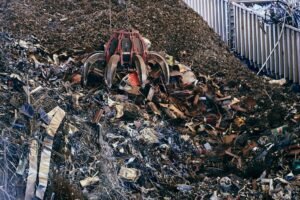
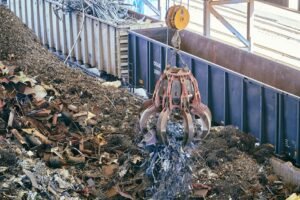
The journey of a copper cable from a construction site to a new product is a marvel of modern engineering. Once collected, cables are often fed into a granulator. This machine chops the cable into tiny pieces and then uses air separation or water tables to separate the heavy copper granules from the lighter plastic insulation. The result is clean copper “choppings” that can be melted down and cast into new ingots, rods, or wire. This process is incredibly efficient, as copper can be recycled infinitely without losing its conductive properties. By choosing to recycle, you are supporting a circular economy that reduces the need for destructive copper mining, which is energy-intensive and environmentally damaging. For more information on how to prepare your materials, visit Scrap Trade for industry-standard best practices.
Maximizing Your Returns: Tips for Sellers
If you want to ensure you are getting the best deal, follow these professional tips. First, always strip your cables if it is economically viable. While stripping thin wires by hand is tedious, using a mechanical wire stripper can turn low-grade insulated wire into high-value bare bright copper, significantly increasing your profit. Second, keep your copper clean. Contamination is the enemy of value. Keep your copper pipe separate from your copper wire, and ensure that brass fittings or steel attachments are removed. Third, timing is everything. Keep an eye on the scrap price of copper today to understand market trends. If you have a large volume, consider holding your scrap until the market hits a peak. For those ready to sell, find a local partner by checking Scrap Copper Near Me Where To Sell Copper Scrap For The Best Price to compare local offerings.
Environmental and Economic Impacts
The environmental case for copper recycling is ironclad. Mining copper ore requires crushing massive amounts of rock, consuming vast quantities of water and electricity, and often resulting in toxic tailings. In contrast, recycling copper uses up to 85% less energy than producing it from virgin ore. Economically, the industry is a vital pillar of the Australian economy, providing jobs in logistics, processing, and manufacturing. By participating in this system, you are not just getting paid; you are contributing to a more sustainable future. For detailed insights into electronic cable recycling, read our guide on Cable Wire Scrap Price Copper Bearing Electronic Cable 2026. Professional recyclers like those at Scrap Trade Australia are dedicated to ensuring that every kilogram of metal is processed according to the highest environmental standards.
Navigating the Future of Copper Markets
As the world transitions to renewable energy, the demand for copper is expected to skyrocket. Copper is the backbone of the green revolution, essential for wind turbines, solar panels, and electric vehicle charging infrastructure. This long-term demand suggests that the value of copper will remain robust, making it a reliable asset for those who generate scrap. It is important to stay informed about the current copper scrap price by using reliable digital tools. Avoid “fly-by-night” buyers who do not provide transparent pricing or weight verification. Always look for yards that use calibrated scales and provide clear, itemized receipts. By treating your scrap metal as a valuable commodity rather than waste, you ensure that you are maximizing your financial return while supporting a vital global industry.
Strategic Collection and Storage
Efficiency in the scrap business starts with collection. If you are a contractor or a demolition professional, implementing a “source-separation” strategy is key. Instead of throwing all your metal into a single skip bin, use dedicated containers for copper, brass, aluminium, and steel. When you arrive at the scrap yard with pre-sorted materials, you save the yard time, and they are often more willing to offer a better price. Furthermore, store your copper in a dry, secure location. While copper does not rust, it does oxidize (turning green or black), which can lead some recyclers to downgrade your material to a lower grade. Keeping your copper indoors or covered is a simple way to maintain its quality and ensure you receive the top-tier price per kilogram. Remember, the market is competitive; being a professional, organized seller will always put you in a better position than someone bringing in a disorganized, contaminated load.
The Role of Technology in Scrap Trading
Technology is changing how we trade scrap. Today, mobile apps and online portals provide real-time updates on metal prices today, allowing sellers to time their sales perfectly. Advanced X-ray fluorescence (XRF) analyzers are also becoming common in scrap yards, allowing operators to instantly determine the chemical composition of an alloy. This transparency benefits the seller, as it removes the guesswork from grading. As you continue to trade, utilize the resources available on our platform to stay ahead of the curve. Whether you are dealing with high-voltage industrial cables or everyday household wiring, the principles of value remain the same: quality, cleanliness, and market timing. By staying educated and strategic, you turn your scrap metal into a reliable revenue stream for your business or household.
Frequently Asked Questions
Why does the copper cable scrap price change so often?
Copper is a globally traded commodity, and its price is influenced by the London Metal Exchange. Factors like supply and demand, currency exchange rates, and geopolitical events cause the price to fluctuate daily.
Is it worth stripping the insulation off copper cable?
Yes, if you have the right tools, stripping insulation increases the value of your scrap by moving it from a lower ‘insulated’ grade to a higher ‘bare bright’ or ‘number 1’ copper grade. However, ensure the time spent stripping is offset by the price increase.
How can I get the best price for my scrap copper?
To get the best price, keep your copper clean, remove all attachments like steel or plastic, and sort your materials by grade before visiting the scrap yard. Always check the current market prices before selling.
What is the difference between number 1 and number 2 copper?
Number 1 copper is clean, unalloyed, and free of any oxidation or coatings. Number 2 copper may contain minor impurities like solder, light oxidation, or paint, which makes it slightly less valuable than number 1.