
Understanding the current copper price per kg UAE is essential for contractors, demolition experts, and recycling enthusiasts looking to maximize their returns on industrial waste. Because the UAE acts as a critical hub for global trade, local metal prices today are inextricably linked to international commodity exchanges, primarily the London Metal Exchange (LME). When you are looking to liquidate your inventory, knowing how to categorize your scrap—whether it is premium copper wire or oxidized copper pipe—is the difference between a standard payout and a premium return. This comprehensive guide serves as your authoritative resource for navigating the complexities of the UAE scrap metal market, ensuring you receive the best possible market rate for your materials.
The Mechanics Behind Copper Pricing in the UAE
The pricing structure for copper in the United Arab Emirates is not arbitrary; it is a sophisticated reflection of global economic health. At its core, the price is anchored to the LME, which sets the benchmark for non-ferrous metals. However, the copper price per kg UAE is adjusted by local scrap yards based on a variety of logistical and economic factors. When commodities analysts track current scrap prices, they are essentially tracking the cost of copper on the global market minus the costs of processing, logistics, and the profit margins of the recycling facility.
Refining copper is an energy-intensive process. Therefore, when global oil prices rise, the cost of transporting and smelting scrap metal often increases, which can exert downward pressure on the price paid to the supplier. Furthermore, the UAE’s reliance on import-export dynamics means that the strength of the US Dollar against the Dirham plays a pivotal role. Since copper is traded globally in USD, any fluctuation in currency valuation impacts the local purchase price. To stay ahead, savvy traders monitor these macro-economic indicators daily. For those operating internationally, comparing these local rates with the Australian scrap metal market provides a useful benchmark for understanding how regional demand affects global commodity flow.
Categorizing Your Scrap: From Bare Bright to Number 2
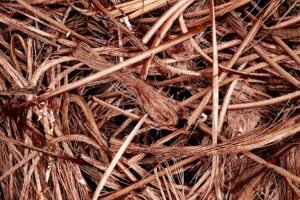
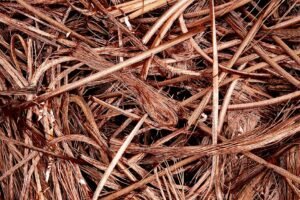
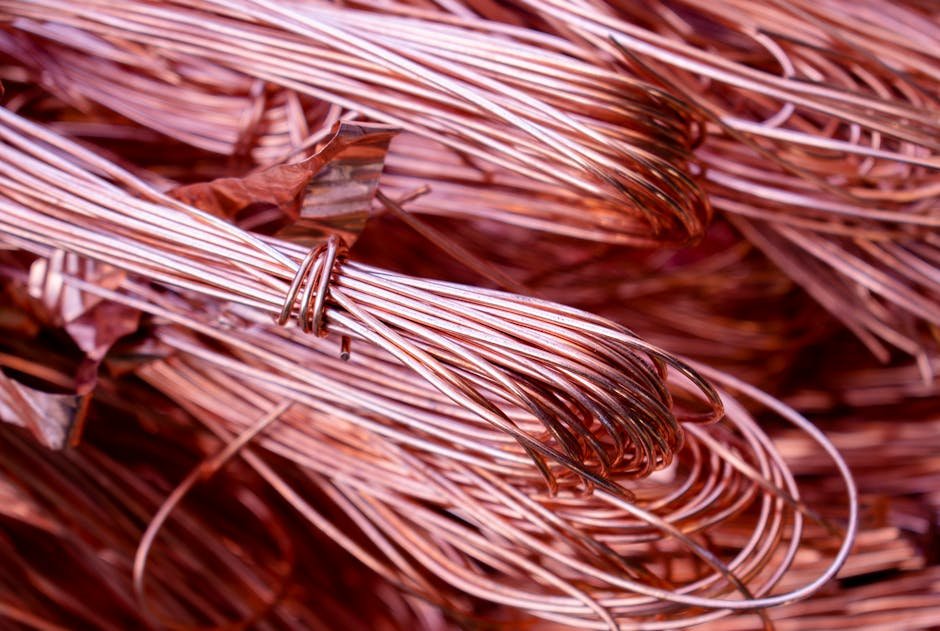
Not all copper is created equal, and understanding the grading system is the most effective way to increase your revenue. The industry standard for high-value scrap is bare bright copper. This refers to clean, unalloyed, uncoated, and uninsulated copper wire that is free of any oxidation or solder. Because this material requires minimal processing before it can be melted down and repurposed, it commands the highest price in the market. If you are preparing your scrap for sale, stripping insulation from wires is the single most effective way to elevate your payout.
Next in the hierarchy is number 2 copper. This grade typically includes copper that has some level of contamination, such as solder, paint, or light oxidation. While it is still highly valuable, it requires more intensive refining processes, which is why the price per kilogram is lower than that of bare bright. Then there is the common copper pipe, often sourced from plumbing and HVAC systems. If these pipes are clean and free of brass fittings or excessive solder, they can fetch a price closer to premium grades. However, if they are heavily corroded or contain non-copper attachments, they will be downgraded. For a deeper dive into the technicalities of these grades, refer to this Copper Scrap Price Guide: Current Market Values & Recycling Tips to ensure you are sorting your materials correctly before heading to the yard.
Factors Influencing Local Market Rates
Several localized factors influence the copper price per kg UAE beyond global LME movements. The first is domestic demand. The UAE is a massive construction hub, and the demand for new building materials, including electrical wiring and plumbing infrastructure, drives the need for recycled copper. When major construction projects are in full swing, local scrap yards often increase their buying prices to secure enough stock to meet the demands of local smelters and exporters.
Another critical factor is the volume of your scrap. Scrap yards operate on thin margins and high volumes. If you are a small-scale collector, you may receive a standard market price. However, if you are a demolition contractor with consistent, high-volume supply, you gain leverage to negotiate better rates. Building a long-term relationship with a reputable buyer is essential. If you are unsure where to start, you can find local resources by searching for Scrap Copper Near Me Where To Sell Copper Scrap For The Best Price. This will help you identify facilities that offer transparent pricing and reliable weighing scales, which are crucial for ensuring you are paid accurately for the weight you deliver.
The Lifecycle of Recycled Copper
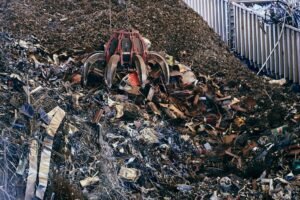
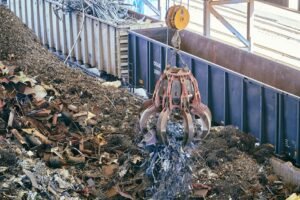
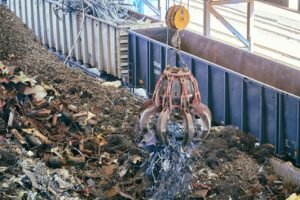
Recycling copper is one of the most efficient industrial processes in existence. Unlike many other materials, copper can be recycled indefinitely without losing its physical or chemical properties. This makes it a highly sustainable resource. In the UAE, the recycling process typically involves collection, sorting, shredding, and smelting. The shredding process is particularly important for copper wire, as it separates the metal from the plastic insulation. This plastic is then often recycled separately, while the copper is melted into ingots or rods to be sold back into the manufacturing supply chain.
By participating in this circular economy, you are not just making money; you are reducing the carbon footprint of the construction industry. Mining virgin copper is an environmentally destructive process that requires massive amounts of energy and water. By providing high-quality scrap, you are directly contributing to a more sustainable industrial future in the UAE. For those interested in the broader context of scrap trading, including how other metals like brass are valued in different regions, you might find it useful to review the 1 Kg Brass Price In Australia to understand how pricing parity works across the global scrap metal sector.
Logistics and Preparation Tips
Preparation is the secret to profitability in the scrap metal business. If you arrive at a yard with a mixed pile of dirty, insulated, and contaminated copper, you will receive the lowest possible price. To maximize your return, follow these professional tips: 1. Always separate your copper from other metals like aluminum, steel, and brass. 2. Strip your wires; the time spent removing insulation is almost always paid back in the higher price per kilogram you receive for the clean metal. 3. Remove all attachments from copper pipe, such as steel valves or lead solder joints. 4. Keep your copper clean and dry; moisture and dirt add unnecessary weight and can lead to oxidation, which degrades the grade of the metal.
Furthermore, keep a record of your sales. Tracking your weight and the price you received over time will help you identify trends in the market. You will begin to notice when the market is peaking and when it is dipping, allowing you to time your sales for maximum profit. Always ensure you are working with a licensed facility that utilizes calibrated scales. If you are new to this, visit Scrap Copper to gain a foundational understanding of how to manage your scrap inventory effectively and professionally.
Future Trends and Market Outlook
The future of the copper market in the UAE looks robust, driven by the global transition to renewable energy. Copper is a critical component in electric vehicles (EVs), wind turbines, and solar panels. As the UAE continues its commitment to sustainable infrastructure and green energy initiatives, the demand for copper is expected to remain high. This long-term demand curve suggests that the value of copper will remain a cornerstone of the scrap metal industry for decades to come.
However, investors and traders should remain cautious of market volatility. Geopolitical tensions, changes in trade policies, and technological advancements in mining can all cause sudden shifts in the market. To maintain a competitive edge, stay informed by reading trade journals, monitoring LME reports, and maintaining a network of reliable buyers who can provide real-time updates on market conditions. By treating your scrap collection as a professional business rather than a casual side-hustle, you position yourself to benefit from both the immediate market fluctuations and the long-term growth of the copper industry.
Conclusion: Maximizing Your Scrap Potential
The copper price per kg UAE is a dynamic metric that rewards those who understand the market. By focusing on quality, proper sorting, and building strong relationships with reputable buyers, you can significantly increase your profit margins. Whether you are dealing with small quantities of wire or large-scale industrial demolition waste, the principles remain the same: clean, sort, and time your sales. Use the resources provided here to guide your operations, and remember that every kilogram of copper you recycle is a step toward a more efficient, sustainable economy. For further insights and expert advice, continue to follow our industry updates and utilize our comprehensive guides to navigate the ever-changing landscape of global metal trading.
Frequently Asked Questions
How often do copper prices change in the UAE?
Copper prices in the UAE are highly volatile and typically update daily. They are pegged to the London Metal Exchange (LME) and fluctuate based on global supply, demand, and currency exchange rates.
Is it worth stripping insulation from copper wire?
Yes, it is almost always profitable to strip insulation from copper wire. Bare bright copper commands a significantly higher price than insulated wire because it requires less processing at the recycling facility.
What is the difference between number 1 and number 2 copper?
Number 1 copper (often called bare bright) is clean, unalloyed, and free of oxidation. Number 2 copper contains minor contaminants like solder, paint, or light oxidation, which makes it less valuable.
How can I ensure I get the best price for my scrap?
To get the best price, always sort your scrap by grade, remove non-copper attachments, and keep your materials clean and dry. Building a relationship with a high-volume, reputable scrap yard will also help you negotiate better rates.