Copper recycling is a cornerstone of Australia’s circular metal economy. Every tonne reused cuts 3 tonnes of CO₂, keeps high-value metal in local supply chains, and puts money back into your pocket. This definitive guide unpacks grades, pricing, collection logistics, compliance, and market trends so homeowners, electricians, plumbers, demolition crews, and scrap traders can extract maximum value while meeting environmental obligations.
1. Why Copper Recycling Matters for Australia
Australia consumes 600 kt of copper annually yet mines only 450 kt. The gap is closed by Scrap Copper collected from households, building sites, and manufacturers. Recycled copper meets 45 % of domestic demand, underpins the copper price per kg on the LME, and supports 1,800 direct jobs in collection, sorting, and smelting. Export restrictions introduced in 2021 mean more metal is now reprocessed locally, tightening supply and lifting returns for diligent collectors.
Beyond economics, copper recycling saves 85 % of the energy required to mine and refine virgin ore, slashes water use by 65 %, and diverts heavy metal from landfill where it can leach into soils. For states such as NSW and Victoria, where landfill levies exceed AUD 145 per tonne, every kilogram diverted is direct profit.
2. Copper Grades Explained: Bare Bright Copper to Number 2 Copper
Prices are paid strictly by grade. Mis-classification can cost 30–40 c per kg, so learn the visual cues:
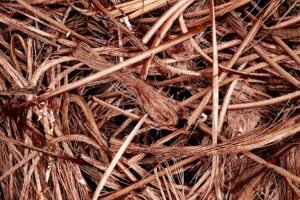
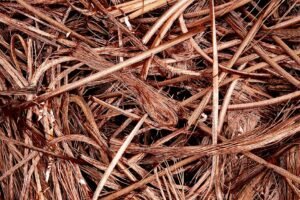
- Bare bright copper: Clean, unalloyed, uncoated wire >1 mm diameter, bright salmon colour, no tarnish or solder. Top price tier.
- #1 Copper: Clean pipe, bus bar, or wire with minimal oxidation; paint or solder must be <1 % surface area.
- Number 2 copper: Painted, soldered, or coated pipe and wire; max 5 % other metal. Valuable but discounted.
- Copper wire (plastic coated): Household cabling. Must be stripped or graded as insulated heavy/high grade. Stripping boosts return 100 %.
- Copper pipe with brass fittings: Valued as mixed #2 unless detinned.
Tip: Keep grades separate in labelled drums; contamination downgrades the entire drum to the lowest grade.
3. Current Copper Recycling Price in Australia
Domestic yards peg the copper recycling price to the LME cash settlement, AUD/USD, and local demand. As of this week:
- Bare bright copper: AUD 11.80–12.10 per kg
- #1 Copper: AUD 11.40–11.70 per kg
- Number 2 copper: AUD 10.60–10.90 per kg
- Insulated heavy copper wire (45 % recovery): AUD 5.80–6.20 per kg
Prices swing daily; subscribe to SMS alerts from Scrap.trade or the ScrapTrade.com.au app for instant notifications when the copper price per kg moves more than 20 c. Payment is by EFT on the same day if you supply an ABN and bank details; cash payments above AUD 1,000 require photo ID under the Second-Hand Dealers Act.
4. Where to Source Copper Scrap in Australia
High-volume streams include:
- Demolition sites: Copper pipe from hot-water systems, air-conditioning lines, and electrical earthing straps.
- Renovation skips: Mixed-grade copper wire from lighting circuits, power points, and range-hood cabling.
- Manufacturing off-cuts: Bus bar, punching, and turnings from switchboard builders.
- End-of-life vehicles: Wiring looms, starter motors, and alternators.
Always secure written permission from site managers; scrap removal without it is theft. For householders, check council e-waste days or list items on the Recycling Community board to swap or sell locally.
5. Collection & Safety: Tools, Transport, and Legalities
Personal protective equipment is non-negotiable: leather gloves, safety glasses, and steel-capped boots. Use a quality wire stripper or an automated drill-mounted blade for long runs of copper wire; avoid open-flame burning—it’s illegal in every state and destroys value by oxidising metal. For heavy copper pipe, a portable pipe cutter keeps lengths under 1.2 m to fit standard bins and avoid over-weight surcharges.
Vehicles must hold a EPA-licensed transport permit when carrying more than 200 L of scrap metal. Secure loads with tarps; fines start at AUD 750. If you regularly move more than 5 t per month, install a GPS tracker—police may request chain-of-custody data under the Scrap Metal Industry Act 2016 (Vic) and equivalent laws.
6. Finding the Best Copper Recycling Yard Near You
Proximity matters because freight erodes margin quickly. A yard 50 km away can cost 7 c per kg in diesel and time. Use the Metal Recycling Near Me directory to filter by postcode, opening hours, and instant payment options. For Sydney residents, the dedicated guide on copper recycling Sydney lists weighbridge locations, peak traffic times, and current queues updated live via GPS.
Before you go, phone ahead to confirm acceptance limits; some yards cap daily volumes during high-supply periods. Bring photo ID, a utility bill for address verification, and your ABN if you want GST input credits.
7. Maximising Profit: Stripping, Sorting, and Timing Sales
Strip plastic insulation from 2.5 mm2 domestic copper wire only when the plastic-to-copper ratio exceeds 35 %. Lighter gauge wire loses money after labour. Store stripped bare bright copper in a sealed drum with a desiccant pouch to prevent surface oxidation that downgrades to #1.
Market timing: copper prices rise in March–April when Chinese fabricators restock ahead of construction season, and again in September ahead of the northern winter power-grid upgrades. If storage is secure and dry, holding 100 kg through a 30 c swing yields an extra AUD 30 with zero labour.
8. Environmental Compliance and Sustainability Reporting
Facilities handling >10 t per month must report to the National Pollutant Inventory (NPI) for copper compounds. Use weighbridge dockets to maintain a mass-balance log; this data feeds into corporate sustainability reports and can earn extra AUD 2–3 per kg under “green premium” contracts with CSR-focused buyers. ISO 14001-certified yards now offer blockchain traceability from bin to billet, attractive to European customers paying top copper price per kg.
9. Advanced Trading Tips for Commercial Operators
Hedge price risk by selling forward on the LME at AUD/USD hedged 1:1 for container loads (minimum 20 t). Domestic traders can utilise the Scrap.trade futures board to lock in a price 90 days ahead, protecting margin if the copper recycling price falls during container packing and shipping. Always insure cargo for 110 % of invoice value; average loss ratios on sea freight from Sydney to Ningbo run 0.3 %.
Monitor the AUD/USD and Shanghai Futures Exchange (SHFE) arbitrage. When SHFE trades >USD 150 above LME, Australian scrap becomes attractive to Chinese traders, pushing domestic premiums higher. Subscribers to the ScrapTrade.com.au daily brief receive arbitrage alerts at 7 am AEST.
10. Future Trends: Green Demand and Technology Shifts
Electric vehicles use 83 kg of copper each, renewables up to 450 kg per MW. By 2030, Australia’s domestic copper recycling capacity must double to meet demand, according to the CSIRO. Expect tighter contaminant limits (<0.1 % impurities) and greater use of sensor-based sorting to hit these specs. Early adopters who invest in eddy-current and laser-induced spectroscopy systems will command premium pricing and long-term supply contracts.
Conclusion
Copper recycling is more than a side hustle—it’s a strategic resource stream that pays cash, protects the planet, and underpins Australian manufacturing sovereignty. Understand grades, monitor the copper price per kg, use the Metal Recycling Near Me locator, and stay connected with the Recycling Community for market intel. Whether you’re stripping a few kilos of copper wire or exporting 40 t of bare bright copper, knowledge, timing, and compliance turn scrap into serious profit.
Frequently Asked Questions
What is the current copper recycling price per kg in Australia?
As of this week, bare bright copper fetches AUD 11.80–12.10 per kg, while number 2 copper averages AUD 10.60–10.90. Prices track the LME and move daily; check the live page for updates.
Do I need to strip plastic from copper wire before selling?
Strip only heavy-gauge wire where plastic exceeds 35 %. Bare bright copper pays nearly double insulated wire, but labour on thin data cables costs more than the margin gained.
Is a licence required to transport copper scrap?
Private individuals can carry up to 200 L without paperwork. Commercial carriers moving >200 L or 5 t per month need an EPA transport permit and must record each load’s mass and destination.
Where can I recycle copper in Sydney today?
Use the dedicated copper recycling Sydney guide to view real-time queues, opening hours, and directions to certified yards with instant EFT payments.