
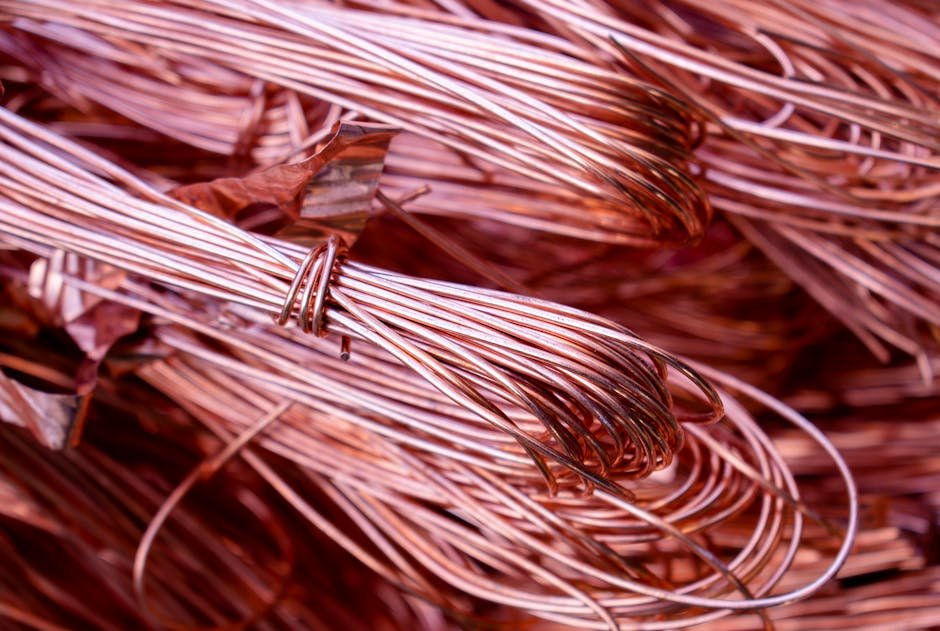

Copper recycling price is a critical factor for anyone involved in the scrap metal industry, whether you’re a casual seller or a professional recycler. Understanding how these prices are determined and what drives fluctuations can help you maximize your returns. In Australia, where copper demand remains robust due to infrastructure development and renewable energy projects, staying informed about copper recycling price trends is essential for profitability.
Current Market Value of Copper Recycling in Australia
As of the latest market assessments, the average copper recycling price in Australia ranges between $7 and $13 per kilogram, depending on the type and condition of the copper. For example, bare bright copper (clean, uncoated copper wire) typically fetches the highest prices, often exceeding $13 per kg, while number 2 copper (clean, mixed copper wire) commands about $9 to $11 per kg. Copper pipe and copper wire with limited insulation also fall into the mid-range, with prices between $8 and $10 per kg.
These figures are influenced by international benchmark prices, which are tied to the London Metal Exchange (LME). For instance, when global copper prices rise due to increased demand from China or the U.S., Australian scrap yards often adjust their price per kg to remain competitive. To find the most accurate current scrap prices, visit Scrap Trade, where real-time data is updated daily.
How Copper Recycling Prices Are Determined
Copper recycling price is not set arbitrarily. It is shaped by a combination of global and local factors, including:
- Supply and demand dynamics: High demand from industries like construction and electronics manufacturing can drive prices upward.
- Processing costs: The cost of refining scrap copper into reusable metal affects the final price paid to sellers.
- Market competition: Scrap yards in regions with lower supply may offer higher rates to attract sellers.
- Exchange rates: Australia’s reliance on international trade means currency fluctuations impact import/export costs.
For example, in 2023, the current scrap prices for copper were particularly volatile due to geopolitical tensions and supply chain disruptions. Sellers who monitored these trends were better positioned to time their sales strategically.
Key Factors Influencing Copper Recycling Prices
Several macroeconomic and environmental factors play a role in shaping copper recycling price trends:
- Global economic conditions: Economic growth in major economies like China and the U.S. drives demand for copper in infrastructure projects.
- Mining production: A decline in primary copper production can increase reliance on recycled copper, boosting prices.
- Recycling rates: Higher recycling rates reduce the need for new copper, stabilizing prices in the long term.
- Geopolitical events: Trade wars or sanctions can disrupt supply chains, causing short-term price spikes.
- Environmental policies: Government incentives for recycling (e.g., tax breaks) can influence market behavior.
A case in point is the Australian government’s push for renewable energy projects, which has increased demand for copper in solar panels and wind turbines. This has led to a steady rise in price per kg for high-purity copper grades over the past two years.
Practical Tips for Maximizing Copper Recycling Earnings
To get the best copper recycling price, consider these actionable strategies:
- Sort and grade your materials: Separate bare bright copper from number 2 copper and remove contaminants like plastic or insulation. This ensures you receive the highest rate per grade.
- Check scrap copper near me listings: Competitive pricing varies by location. Use online platforms to compare metal prices today across multiple scrap yards.
- Time your sale strategically: Sell during periods of high demand, such as before major infrastructure projects or during seasonal construction booms.
- Join the Recycling Community: Engage with other sellers to stay updated on price trends and negotiate better deals.
For example, if you have copper wire with minimal insulation, selling it as number 2 copper might yield $10 per kg, whereas removing all insulation could reclassify it as bare bright copper, fetching $13 per kg. Simple preparation steps can significantly boost your earnings.
The Role of Copper Grades in Pricing
Copper is categorized into grades based on purity and condition, which directly affects the copper recycling price. Common grades include:
- Bare bright copper: Clean, uncoated wire with no insulation. This is the highest grade and commands the highest price, often $13–$15 per kg.
- Number 2 copper: Clean, mixed copper wire with minimal insulation. Prices range from $9 to $11 per kg.
- Copper pipe: Used in plumbing; prices depend on the amount of debris or solder residue. Typically $8–$10 per kg.
- Light gauge wire: Thin wire with plastic coating. Prices vary between $7 and $9 per kg.
If you’re unsure about your materials’ grade, consult a professional recycler. Misclassification can lead to significant revenue loss. For detailed guidance, read Sell Copper: How to Get the Best Price for Copper Scrap.
Staying Informed on Copper Recycling Prices
To navigate the copper recycling price market effectively, use these resources:
- Copper Recycle Price: A dedicated page tracking historical and current rates.
- Price of Scrap Copper: Regional breakdowns for major Australian cities like Sydney, Melbourne, and Brisbane.
- Scrap Trade: A comprehensive platform for selling scrap metal and accessing real-time price data.
- ScrapTrade.com.au: Offers tools for comparing metal prices today and connecting with certified recyclers.
Regularly monitoring these resources ensures you’re always aware of the current market value per kg, allowing you to sell when prices are most favorable.
Conclusion
The copper recycling price in Australia is a dynamic metric influenced by global markets, local demand, and material purity. By understanding how prices are set, sorting your materials effectively, and leveraging online tools like Scrap Trade, you can optimize your earnings. Whether you’re dealing with copper wire or copper pipe, proactive research and strategic timing are key to maximizing your returns.
Frequently Asked Questions
What is the current copper recycling price per kg in Australia?
As of the latest data, the average price ranges from $7 to $13 per kg, with high-purity grades like bare bright copper reaching up to $15 per kg. Prices vary based on location, material type, and global market conditions.
How can I determine the best time to sell my copper scrap?
Monitor global copper prices on the London Metal Exchange (LME) and track local demand trends. Selling during periods of high construction activity or before major infrastructure projects can yield better rates.
Are there any hidden costs associated with selling copper scrap?
Most reputable scrap yards charge transparent fees. However, be cautious of processing costs for low-grade copper or additional charges for small quantities. Always clarify terms before finalizing a sale.
How does the purity of copper affect its recycling price?
Higher purity copper, such as bare bright or heavy gauge wire, commands significantly higher prices than lower grades like number 2 copper or light gauge wire. Sorting and cleaning materials can improve classification and earnings.











