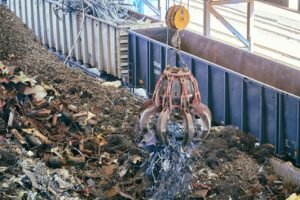

Copper recycling Sydney is a vital component of Australia’s waste management and resource recovery ecosystem. As demand for sustainable materials grows, copper—valued for its conductivity, durability, and infinite recyclability—has become a cornerstone of the recycling industry in Greater Sydney and New South Wales (NSW). This guide explores the environmental, economic, and practical aspects of copper recycling, offering actionable insights for individuals, businesses, and recyclers.
Environmental and Economic Benefits of Copper Recycling
Recycling copper reduces the need to mine new ore, conserving energy and minimizing environmental degradation. Producing recycled copper requires 85% less energy than extracting and refining primary copper. In Sydney, where urbanization and industrial activity generate significant copper waste, recycling helps mitigate landfill use and supports a circular economy.
Types of Copper Scrap in Sydney
Understanding the categories of copper scrap is essential for maximizing returns. Common types include:
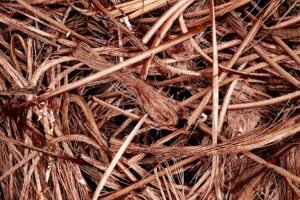
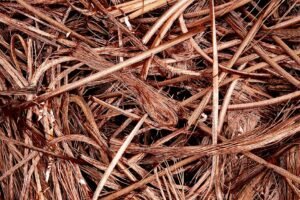
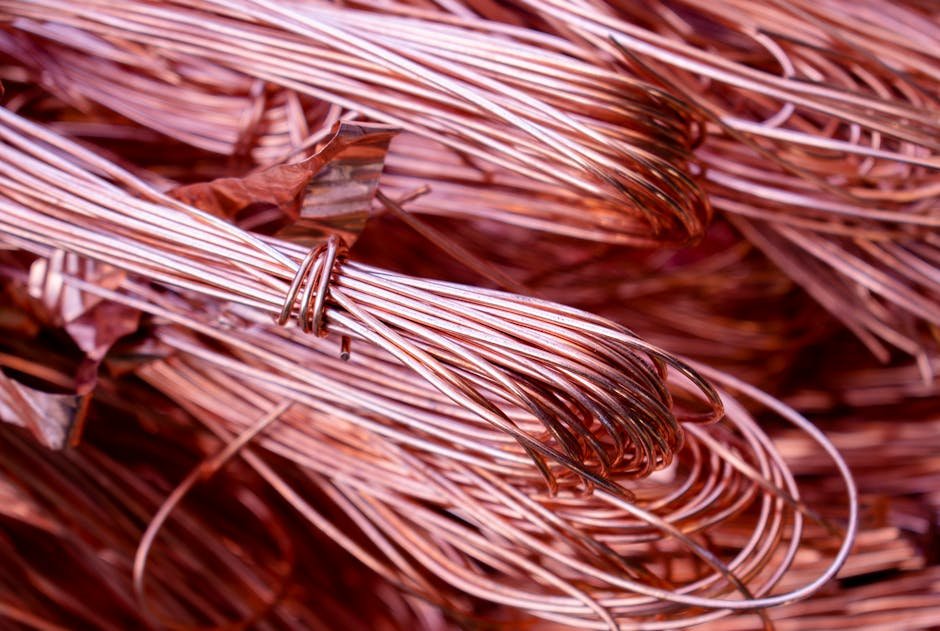
- Bare bright copper: Uninsulated copper wire, often from electrical systems, commands the highest price due to its purity.
- Number 2 copper: Mixed copper with insulation, such as old cables, which is stripped during processing.
- Copper pipe: Used in plumbing systems, this material is often recycled for industrial applications.
Prices for copper price per kg fluctuate based on global demand, but Sydney recyclers typically pay premiums for high-purity materials like bare bright copper.
How to Recycle Copper in Sydney
For residents and businesses, the process involves locating certified recyclers. Platforms like Scrap Trade connect users with approved facilities across NSW, including copper recycling North Sydney hubs. Key steps include:
- Categorize materials: Separate copper types to avoid contamination.
- Remove non-copper components: Stripping insulation and plastic from wires increases value.
- Contact recyclers: Use tools like Scrap Metal Recycling Near Me to find local options.
Economic Impact on the Scrap Trading Community
The Recycling Community in Sydney plays a pivotal role in the local economy. In 2023, NSW generated over 12,000 tons of copper scrap annually, contributing millions to the recycling sector. Businesses involved in scrap copper recovery benefit from stable demand, particularly in construction and renewable energy projects.
Challenges in Copper Recycling
Despite its benefits, copper recycling faces hurdles. Contamination from mixed metals, theft of copper infrastructure (e.g., from power grids), and fluctuating global prices can impact profitability. Recyclers also invest in advanced sorting technologies to meet purity standards required for industrial reuse.
Future of Copper Recycling in Sydney
As Australia transitions to renewable energy systems, copper demand is projected to rise by 40% by 2030. Sydney’s North Sydney copper recycling initiatives are aligning with this trend, promoting innovation in scrap processing. Government incentives for recycling, coupled with corporate sustainability goals, are driving investments in local recycling infrastructure.
Practical Tips for Maximizing Copper Recycling Value
1. Segregate materials: Clean and sort copper to avoid downgrading to lower-value categories.
2. Research local prices: Compare copper price per kg offers from multiple recyclers.
3. Use bulk discounts: Larger quantities often yield higher returns.
4. Stay informed: Monitor market trends via platforms like Scrap Trade Australia.
Conclusion
Copper recycling Sydney is a sustainable practice with wide-ranging benefits. By understanding the types of copper scrap, recycling processes, and market dynamics, individuals and businesses can contribute to environmental preservation while optimizing economic returns. Platforms like Scrap Trade and Scrap Trade Australia provide essential tools for navigating this evolving industry.
Frequently Asked Questions
What is the highest-paying type of copper scrap?
Bare bright copper, which is clean, uninsulated copper wire, typically pays the highest price per kilogram due to its purity and minimal processing requirements.
How can I check the current copper price in Sydney?
Use platforms like Scrap Trade Australia or contact local recyclers to access real-time copper price per kg updates.
Is copper recycling legal in NSW?
Yes, but it must comply with NSW Environmental Protection Authority (EPA) regulations to ensure proper handling and prevent illegal dumping.
Can I recycle copper at home?
Small quantities can be processed at home by cleaning and sorting materials, but large volumes must be handled by certified recyclers under local recycling guidelines.