
Finding reliable copper scrap buyers is the fastest way to turn redundant cable, roofing off-cuts or plumbing pipe into cash while keeping metal out of landfill. This pillar guide walks you through every step—from identifying copper grades to negotiating the best price, choosing a licensed recycler and understanding environmental benefits.
1. Why Copper Scrap Has High Value
Copper is the third-most-used industrial metal after iron and aluminium, yet only 12 % of known ore remains un-mined. Recycled copper meets 31 % of global demand, uses 85 % less energy than primary extraction and can be re-melted indefinitely without property loss. Those fundamentals create a sellers’ market, but only if you know what Australian scrap copper buyers actually want and how they grade material.
2. Grades Australian Copper Scrap Buyers Accept
Mills and foundries pay on a sliding scale set by the London Metal Exchange (LME) Grade-A cathode price; domestic yards then apply discounts for contamination, alloying and processing cost. Knowing your grade before you call a metal buyer prevents disappointment and speeds payment.
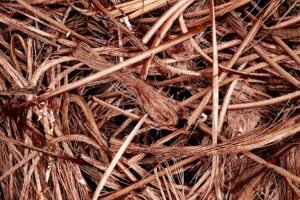
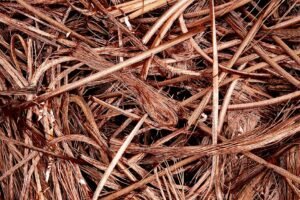
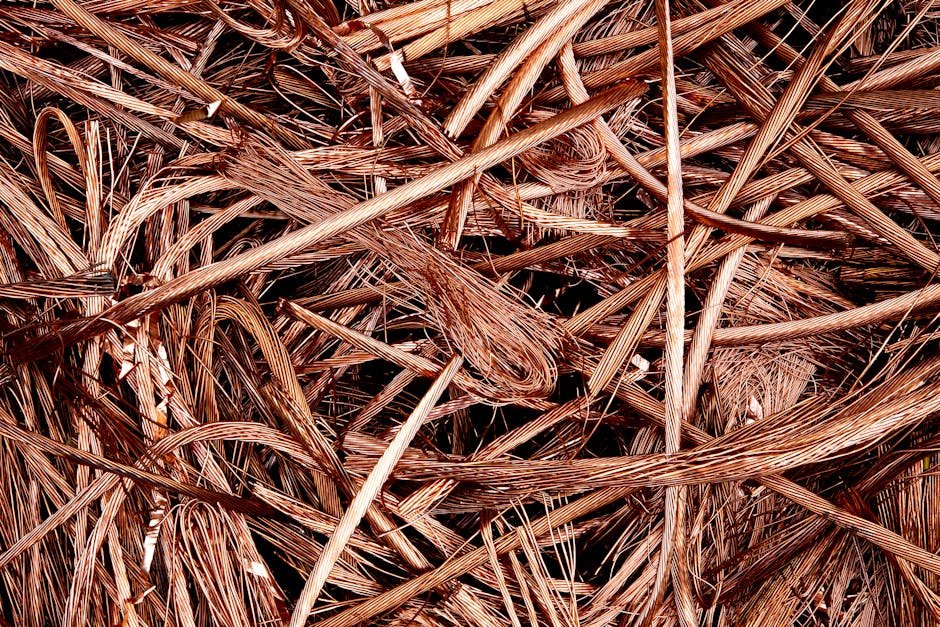
- Bare bright copper – uncoated, unalloyed wire >1 mm, free of oxidation. Usually quoted at 96–98 % of LME.
- No. 1 copper – clean pipe or solids, minimum 98 % Cu, no solder, paint or heavy corrosion.
- No. 2 copper – copper pipe with light solder, enamelled windings or up to 5 % other metal attached, typically 90–92 % of LME.
- Copper wire (plastic coated) – sorted into data, building or high-voltage categories; price quoted after granulation yield estimate.
- Copper chops / meatballs – machine-shredded grade, often generated from radiators or e-waste smelting.
Pro tip: Strip PVC from household 2.5 mm cable and you can jump from “mixed low-grade” to bare bright, doubling the copper price per kg.
3. Current Copper Price Per KG in Australia
Prices move daily with the LME, AUD/USD rate and local yard stock levels. Over 2023 Melbourne and Sydney docks averaged:
- Bare bright: AUD $11.70–$12.40 kg
- No. 1: AUD $11.20–$11.80 kg
- No. 2: AUD $10.40–$11.00 kg
- Insulated copper wire: AUD $4.50–$7.80 kg depending on copper recovery %
Always confirm before delivery; use Scrap Copper Prices Near Me to see live gate rates within 25 km of your suburb.
4. Where to Find Licensed Copper Scrap Buyers
Any dealer holding a second-hand metals licence (state-based) can legally pay cash into your bank or via EFTPOS. Search these channels:
- Online trading portals—scrap.trade lists hundreds of vetted yards and sends you competing quotes.
- Local council waste centres—often host permanent buy-back cabins run by commercial recyclers.
- Mobile bin services—ideal for demolition contractors; bins dropped, filled, weighed and paid within 24 h.
- Specialist cable granulators—if you have 5 t plus of copper wire, granulators pay the premium because they recover plastic as well.
In Sydney’s southwest, copper scrap Bankstown depots offer truck-friendly access and fast container export to Port Botany, keeping margins low for sellers.
5. How the Selling Process Works
Whether you have 20 kg of air-conditioning pipe or 20 t of mined cable, the workflow is identical:
- Quote – Upload photos, weight estimate and postcode to Copper Scrap Group and receive three instant offers.
- Booking – Choose pick-up or delivery, lock in price valid for 24 h.
- Weighing – Public weighbridge ticket or on-site digital scales; ensure tare weight is zeroed.
- Assay – Inspector uses spark-OES gun for solids or wet chemical test for chops; grade stamped on docket.
- Payment – Same-day EFT or cheque; cash is prohibited above AUD 1 000 under federal anti-money-laundering rules.
Keep your seller ID and ticket; you’ll need them for audit trails and to trace any payment delays.
6. Environmental and Economic Benefits of Copper Recycling
Recycling one tonne of copper saves:
- 3.4 t of CO₂-e compared with mining and smelting;
- 1 400 kWh electricity—enough to power the average Aussie home for four months;
- 8 t of rock waste that would otherwise be blasted and stored in tailings dams.
Because recycled copper purity is so high, foundries blend it with cathode to make new wire, busbar and copper pipe without performance loss. That closed loop underpins Australia’s 2030 National Waste Policy targets and creates regional employment—every 10 000 t of copper recycled supports 55 direct jobs in transport, sorting and smelting.
7. Practical Tips to Maximise Returns
- Remove brass fittings from copper pipe; even small valves downgrade the whole load to No. 2.
- Use a cable stripper rather than burning—burnt copper is rejected or downgraded to 85 % pricing.
- Store material under cover; oxidation spots can drop you an entire grade.
- Combine small lots with neighbours or contractors to reach 500 kg+ and trigger tiered price bonuses.
- Monitor the LME after 16:30 AEST when London closes; many yards fix tomorrow’s gate price then.
8. Legal Requirements and Safety
Since 2019 police in NSW, QLD and VIC require mandatory seller ID, proof of ownership and payment via traceable means for all copper traded. Failure to produce can see the yard impound material. Wear gloves and eye protection when handling copper wire—fine strands can pierce skin and PVC smoke is toxic if accidentally overheated.
9. Market Outlook: Is Now a Good Time to Sell?
Citigroup forecasts a 4.2 % Cu supply deficit in 2024 owing to Chilean drought and increased EV demand. Analysts predict LME could test USD 11 000 t, translating to AUD $12.80 kg for bare bright. If you’re holding inventory above 500 kg, stagger sales quarterly to average out volatility. For smaller lots, sell immediately—storage risk and theft generally outweigh potential upside.
10. Choosing Between Online vs Local Dealers
Online brokers such as ScrapTrade.com.au give nationwide reach and transparent feedback ratings, ideal for rural sellers. Traditional local yards pay faster and allow face-to-face negotiation—useful if your load grade is borderline. Hybrid models are emerging: quote online, deliver to a partner yard, get paid within 2 h.
11. Common Mistakes That Cost You Money
- Mixing stainless with number 2 copper—yards apply the lowest common price.
- Accepting first quote without benchmark—check Scrap Copper listings for current spreads.
- Ignoring freight—regional sellers can lose $0.40 kg in fuel if not using back-loading trucks.
- Forgetting GST registration—if you’re a tradie, issue a tax invoice so the yard can claim the credit and pass savings back.
12. Conclusion
Strong global demand, finite ore bodies and Australia’s mature recycling infrastructure make copper scrap an easy win for both sellers and the planet. Identify your grade, strip and store material correctly, compare live quotes on scrap.trade and always deal with licensed copper scrap buyers. Follow the process above and you’ll consistently outperform the average Aussie gate price while keeping CO₂ out of the atmosphere.
Frequently Asked Questions
What is the highest paying copper scrap grade?
Bare bright copper—clean, uncoated wire thicker than 1 mm—commands 96–98 % of the London Metal Exchange Grade-A price, making it the top-paying grade at any licensed yard.
Do I need to strip plastic from copper wire before selling?
Yes. Removing PVC insulation upgrades the load to bare bright and can more than double the price per kg compared with insulated copper wire, easily covering labour if done with an electric stripper.
Is it legal to accept cash for copper scrap in Australia?
Federal anti-money-laundering rules prohibit cash payments above AUD 1 000; reputable copper scrap buyers pay by instant EFT or cheque and require government photo ID plus proof of ownership.
How quickly do copper scrap prices change?
Most yards update their copper price per kg daily after the London Metal Exchange closes at 16:30 AEST, so quotes are typically valid for 24 hours to account for currency and commodity swings.