
Navigating the copper scrap Melbourne market requires a deep understanding of how global commodity fluctuations impact local trade. Whether you are a demolition contractor, an electrician, or a homeowner clearing out a shed, understanding the nuances of metal grades and current market dynamics is essential for ensuring you receive fair compensation for your materials. As one of the most highly sought-after industrial metals, copper is the backbone of modern infrastructure, and recycling it is a cornerstone of sustainable industrial practice in Australia.
Understanding Copper Grades: What Defines Value?
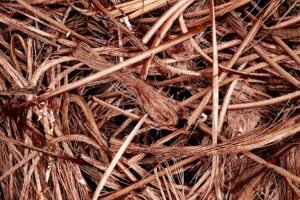
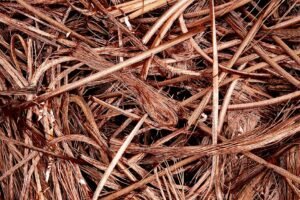
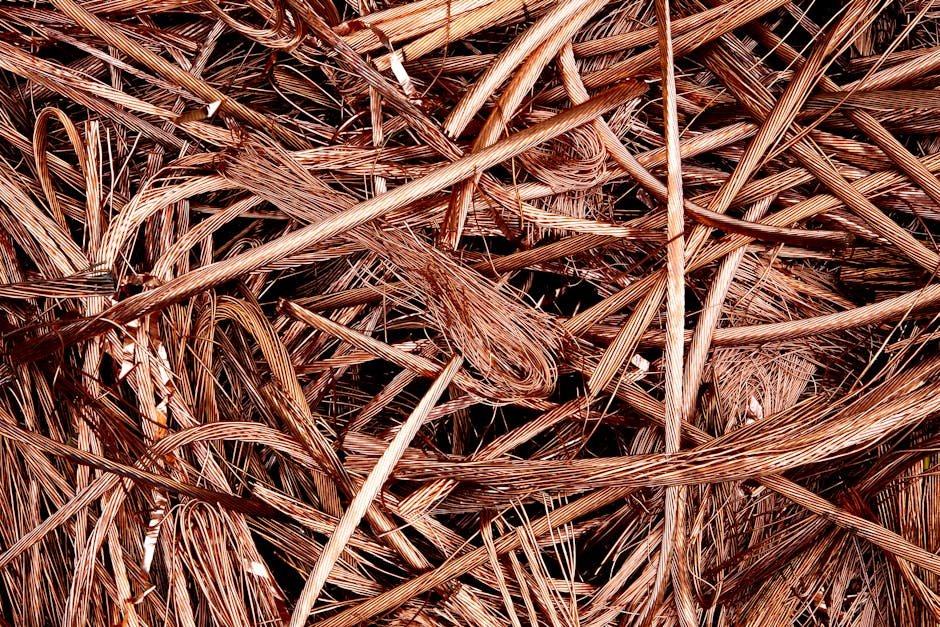
The value of your material is determined by its purity and the level of processing required to refine it. In the industry, we categorize these into specific grades that dictate the copper scrap price melbourne. The highest tier is undoubtedly bare bright copper. This consists of clean, unalloyed, uncoated, and uninsulated copper wire, typically 16 gauge or thicker. It must be free of any paint, varnish, or oxidation to maintain its premium status.
Moving down the scale, we encounter number 2 copper. This grade includes copper that has been lightly oxidized or contains small amounts of solder or other impurities. It is common to find this in older copper pipe installations that have been removed from plumbing systems. While it commands a lower price than bare bright, it remains a high-value commodity in the scrap copper market.
Other grades include:
- Copper Tubing/Busbar: Clean, unalloyed copper, free of fittings or insulation.
- Insulated Copper Wire: This is graded based on the recovery percentage of the copper core. High-yield wire (thick copper, thin plastic) is worth significantly more than data cable or fine-gauge wire.
- Burnt Wire: Often discouraged or rejected by reputable scrap yards due to environmental regulations and the brittleness of the metal, which lowers the quality of the final melt.
Understanding these grades is the first step toward maximizing your returns at a professional scrap metal recycling facility.
The Economics of Copper Recycling in Victoria
The copper scrap Melbourne industry is heavily influenced by the London Metal Exchange (LME). Because copper is a global commodity, the copper price per kg fluctuates daily based on supply chain demands, currency exchange rates, and manufacturing output. For businesses operating in VIC, keeping an eye on these trends is vital for inventory management.
When you look for Scrap Copper Prices Near Me, you are essentially looking at a localized reflection of global trends. Factors such as regional logistics, transport costs, and the specific demand from local refineries play a role in the final price offered at the weighbridge. For those looking for the most accurate data, checking the scrap copper price melbourne regularly allows you to time your sales to coincide with market peaks.
Furthermore, the Copper Scrap Group of stakeholders—which includes manufacturers, demolition firms, and recycling centers—works collectively to ensure that the supply chain remains efficient. By aggregating smaller amounts of scrap into larger, high-quality batches, sellers can often negotiate better rates, as large, clean volumes are easier for refineries to process.
How Copper Recycling Works: From Scrap to Commodity
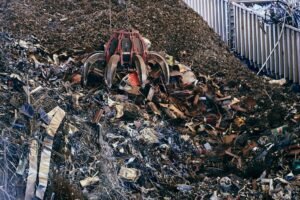
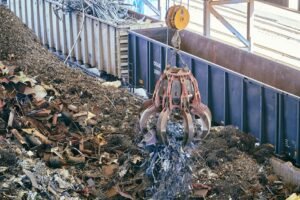
The process of recycling copper is a marvel of industrial efficiency. Once scrap is collected at a local yard in Victoria, it undergoes a rigorous sorting process. Automated machines, including eddy current separators and optical sorters, identify and separate non-ferrous metals from contaminants like plastic, steel, and rubber.
Once sorted, the copper is shredded or granulated. This increases the surface area and removes any remaining insulation or debris. The resulting ‘granules’ are then smelted in high-temperature furnaces. Unlike primary mining, which involves crushing, grinding, and chemical leaching of ore—a process that is both energy-intensive and environmentally destructive—recycling copper requires approximately 85% less energy. This secondary production process creates copper that is chemically identical to virgin metal, meaning it can be recycled indefinitely without losing its structural integrity or conductivity.
This closed-loop system is essential for the Australian economy. By keeping copper within the domestic supply chain, we reduce our reliance on expensive imports and minimize the environmental footprint of our industrial sector. Whether it is copper wire stripped from a commercial building or copper pipe salvaged from a home renovation, every kilogram recycled contributes to a more sustainable future.
Environmental Benefits and Sustainability
The environmental case for recycling is overwhelming. Copper mining is a major contributor to carbon emissions and land degradation globally. By choosing to sell your scrap to a reputable scrap metal trading platform, you are directly participating in a process that preserves natural resources. Recycling one tonne of copper saves approximately 2 tonnes of CO2 emissions and prevents the mining of hundreds of tonnes of raw ore.
In Melbourne, the push toward a circular economy has never been stronger. Local councils and state regulations are increasingly incentivizing businesses to adopt sustainable waste management practices. By diverting copper from landfills, we not only recover valuable metals but also prevent toxic heavy metals from leaching into the soil and groundwater. It is a win-win scenario for both the economy and the environment.
Practical Tips for Sellers
To get the best value for your copper scrap Melbourne, preparation is key. Here are some expert tips:
- Sort your materials: Never mix your grades. Keep your high-quality bare bright wire separate from your plumbing pipes. Mixing them will result in the entire batch being graded at the lowest common denominator.
- Strip the insulation: If you have the time and the right tools, stripping the plastic casing from copper wire can significantly increase your payout. However, ensure you do this safely and don’t burn the plastic, as burnt copper is often penalized.
- Remove attachments: Take off any steel fittings, brass valves, or plastic connectors attached to your copper pipes. These are considered ‘contaminants’ and will reduce the weight-based value of your copper.
- Build a relationship: If you are a contractor, find a consistent yard to work with. Regular suppliers are often given better service and more transparent pricing.
By following these simple steps, you ensure that your materials are ready for immediate processing, which makes you a preferred seller in the eyes of the yard manager.
The Future of Metal Trading in Australia
As technology evolves, so too does the recycling industry. We are seeing a shift toward more sophisticated digital tracking systems that allow for better transparency in the supply chain. This is particularly important for the Copper Scrap Group, as stakeholders demand more accountability regarding the origin of their materials. The integration of digital platforms into the scrap trade is making it easier than ever for the average person to access real-time pricing and locate reputable buyers.
In Victoria, the industrial landscape is changing. With the growth of electric vehicles and renewable energy infrastructure, the demand for high-purity copper is set to skyrocket. Copper is essential for electric motors, charging stations, and grid storage. Consequently, the scrap industry will play an even more critical role in supplying the raw materials needed for this green transition. By recycling today, we are effectively ‘mining’ the scrap yards of the future.
Why Professionalism Matters in Scrap Trading
Not all scrap yards are created equal. When dealing with high-value metals, you want to ensure that you are working with a company that utilizes calibrated, certified scales. Transparency in weighing is the foundation of trust in the scrap copper industry. Furthermore, reputable dealers provide detailed documentation, which is often required for tax and environmental reporting purposes, especially for large-scale demolition projects.
Always verify that the facility is compliant with VIC environmental protection regulations. Proper management of hazardous materials, such as lead-based solder or chemical residues found on industrial copper, is a sign of a responsible operator. When you choose to work with industry leaders, you are not just getting a fair price; you are supporting a safe, ethical, and sustainable industry that upholds the highest standards of Australian business practice.
Conclusion: Maximizing Your Impact
Recycling copper is more than just a way to make extra money; it is an act of environmental stewardship. By understanding the grades, monitoring the market, and preparing your materials correctly, you can ensure that you are getting the best possible return on your scrap. Whether you are a small-scale recycler or a large commercial enterprise, your efforts contribute to a more efficient, sustainable, and profitable metal industry in Melbourne. Start by organizing your scrap, checking current prices, and finding a partner who values quality and transparency as much as you do.
Related: Scrap Copper
Related: Copper Scrap Group
Frequently Asked Questions
What is the difference between bare bright and number 2 copper?
Bare bright copper is clean, uninsulated, and unoxidized wire, making it the highest grade. Number 2 copper includes wire or pipe that has been lightly oxidized or contains minor impurities like solder, resulting in a lower price point.
How often do copper prices change in Melbourne?
Copper prices are tied to global commodity markets and can fluctuate daily. It is recommended to check local scrap prices frequently if you are holding a large volume of material.
Is it worth stripping insulation off copper wire?
Yes, stripping insulation significantly increases the value of your scrap because it removes the weight of the plastic and leaves you with pure copper. However, ensure you use safe tools to avoid damaging the metal or injuring yourself.
Why is burnt copper worth less?
Burning copper wire damages the metal, making it brittle and difficult to recycle properly. Most reputable scrap yards in Victoria will penalize or reject burnt copper because it creates environmental hazards and lowers the quality of the final recycled product.