
Navigating the fluctuating landscape of the copper scrap price per kilo requires a blend of market awareness, knowledge of material grading, and an understanding of global commodity trends. For those looking to turn their scrap into cash, staying informed on current scrap prices is the first step toward maximizing your profit. Whether you are a tradesperson cleaning out a job site or a homeowner with leftover plumbing materials, knowing exactly what your scrap is worth is essential in the Australian market.
Understanding the Global Copper Market
Copper is often referred to as ‘Dr. Copper’ by economists because its price is seen as a barometer for global economic health. When the manufacturing, construction, and electronics sectors are booming, demand for copper surges, driving up the price. Conversely, during economic downturns, demand softens, and prices dip. In Australia, the local market is heavily influenced by the London Metal Exchange (LME). When you look up metal prices today, you are essentially looking at a local reflection of these international commodity exchanges, adjusted for currency exchange rates and local processing demand.
Because copper is a finite resource, it is one of the most recycled materials on the planet. Unlike some other metals that degrade in quality during the recycling process, copper can be melted down and reformed indefinitely without losing its conductive properties. This circular economy is why scrap yards are always eager to purchase high-quality copper. If you are wondering where to take your haul, consider searching for Scrap Copper Near Me Where To Sell Copper Scrap For The Best Price to find reputable facilities that offer fair, transparent pricing based on the current market value.
How Copper Scrap Prices Are Set
The price you receive at the scale is not arbitrary. It is a derivative of the LME spot price, minus the scrap yard’s processing costs, logistics, and profit margin. Several factors influence the final payout:
- Purity and Grade: The cleaner the copper, the higher the price. Contamination, such as solder, insulation, or steel attachments, lowers the value.
- Volume: Larger quantities often command better rates. If you are part of a Copper Scrap Group, you may benefit from collective bargaining or better logistics.
- Local Demand: If a local refinery has a high demand for specific grades, they may offer a premium to secure supply.
- Processing Costs: The cost of stripping insulation from copper cable scrap price impacts the final offer you receive.
For those interested in other materials, it is helpful to compare these rates against other commodities. For instance, checking the Stainless Steel Scrap Price or the current aluminium scrap price per kilo can help you diversify your recycling strategy, ensuring you are getting the best value across your entire scrap inventory.
The Essential Guide to Copper Grades
To get the best copper scrap price per kilo, you must know how to categorize your materials. Yards use specific industry classifications to determine the value of your haul.
Bare Bright Copper
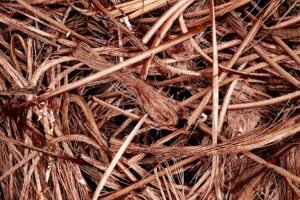
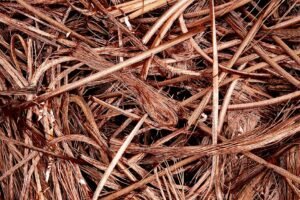
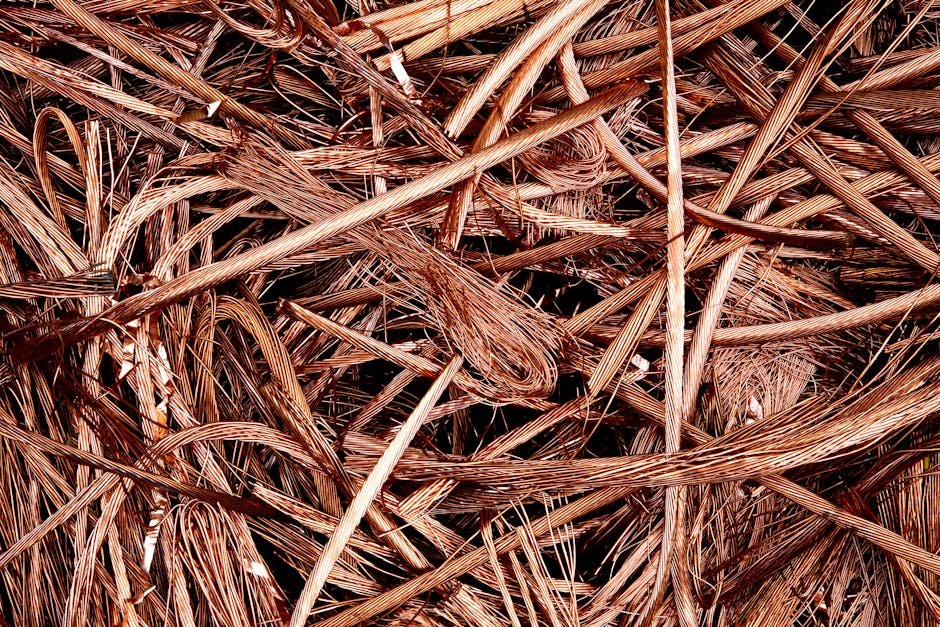
This is the ‘gold standard’ of copper scrap. It consists of unalloyed, uncoated, and uninsulated wire—typically 16-gauge or thicker—that is free of any oxidation or debris. Because it requires minimal processing by the refinery, it commands the highest price per kilogram.
Number 1 Copper
Number 1 copper includes clean, unalloyed copper wire, pipe, or tubing that is free of fittings, solder, or paint. While it may have slight oxidation, it must be clean and free of heavy contamination.
Number 2 Copper
Number 2 copper is the most common grade for general scrap. It includes copper that has been soldered, painted, or contains minor impurities. This category often includes copper pipe that has been cut from plumbing systems where joints and solder remain attached.
Copper Cable and Wire
Copper wire is a massive category. Insulated wire is priced based on its ‘recovery rate’—the percentage of copper metal inside the plastic insulation. Heavy-duty power cables are often priced differently than thin data cables. Always check the current copper cable scrap price before stripping wire, as sometimes the labor cost of stripping outweighs the price difference between insulated and clean copper.
The Environmental Benefits of Copper Recycling
Recycling copper is not just about the money; it is a vital environmental imperative. Mining for virgin copper is an energy-intensive process that involves massive earth displacement, water usage, and chemical leaching. By contrast, recycling copper requires up to 85% less energy than producing it from ore. Every kilogram of copper that is recycled reduces the need for new mining operations, preserves natural landscapes, and lowers the carbon footprint of the manufacturing industry. When you choose to recycle with a reputable scrap metal trading platform, you are actively participating in a sustainable supply chain that supports the future of Australian manufacturing.
Practical Tips for Maximizing Your Scrap Returns
If you want to ensure you are getting the most competitive copper scrap price per kilo, preparation is key. Here are some expert tips:
- Sort and Separate: Never mix your grades. If you mix high-value bare bright copper with lower-value number 2 copper, the yard will likely pay you the lower rate for the entire batch.
- Clean Your Scrap: Remove steel screws, plastic attachments, and excessive solder. A little bit of effort with a hacksaw or a pair of pliers can significantly increase the value of your scrap.
- Monitor the Market: Metal prices today can shift weekly. Use a reliable scrap metal trading service to track trends so you know when to hold onto your scrap and when to sell.
- Build Relationships: If you are a consistent supplier, talk to the yard manager. Regulars who bring in clean, well-sorted material are often treated as preferred clients.
The Recycling Process: From Yard to Refinery
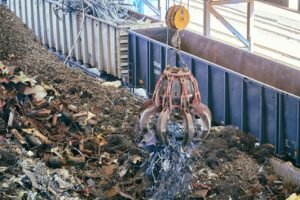
Once you drop off your scrap, the journey is far from over. The recycling facility first weighs your material on certified scales. They then perform a visual inspection to verify the grade. From there, the copper is often baled or shredded. Shredding is particularly common for insulated wire, where a machine strips the plastic, and an air-flow separator separates the light plastic from the heavy copper. The copper is then sent to a furnace, where it is melted into ingots, purified, and eventually rolled into new wire, pipe, or sheets. This seamless transition from waste to raw material is the backbone of the global copper industry.
Safety and Legal Considerations
Working with scrap metal involves inherent risks. Always wear heavy-duty gloves, as copper edges can be razor-sharp. If you are stripping wire, be cautious of blade usage. Furthermore, ensure you are selling to a licensed facility. In Australia, scrap yards are required to keep records of transactions to prevent the trade of stolen goods. Always carry valid identification when visiting a yard, and be prepared to provide details about the origin of your scrap. This transparency helps keep the industry professional and discourages illegal activities.
Future Trends in Copper Demand
The transition toward renewable energy is expected to sustain high copper demand for decades. Electric vehicles (EVs) use significantly more copper than internal combustion engine vehicles, and renewable energy infrastructure like wind turbines and solar arrays rely heavily on copper for conductivity. As the world moves toward electrification, the value of recycled copper will likely remain strong. This long-term outlook makes copper one of the most reliable commodities for scrap collectors and professional traders alike. By staying engaged with the market, you position yourself to benefit from these macroeconomic shifts.
Conclusion
Mastering the art of scrap metal trading requires patience, attention to detail, and a commitment to quality. By understanding how the copper scrap price per kilo is determined, how to properly grade your materials, and the environmental impact of your recycling choices, you can turn a side hustle into a consistent revenue stream. Remember to keep your materials clean, sorted, and ready for the scale. Whether you are dealing with small quantities of copper pipe or large volumes of industrial copper cable, the value is there for those who know how to find it. Use the resources available on our platform to stay updated on the latest market movements and ensure you are always getting the best possible price for your hard work.
Frequently Asked Questions
Does the price of copper change daily?
Yes, copper prices are tied to global commodity markets like the LME and can fluctuate daily or even hourly based on supply, demand, and currency exchange rates.
Should I strip insulation off my copper wire?
It depends. If you have the time and the right tools, stripping wire usually fetches a higher price, but you should compare the value of ‘clean’ copper versus ‘insulated’ copper to ensure the labor is worth the profit increase.
What is the difference between Number 1 and Number 2 copper?
Number 1 copper is clean, unalloyed wire or pipe with no solder or paint. Number 2 copper includes materials that have minor impurities like solder, paint, or oxidation.
How can I find the best scrap yard near me?
You can use online directories or search for ‘scrap copper near me’ to find local yards, then check their reputation, transparency in pricing, and whether they are a licensed facility.