
The copper scrap price today is a critical metric for recyclers, contractors, electricians, and industrial operators across Australia. With copper being one of the most valuable non-ferrous metals in the recycling stream, understanding its current market value per kg—and the factors that influence it—is essential for anyone involved in scrap metal trading. Whether you’re selling copper wire, copper pipe, or insulated cables, the price you receive hinges on purity, global commodity trends, and local market dynamics. This comprehensive guide dives deep into every aspect of copper scrap pricing, from grading standards and recycling processes to environmental impacts and where to get the best return on your material.
What Determines the Copper Scrap Price Today?
The copper scrap price today is not set arbitrarily by scrap yards alone. Instead, it reflects a complex interplay of international commodity markets, supply and demand cycles, and regional economic conditions. At the core of this pricing system is the London Metal Exchange (LME), which sets the benchmark price for refined copper in USD per metric ton. Australian scrap recyclers then adjust this base rate based on the LME’s daily copper metal prices today, currency exchange rates (AUD/USD), freight costs, processing expenses, and domestic demand.
For example, when global manufacturing activity increases—particularly in countries like China, the United States, and Germany—the demand for copper surges. This drives up the LME copper price, which is quickly reflected in higher copper price per kg offers at local scrapyards. Conversely, during economic downturns or industrial slowdowns, the scrap copper price per kg today may dip, even if the physical supply remains constant.
Another key factor is the grade of copper being sold. Not all copper scrap is created equal. Recyclers categorize copper into distinct grades such as bare bright, number 1, number 2, and dirty mixed copper—each commanding a different price point. The cleaner and more conductive the copper, the closer it trades to the LME spot price. Contaminated or insulated materials are discounted due to the added labor and energy required for processing.
In addition, geopolitical events, mining disruptions, and shifts in government policy (such as infrastructure spending or green energy incentives) can all impact the underlying value of copper. For instance, Australia’s growing investment in renewable energy projects—solar farms, wind turbines, and electric vehicle charging networks—has increased domestic demand for copper, supporting stronger scrap prices.
To stay informed on real-time fluctuations, many professionals monitor the scrap copper price per kg today through digital platforms that aggregate data from major recycling facilities and commodity exchanges. These tools help sellers make informed decisions about when and where to sell.
Common Grades of Copper Scrap and Their Market Value
Understanding copper scrap grades is fundamental to maximizing returns. Each grade corresponds to specific physical characteristics, purity levels, and preparation requirements. Here’s a breakdown of the most commonly traded types in Australia:
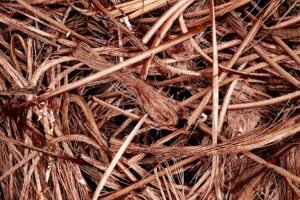
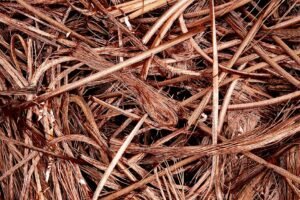
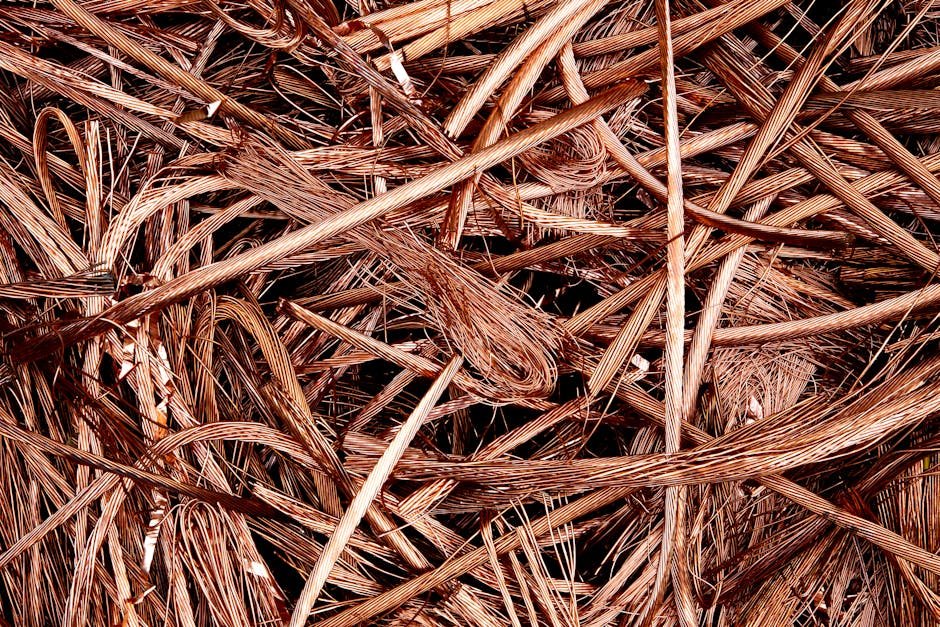
- Bare Bright Copper: This is the highest-grade copper scrap available—clean, uncoated, and free of solder, oxidation, or contamination. Typically sourced from new electrical installations or stripped wiring, bare bright copper exhibits a bright, shiny appearance and conducts electricity efficiently. It often trades at 95–98% of the LME copper price and currently commands between $12.50 and $13.50 per kg, making it the most lucrative option for sellers.
- Number 1 Copper: Slightly less pure than bare bright, this grade includes clean, unalloyed copper tubing or wire that may have minor tarnish or oxidation but no solder, paint, or mechanical attachments. Common sources include air conditioning lines, refrigeration coils, and older plumbing systems. Number 1 copper usually sells for 90–94% of the LME rate, averaging $11.00 to $12.20 per kg depending on market conditions.
- Number 2 Copper: This category includes copper that contains some solder, brass fittings, or light contamination. Examples are old motors, transformers, or mixed lots of copper wire with small attachments. While still valuable, number 2 copper is priced lower—typically 80–88% of the LME benchmark, or around $10.50 to $11.80 per kg. Buyers deduct weight for impurities or charge extra for separation.
- Copper Wire (Insulated): Insulated copper wire—commonly found in electrical cables, appliances, and demolition debris—is generally less valuable unless it has been stripped. Unstripped wire is priced by estimated copper content and can range from $5.00 to $8.50 per kg. However, automated wire stripping machines allow recyclers to recover high-purity copper efficiently, increasing yield and profitability.
- Mixed or Dirty Copper: This refers to copper heavily contaminated with plastic, rubber, steel, or other metals. Often found in obsolete electronics or mixed demolition waste, this grade requires extensive sorting and refining. As a result, it receives the lowest price—sometimes below $8.00 per kg—and is only accepted by specialized recyclers with advanced processing capabilities.
Accurate grading ensures fair pricing and prevents disputes at drop-off. Misrepresenting a lower-grade material as bare bright copper can lead to rejected loads or blacklisting from trusted yards. For detailed guidance on identifying and preparing each type, refer to our dedicated resource on the Copper Scrap Group, which offers visual guides, industry standards, and best practices.
How Copper Recycling Works: From Collection to Refining
Copper recycling is a highly efficient industrial process that preserves the metal’s intrinsic properties while reducing environmental impact. Unlike some materials that degrade during recycling, copper retains nearly 100% of its performance characteristics, making it infinitely recyclable without loss of quality.
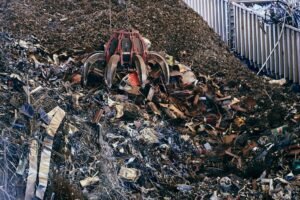
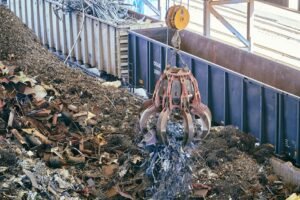
The journey begins with collection. Individuals, contractors, and businesses bring their copper scrap to licensed recycling centers. Upon arrival, materials are weighed and visually inspected to determine grade. Advanced facilities use X-ray fluorescence (XRF) analyzers to verify metal composition and detect alloying elements or contaminants.
Once sorted, the copper undergoes preprocessing. Bare bright and number 1 copper may only require bundling or cutting to size. Insulated wire is fed into granulators or shredders that separate copper from plastic insulation using mechanical and electrostatic methods. Contaminated or mixed loads go through further sorting via magnets (to remove ferrous metals), eddy current separators (for non-ferrous separation), and manual inspection.
After purification, the cleaned copper scrap is melted in electric arc furnaces or induction furnaces at temperatures exceeding 1,085°C—the melting point of copper. During smelting, fluxes are added to remove oxides and impurities, resulting in molten copper that is poured into molds to form ingots, billets, or cathodes.
These refined products are then sold to foundries, manufacturers, and fabricators who use them to produce new electrical wiring, plumbing fittings, industrial machinery, and renewable energy components. According to the International Copper Association, nearly 40% of global copper supply comes from recycled sources—highlighting the critical role of recycling in sustaining production.
In Australia, compliance with environmental regulations is mandatory. Reputable recyclers follow strict protocols to manage emissions, wastewater, and hazardous byproducts. Facilities accredited by the National Environment Protection Council (NEPC) ensure that every stage of copper recycling meets national standards for safety and sustainability.
Environmental and Economic Benefits of Copper Recycling
Recycling copper delivers profound environmental advantages compared to primary extraction. Mining and refining virgin copper ore is energy-intensive, generating significant greenhouse gas emissions, land degradation, and water pollution. In contrast, recycling copper consumes only 10–15% of the energy required to produce new copper from ore.
This dramatic reduction in energy use translates directly into lower carbon emissions. For every tonne of copper recycled, approximately 1.3 tonnes of CO₂ equivalent emissions are avoided. Given Australia’s commitment to net-zero emissions by 2050, scaling up copper recycling supports national climate goals.
Additionally, recycling conserves finite natural resources. While copper is abundant, high-grade deposits are becoming scarcer and more difficult to access. Recycling helps extend the lifespan of existing reserves and reduces reliance on environmentally damaging open-pit mining operations.
From an economic perspective, the copper recycling industry creates jobs in logistics, sorting, processing, and manufacturing. It also stabilizes metal supply chains by providing a domestic source of raw material, insulating Australian industries from global price shocks and shipping delays.
Moreover, because recycled copper performs identically to virgin copper, there is no compromise on quality. Builders, engineers, and electricians can confidently specify recycled copper in construction, HVAC systems, and electrical installations—knowing they are contributing to a circular economy without sacrificing reliability.
For homeowners and small businesses, recycling copper also offers direct financial incentives. By selling scrap responsibly, individuals contribute to sustainability while earning competitive returns—especially when they understand how to prepare materials properly and track the scrap copper price today.
How to Get the Best Price for Your Copper Scrap
Maximizing your return starts with preparation. The cleaner and better-sorted your copper, the higher the price you’ll receive. Here are actionable tips to boost your earnings:
- Sort by Grade: Keep bare bright, number 1, and number 2 copper separate. Mixing grades will result in a lower blended rate.
- Strip Insulation: If you have access to a wire stripper, remove plastic coating from copper wire. Stripped wire sells for significantly more than insulated.
- Remove Contaminants: Cut off steel bolts, brass fittings, or soldered joints before selling number 2 copper. Even small amounts of foreign material can reduce your payout.
- Shop Around: Prices vary between scrapyards. Use online tools to compare the copper price per kg offered locally. Some facilities update their rates daily based on current scrap prices.
- Time Your Sale: Monitor global copper trends. Selling during periods of high industrial demand or positive economic news can yield better returns.
- Use Certified Buyers: Choose recyclers registered with the Australian Council of Recycling (ACOR) or accredited by state environmental agencies. They offer transparent pricing and legal documentation.
One of the most effective ways to find top-paying buyers near you is to use location-based search tools. For instance, visiting Scrap Copper Near Me Where To Sell Copper Scrap For The Best Price allows you to locate verified recyclers, check their latest copper scrap price today, and read customer reviews—all in one place.
Additionally, some platforms offer price alerts and market reports to keep you informed. Staying updated helps you avoid underpricing your material and ensures you’re always aware of shifts in metal prices today.
Regional Variations in Copper Scrap Prices Across Australia
Copper scrap prices can differ significantly between states and even suburbs. Major metropolitan areas like Sydney, Melbourne, and Brisbane often have more competitive pricing due to higher demand from manufacturers and export channels. Regional centers may offer slightly lower rates due to transportation costs and fewer processing facilities.
For example, as of Q2 2025, bare bright copper averages $13.20/kg in Perth—driven by strong mining sector demand—while the same grade sells for $12.60/kg in Adelaide. These regional disparities highlight the importance of shopping locally and comparing real-time quotes.
Exchange rates also play a role. Since copper is traded globally in USD, a weaker Australian dollar increases the local value of exported scrap, pushing up domestic prices. Conversely, a strong AUD can suppress buyer offers.
Seasonality affects availability too. Construction and demolition activity peaks in spring and summer, increasing the supply of copper pipe and wiring. During these months, recyclers may tighten margins slightly due to oversupply. Winter months, though quieter, can sometimes offer better prices if demand remains steady.
For those looking beyond copper, it’s worth noting that other non-ferrous metals like aluminum, brass, and Stainless Steel Scrap Price trends can influence overall yard pricing strategies. Some recyclers bundle incentives for mixed non-ferrous loads, improving overall return.
Future Outlook for Copper Scrap Markets in Australia
The long-term outlook for copper scrap remains exceptionally strong. Global demand is projected to double by 2040, driven by electrification, renewable energy infrastructure, and the expansion of 5G and data networks. Australia is well-positioned to capitalize on this trend through improved recycling infrastructure and policy support.
Emerging technologies such as AI-powered sorting systems, blockchain traceability, and automated pricing platforms are transforming the scrap industry. These innovations increase transparency, reduce fraud, and streamline transactions—benefiting both buyers and sellers.
Government initiatives, including extended producer responsibility (EPR) schemes and green procurement policies, are also expected to boost formal recycling rates. Already, cities like Melbourne and Sydney have implemented e-waste recycling programs that capture significant volumes of copper from discarded electronics.
For individual recyclers, staying informed is key. Platforms like Scrap.Trade provide real-time updates on copper scrap price today, market analysis, and educational resources to help navigate the evolving landscape. Similarly, Scrap Trade Australia offers industry insights, compliance guidance, and networking opportunities for professionals in the sector.
As the circular economy gains momentum, copper recycling will play an increasingly central role in sustainable development. Those who understand the market dynamics, prepare their materials correctly, and leverage digital tools will be best positioned to benefit financially and environmentally.
Conclusion: Make Informed Decisions with Real-Time Data
The copper scrap price today is more than just a number—it’s a reflection of global markets, local conditions, and environmental progress. Whether you’re disposing of copper wire from a renovation project or managing industrial scrap from a large-scale operation, knowing how prices are set and what factors influence them empowers you to make smarter decisions.
By understanding the different grades of copper, preparing materials properly, and choosing reputable buyers, you can maximize your returns while supporting a greener future. Keep track of current scrap prices and leverage tools that provide accurate, up-to-date information on the scrap copper price per kg today.
Recycling copper isn’t just economically rewarding—it’s a vital component of resource conservation and climate action. As demand continues to rise, the value of responsibly sourced scrap will only increase. Stay informed, recycle wisely, and take advantage of the opportunities in Australia’s growing recycling economy.
Frequently Asked Questions
What is the current copper scrap price today in Australia?
As of mid-2025, the copper scrap price today in Australia ranges from $10.50 to $13.50 per kg, depending on the grade. Bare bright copper fetches the highest rate, while insulated or mixed copper is priced lower due to processing requirements.
How often do copper scrap prices change?
Copper scrap prices can fluctuate daily based on global metal prices today, exchange rates, and local demand. Most recyclers update their rates weekly or even more frequently during periods of high volatility in the commodities market.
Where can I sell copper scrap for the best price?
To get the best price, compare offers from multiple licensed recyclers in your area. Use tools like Scrap Copper Near Me Where To Sell Copper Scrap For The Best Price to find top-paying buyers nearby.
Is recycled copper as good as new copper?
Yes, recycled copper retains nearly 100% of its conductivity and strength. It is indistinguishable from virgin copper in performance and is widely used in electrical, plumbing, and industrial applications across Australia.