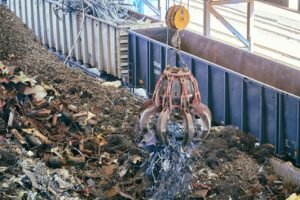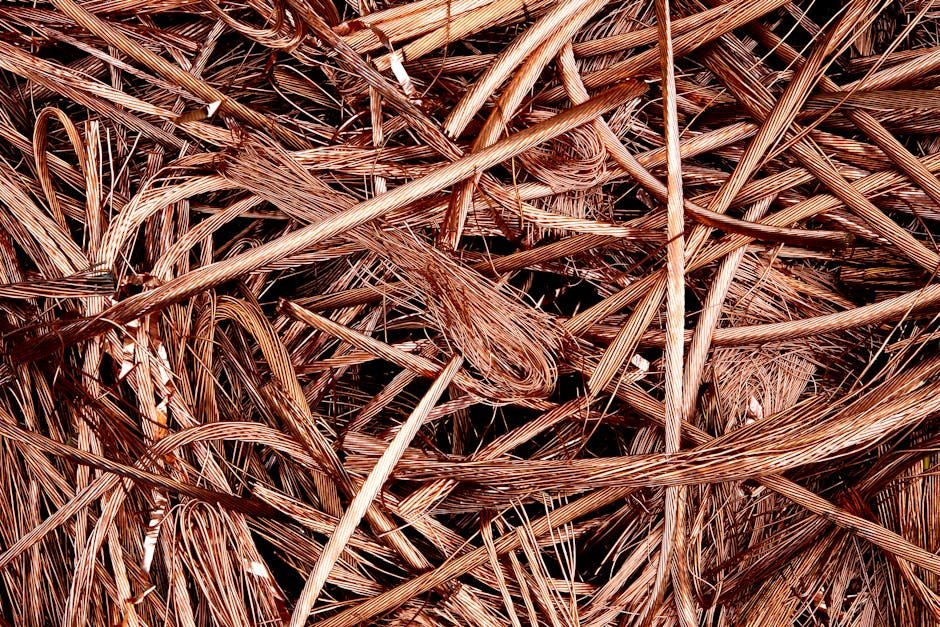

The phrase copper scrap prices near me is increasingly searched by Australians looking to recycle copper from construction, electrical, and household sources. With rising demand for recycled metals and tightening environmental regulations, understanding the current scrap prices for copper is essential for individuals, tradespeople, and industrial operators alike. Whether you’re a homeowner clearing out old wiring or a contractor managing demolition debris, knowing how copper is priced, what factors influence its value, and where to get the best return can significantly impact your bottom line. This comprehensive guide dives deep into every aspect of copper scrap valuation in Australia, offering expert-level insight into pricing mechanisms, scrap grades, recycling processes, and the environmental imperative behind metal recovery.
Understanding Current Copper Scrap Prices in Australia
When searching for copper scrap prices near me, it’s crucial to recognize that there is no single national rate. Prices fluctuate daily and are influenced by location, global commodity markets, and local supply and demand dynamics. As of 2024, the average copper price per kg in Australia ranges from $6.50 to $12.50, depending on the grade of copper being sold. High-purity copper, such as bare bright copper, commands the highest rates, while lower-grade materials like insulated wire or contaminated pipe fetch less.
These current scrap prices are determined by both international benchmarks and domestic conditions. The London Metal Exchange (LME) sets the global benchmark for copper, which directly affects what recyclers in Australia can charge or pay. However, local scrap yards adjust their buying rates based on transportation costs, processing capabilities, and inventory levels. For instance, a scrap dealer in Perth may offer different rates than one in Sydney due to logistics and regional market saturation.
To stay informed about real-time fluctuations, many Australians use online platforms that track scrap metal prices daily. These tools aggregate data from certified recyclers and provide transparent, up-to-date insights. One such resource is the Scrap Metal Prices page on Scrap.Trade, which offers a detailed breakdown of regional pricing trends across Australia. By leveraging these tools, sellers can ensure they’re receiving fair market value rather than accepting lowball offers from unscrupulous buyers.
It’s also important to note that prices are typically quoted in AUD per kilogram, making it easy to compare values across different materials. For example, while copper consistently ranks among the most valuable non-ferrous metals, it still competes with aluminium, brass, and stainless steel in terms of return. However, due to its high conductivity and widespread industrial use, copper remains a top target for recyclers and thieves alike—highlighting the importance of secure storage and verified sales channels.
How Copper Scrap Prices Are Set: The Pricing Mechanism
The process of setting copper scrap prices near me involves multiple layers, from global commodity trading to local yard assessments. At the highest level, the price of copper is tied to the LME, where futures contracts are bought and sold based on projected supply and demand. When industrial activity increases globally—especially in manufacturing hubs like China—demand for copper rises, pushing prices upward. Conversely, economic slowdowns or oversupply can depress values.
Once the global benchmark is established, Australian recyclers apply a percentage—typically 85% to 95%—of the LME spot price to determine what they will pay for scrap. This discount accounts for refining costs, labor, overhead, and profit margins. For example, if the LME price for copper is $9,000 per tonne ($9.00/kg), a recycler offering 90% would pay $8.10 per kg for clean, high-grade copper.
Local factors also play a significant role. Urban centers with higher volumes of construction and demolition generate more scrap, increasing competition among recyclers and potentially driving up prices. In contrast, rural areas may have fewer buyers, leading to lower rates. Additionally, fuel costs, labor shortages, and regulatory compliance (such as environmental licensing) can affect a facility’s ability to pay top dollar.
Seasonality also influences pricing. Late summer and early autumn often see spikes in copper scrap volume due to renovation projects and infrastructure upgrades. During these periods, recyclers may temporarily reduce prices due to oversupply, while leaner months might see slightly higher rates to encourage inflow.
Transparency is key. Reputable recycling facilities publish their scrap prices online or display them prominently at their sites. Platforms like Scrap Prices compile this data in real time, enabling consumers to compare rates across multiple locations. This level of visibility empowers sellers to make informed decisions and avoid underpayment.
Key Factors Affecting Copper Scrap Value
Several variables influence the final copper price per kg received by sellers. Understanding these factors allows for better preparation and maximized returns when recycling copper.
- Grade and Purity: The single most important factor is the grade of copper. Higher grades like bare bright copper contain minimal impurities and are immediately usable in refining, commanding premium rates. Lower grades with insulation, oxidation, or mixed metals are harder to process and therefore worth less.
- Market Demand: Global industrial demand—particularly from electric vehicle (EV) manufacturers, renewable energy projects, and telecommunications—drives copper consumption. Increased demand leads to higher prices, while downturns in key sectors can suppress values.
- Global Metal Prices Today: Real-time shifts in metal prices today affect local scrap rates. Traders monitor financial news and commodities reports to anticipate changes, so staying informed helps time your sale for optimal return.
- Volume and Consistency: Large, consistent deliveries of clean scrap often attract premium pricing through negotiated contracts. Smaller, sporadic drop-offs may be subject to standard walk-in rates, which can be lower.
- Location and Accessibility: Proximity to major recycling hubs reduces transport costs, improving net returns. Remote sellers may face deductions or reduced rates due to delivery challenges.
- Processing Capabilities: Some yards can process insulated wire using granulators or shearing lines, allowing them to offer better rates for #1 and #2 copper wire. Others may only accept stripped copper, limiting options for unprocessed material.
Another critical factor is fraud prevention. Due to copper’s high value, some unlicensed operators may under-weigh loads or misclassify materials. Always use licensed recyclers who provide transparent weighing procedures and itemized receipts. The Australian Recyclers Association maintains a list of certified facilities, ensuring compliance with ethical and environmental standards.
Common Grades of Copper Scrap and Their Market Value
Not all copper is created equal. The recycling industry categorizes copper into distinct grades, each with its own price point based on purity, form, and ease of processing. Knowing these grades helps sellers sort materials correctly and avoid downgrading.
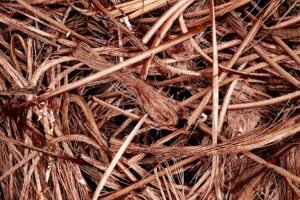
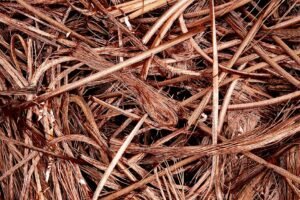
Bare Bright Copper is the highest grade. It refers to clean, uncoated, oxygen-free copper wire or rod with no tarnish, solder, or attachments. Often sourced from new electrical installations or industrial offcuts, bare bright copper typically sells for $11–$12.50 per kg. To qualify, the metal must be bright, shiny, and free from any contamination.
#1 Copper includes clean, unalloyed copper that may have slight oxidation or tarnish. This category covers clean copper pipe, bus bars, and thick wire with minimal surface discoloration. It generally fetches $9.50–$11.00 per kg. Unlike bare bright, it doesn’t need to be shiny but must be free from solder, paint, or plastic.
#2 Copper is slightly lower in value, priced between $8.00 and $9.50 per kg. It includes copper that has solder, brass fittings, or minor contamination. Examples include plumbing fixtures with brass valves, wire with small amounts of insulation, or oxidized pipe. While still valuable, it requires more refining effort, hence the reduced rate.
Copper Wire (Insulated) is categorized separately. Light gauge insulated wire (e.g., household wiring) sells for $4.50–$6.50 per kg, depending on copper content and ease of stripping. Heavy gauge insulated cable may fetch higher rates, especially if stripped on-site. Some recyclers prefer to process this themselves to maximize recovery.
Brass Mixed with Copper or Dirty Copper—such as radiators, mixed piping, or contaminated offcuts—falls into lower tiers. These are often priced by the unit or at a blended rate below $7.00 per kg. Proper sorting before delivery can significantly improve returns.
Accurate sorting not only increases profitability but also supports efficient recycling. Facilities that receive well-separated loads can process faster and pass on savings. For those unsure about classification, tools like the scrap copper prices guide provide visual references and detailed descriptions to help identify each grade correctly.
The Copper Recycling Process: From Scrap to Reuse
Copper recycling is a highly efficient industrial process that preserves the metal’s properties while reducing energy consumption and environmental impact. Over 40% of global copper supply comes from recycled sources, a figure that continues to grow as sustainability becomes a priority.
The journey begins when scrap is delivered to a certified recycling facility. Upon arrival, materials are weighed and inspected to verify grade and composition. This step ensures accurate pricing and prevents contamination of processing lines.
Next, sorting occurs—either manually or via automated systems like eddy current separators and magnetic sorting. Copper is separated from ferrous metals, plastics, and other non-metallics. High-grade copper like bare bright copper may go directly to baling, while mixed or insulated materials proceed to further processing.
Insulated copper wire undergoes granulation or shearing to remove plastic coating. The resulting copper granules are then cleaned and dried. Contaminants like insulation, rubber, or dirt are removed through air classification and screening.
The purified copper is then melted in a furnace at approximately 1,085°C—the melting point of copper. During this stage, any remaining impurities rise to the surface as slag and are skimmed off. The molten copper is poured into molds to form billets, ingots, or cathodes, ready for shipment to manufacturing plants.
One of the remarkable aspects of copper is that it can be recycled indefinitely without losing quality. Recycled copper performs identically to virgin copper in electrical wiring, plumbing, and industrial applications. This closed-loop system reduces reliance on mining and conserves natural resources.
For those interested in the technical details, the Scrap Trade Australia platform offers in-depth resources on industrial recycling methods and compliance standards. Meanwhile, individuals seeking local drop-off points can use the scrap copper prices near me locator tool to find certified recyclers in their vicinity.
Environmental and Economic Benefits of Copper Recycling
Recycling copper delivers substantial environmental advantages. Mining and refining virgin copper is energy-intensive, requiring the extraction and processing of up to 200 tonnes of ore to produce one tonne of pure copper. In contrast, recycling uses only about 10–15% of the energy needed for primary production.
This energy saving translates into lower greenhouse gas emissions. According to the International Copper Association, recycling one tonne of copper prevents approximately 2.5 tonnes of CO₂ emissions. With Australia committed to net-zero emissions by 2050, expanding copper recycling is a critical strategy for reducing industrial carbon footprints.
Additionally, recycling reduces the need for land disturbance associated with mining. Open-pit copper mines can span hundreds of hectares and disrupt ecosystems. By reusing existing metal, we preserve natural landscapes and biodiversity.
From an economic perspective, the scrap copper industry supports thousands of jobs across Australia—from collection and sorting to transportation and refining. It also contributes to national resource security by reducing dependence on imported raw materials.
Moreover, copper’s role in green technologies—such as solar panels, wind turbines, and EV charging infrastructure—makes recycling essential for scaling sustainable development. As demand for clean energy solutions grows, so too will the need for reliable, high-quality recycled copper.
For communities, promoting copper recycling fosters circular economy principles. Local governments and industry groups are increasingly running awareness campaigns to educate the public on proper disposal methods and the value of scrap metal. Initiatives like Scrap Copper Prices Near Me help bridge the information gap, connecting households and businesses with transparent, ethical recycling options.
Practical Tips for Maximizing Your Copper Scrap Returns
To get the best possible value when selling copper scrap, follow these expert-recommended practices:
- Sort by Grade: Separate bare bright, #1, and #2 copper before delivery. Mixing grades results in downgrading and lower payouts.
- Remove Contaminants: Strip insulation from wire, detach brass fittings from pipes, and eliminate any non-copper materials. Even small amounts of contamination can reduce your entire load’s value.
- Check Local Rates Daily: Use platforms like Scrap Prices to compare current scrap prices across nearby yards. Rates can vary by $1–$2 per kg between locations.
- Deliver in Bulk: Larger loads reduce handling costs per kg, often qualifying for better rates. Consider partnering with neighbors or contractors to consolidate materials.
- Use Licensed Recyclers: Always verify the credentials of the recycling facility. Licensed operators comply with environmental regulations and provide fair, transparent transactions.
- Keep Records: Maintain invoices and weigh tickets for tax or business reporting purposes, especially if recycling as part of a trade or demolition project.
Timing your sale can also make a difference. Monitor global metal prices today and aim to sell during market upticks. Financial news outlets and commodities dashboards often signal upcoming trends based on manufacturing data, interest rates, and geopolitical events.
Finally, never store large quantities of copper scrap in insecure locations. Due to its value, copper is a frequent target for theft. Use locked containers and document inventory to prevent losses.
Conclusion: Make Informed Choices About Copper Scrap Recycling
Understanding copper scrap prices near me is more than just knowing today’s rate per kilogram—it’s about recognizing the broader ecosystem of supply, demand, processing, and sustainability. From identifying bare bright copper to navigating scrap copper prices fluctuations, informed sellers achieve better returns and contribute to environmental conservation.
The Australian recycling industry continues to evolve, with greater transparency, technological innovation, and regulatory oversight improving trust and efficiency. Whether you’re involved in construction, electrical work, or home renovation, recycling copper responsibly benefits both your wallet and the planet.
For real-time updates, use the Scrap Metal Prices dashboard and explore related guides to stay ahead of market trends. By making smart, ethical choices, you play a vital role in building a sustainable, circular economy powered by recycled copper.
Frequently Asked Questions
What is the current copper price per kg in Australia?
As of 2024, the copper price per kg ranges from $6.50 for insulated wire to $12.50 for bare bright copper, depending on grade and regional demand. Prices fluctuate based on global markets and local recycling capacity.
How can I find scrap copper prices near me?
You can find scrap copper prices near me by using online tools like the scrap copper prices near me locator, which provides real-time rates from certified recyclers across Australia.
What is the difference between #1 and #2 copper?
#1 copper is clean, unalloyed copper with minimal oxidation, while #2 copper may contain solder, brass fittings, or surface contamination. #1 typically fetches $9.50–$11.00/kg, compared to $8.00–$9.50/kg for #2.
Why is copper recycling environmentally beneficial?
Copper recycling uses 85–90% less energy than mining virgin copper and prevents up to 2.5 tonnes of CO₂ emissions per tonne recycled. It also reduces habitat destruction and supports sustainable resource use.