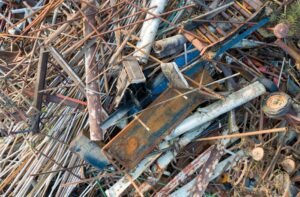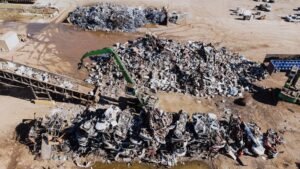

When searching for copper scrap Strathfield solutions, it is essential to understand that the local recycling landscape is driven by global commodity markets and the need for sustainable industrial practices. As one of the most conductive and versatile metals on the planet, copper is a cornerstone of the Australian infrastructure, from the wiring in our homes to the plumbing systems beneath our streets. For residents and tradespeople in the Inner West, managing copper scrap Strathfield effectively isn’t just about clearing out a worksite; it is about participating in a circular economy that preserves natural resources. Whether you are a demolition contractor or a homeowner clearing a renovation site, knowing how to categorize your materials can significantly impact your financial return and environmental footprint.
Understanding Copper Grades: What Do You Have?
The value of your metal depends entirely on its purity and condition. To maximize your profit, you must distinguish between the various grades of copper. The industry standard differentiates between several key categories:
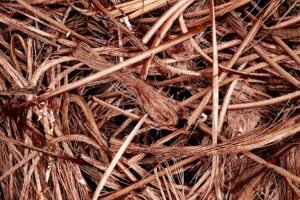
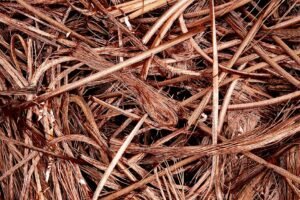
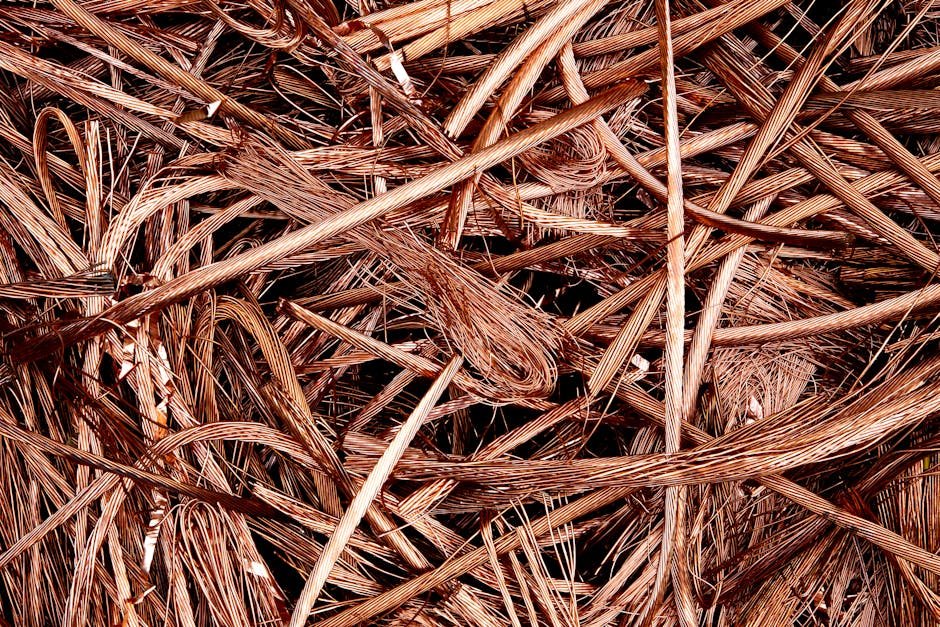
- Bare Bright Copper: This is the gold standard. It consists of unalloyed, uncoated, and uninsulated copper wire that is clean and free of any oxidation or debris. Because it requires minimal processing, it commands the highest copper price per kg.
- Number 1 Copper: This typically includes clean copper pipe or busbars that are free of solder, paint, or other contaminants. While slightly less valuable than bare bright, it remains a premium grade.
- Number 2 Copper: This category encompasses copper that is slightly oxidized or contains minor impurities, such as light solder joints or paint. It is common in older plumbing systems.
- Insulated Copper Wire: This is copper wire still encased in its plastic or rubber sheath. The value here is determined by the “recovery rate”—the percentage of actual copper contained within the insulation.
For those managing large volumes, joining a Copper Scrap Group can provide insights into how to sort these materials efficiently. Proper sorting ensures that you are not penalized for contamination, which is the most common reason for lower payouts at recycling centers.
The Copper Recycling Process: From Site to Smelter
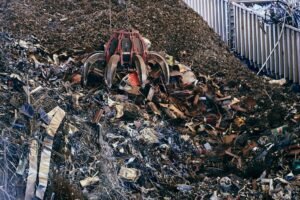
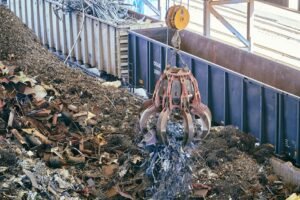
The journey of your metal from a Strathfield construction site to a new product is a multi-step industrial process. Once you have identified your copper scrap Strathfield, the material is collected and transported to a processing facility. The first phase is sorting, where advanced technology like X-ray fluorescence (XRF) analyzers or simple magnetic separation is used to remove ferrous contaminants.
Following sorting, the copper is shredded or granulated to reduce its volume and facilitate further cleaning. If the material is insulated wire, it undergoes a granulation process where the plastic coating is removed, leaving behind clean, high-purity copper granules. These granules are then melted in furnaces to create copper ingots or billets. These refined products are then sold to manufacturers to create new electrical components, plumbing pipes, or even architectural materials. By choosing to use a professional service, such as the strathfield scrap copper pick up, you ensure that your materials enter this high-efficiency supply chain rather than ending up in a landfill.
Environmental Benefits: Why Recycling Matters
Copper is a 100% recyclable material, meaning it can be melted down and reformed indefinitely without losing its chemical or physical properties. This makes it a vital component of the global effort to reduce greenhouse gas emissions. The energy required to recycle copper is significantly lower—often 85% less—than the energy required to mine, crush, and refine virgin copper ore. By participating in scrap copper recycling strathfield, you are directly contributing to the reduction of mining-related land degradation and water pollution.
Furthermore, recycling supports local job creation and reduces the reliance on importing raw materials. When you sell your metal to a reputable Scrap Copper buyer, you are supporting a sustainable infrastructure that keeps our local environment cleaner. The cumulative effect of individual recycling efforts in suburbs like Strathfield is substantial, helping to lower the overall carbon intensity of Australia’s construction and manufacturing sectors.
Maximizing Your Returns: Practical Tips for Sellers
If you are looking to get the best value for your scrap, preparation is key. First, keep your copper dry and protected from the elements. Oxidation (the green tarnish) can downgrade your material from Number 1 to Number 2. Second, strip your wire if you have the tools and time; while insulated wire is valuable, clean, bright copper wire will always fetch a higher price per kilogram. Third, keep your grades separate. Mixing high-grade bare bright copper with lower-grade insulated wire will often result in the entire batch being valued at the lowest common denominator.
Always check the current Scrap Copper Prices Near Me before you head to the yard. Market volatility is common, and prices can fluctuate based on the London Metal Exchange (LME) rates and local currency strength. Using a trusted platform like Scrap Trade Australia can help you track these trends and find reliable partners. For those dealing with large quantities of demolition waste, consider scheduling a professional collection to avoid the logistical headache of transport.
The Role of Infrastructure and Urban Mining
Strathfield, like many parts of Sydney, is undergoing constant development. This urban renewal creates a massive supply of secondary raw materials. “Urban mining” is the concept of treating our cities as mines, where the buildings and infrastructure we dismantle become the source of our future materials. By reclaiming copper from old wiring and piping during renovations, we are effectively reducing the need for new mining operations in remote areas.
This is why local recycling hubs are so important. They act as the bridge between the end-of-life of a product and its rebirth. When you engage with a professional service for scrap copper recycling strathfield, you are not just getting rid of waste; you are contributing to a sophisticated supply chain that keeps the Australian economy moving. It is a win-win for the individual, the industry, and the planet. For more information on how to manage your industrial waste effectively, visit Scrap Trade for industry-leading resources.
Safety and Legal Considerations
Working with scrap metal involves inherent risks. Always wear protective gloves and eyewear when handling copper, especially when cutting cables or pipes, as edges can be razor-sharp. If you are stripping insulation, ensure you are in a well-ventilated area to avoid inhaling any dust or fumes. Additionally, be aware of local council regulations regarding the storage of industrial waste. Large piles of metal left in the open can attract unwanted attention and may violate local zoning or safety ordinances.
When choosing a scrap yard, ensure they are licensed and follow environmental regulations. A legitimate operator will provide you with a fair assessment of your material and will have clear protocols for the safe handling of hazardous components, such as lead-based solder or contaminated insulation. By working with professionals, you ensure that your scrap is handled ethically and legally.
The Future of Copper in the Green Economy
As the world transitions toward renewable energy, the demand for copper is set to skyrocket. Electric vehicles (EVs) require significantly more copper than internal combustion engine vehicles, and renewable energy infrastructure like wind turbines and solar panels are incredibly copper-intensive. This surge in demand makes every kilogram of recycled copper more valuable than ever. By recycling your copper today, you are helping to build the infrastructure of tomorrow.
The shift toward a green economy is not just a trend; it is a fundamental restructuring of how we use resources. Copper is at the heart of this transition. As we move away from fossil fuels, the ability to recover and reuse existing copper will become a critical strategic advantage for Australia. Whether you are a small-scale recycler or a large construction firm, your contribution to the recycling loop is a vital part of this global shift.
Conclusion: Taking Action Today
Recycling your copper is a simple yet impactful action. From identifying the right grades to understanding the environmental benefits, being an informed seller allows you to maximize your returns while contributing to a sustainable future. Remember that the market for scrap metal is dynamic, and staying updated with the latest price trends and recycling techniques is the best way to ensure you get the most out of your efforts. Whether you are looking for a quick drop-off or a scheduled pick-up, the infrastructure is in place to help you manage your materials responsibly. Start by sorting your scrap today and see the difference it makes for your wallet and the environment.
Frequently Asked Questions
What is the most valuable type of copper scrap?
The most valuable type is ‘bare bright’ copper, which is unalloyed, uncoated, and uninsulated copper wire that is clean and free of oxidation.
How does oxidation affect the value of my copper?
Oxidation, which appears as a green or dark tarnish, reduces the purity of the metal. This often causes the material to be downgraded from a premium grade to a lower grade, such as number 2 copper, resulting in a lower payout.
Why is recycling copper better than mining new ore?
Recycling copper uses up to 85% less energy than extracting and refining virgin ore. It also significantly reduces the environmental impact of mining, such as land degradation and water pollution.
How can I get the best price for my copper scrap?
To get the best price, ensure your copper is clean, free of contaminants like solder or paint, and sorted by grade. Also, monitor current market prices and choose a reputable recycler that offers transparent weighing and pricing.