
Navigating the volatile landscape of the copper wire scrap price requires more than just a passing interest in commodities; it demands an understanding of global economic trends, local market dynamics, and the specific grading standards that define the value of your haul. Whether you are a trade professional clearing a job site or a DIY enthusiast managing a home renovation, knowing how to value your materials is the difference between a modest payout and a significant profit.
Understanding the Global Copper Market Dynamics
The copper market is a barometer for the global economy. Often referred to as “Dr. Copper” by market analysts, the metal’s price is highly sensitive to industrial demand, infrastructure spending, and the transition toward green energy. Because copper is essential for electrical conductivity, it is a primary component in everything from household appliances to high-voltage power grids.
When you research the scrap copper price per kg today, you are essentially looking at a localized reflection of the London Metal Exchange (LME) or the COMEX copper futures. These exchanges set the benchmark price for raw, refined copper. However, as a recycler, the price you receive at the yard is the “scrap price,” which is the LME price minus the costs of processing, logistics, and the scrap yard’s profit margin.
Factors that influence these daily fluctuations include:
- Global Supply Chain Health: Mining output from major producers like Chile and Peru significantly impacts availability.
- Currency Exchange Rates: Since copper is traded in USD, a strong Australian Dollar can sometimes lower the local price, while a weaker AUD can increase the payout for local sellers.
- Industrial Demand: Large-scale construction projects and the manufacturing of electric vehicles (EVs) create consistent demand that keeps the price of scrap copper competitive.
- Geopolitical Stability: Trade wars or conflicts in resource-rich regions can cause sudden price spikes due to fears of supply shortages.
The Hierarchy of Copper Grades: How to Maximize Returns
Not all copper is created equal. To get the best price, you must understand how yards categorize your materials. The purity of the metal is the single biggest factor in determining the value.
1. Bare Bright Copper
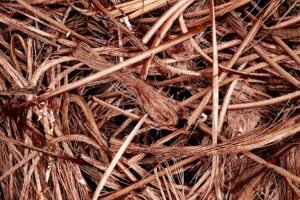
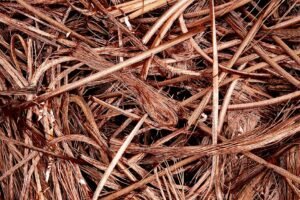
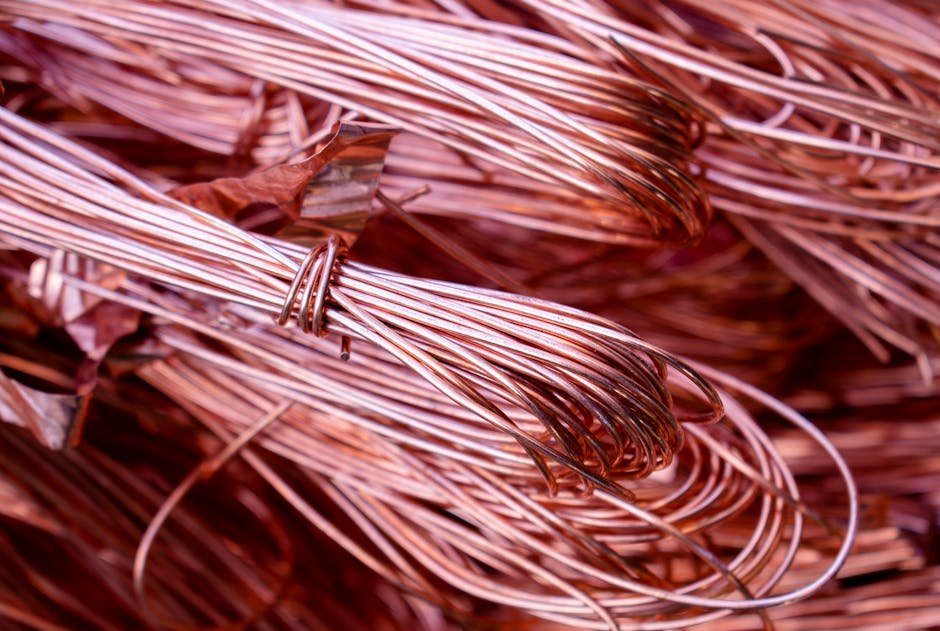
This is the gold standard of the scrap industry. It consists of unalloyed, uncoated, and uninsulated copper wire, typically 16 gauge or thicker. It must be free of any oxidation, paint, or solder. Because it is essentially pure copper, it requires the least amount of processing by the refinery, making it the most valuable grade.
2. Number 1 Copper
This grade includes clean, unalloyed wire and pipe that may have slight oxidation but is free of non-copper attachments. It is slightly less valuable than bare bright but still commands a premium price.
3. Number 2 Copper
This is where most common scrap falls. Number 2 copper includes wire that has been painted or has light oxidation, as well as copper pipe that contains solder, brass fittings, or other impurities. It requires more effort to clean and refine, which is reflected in the lower price per kilogram.
4. Insulated Wire and Cable Scrap
Insulated wire is categorized by its “recovery rate.” This refers to the percentage of actual copper contained within the plastic or rubber casing. High-voltage cable scrap often has a higher recovery rate and is therefore more valuable than thin, low-voltage wiring. For a deeper dive into these metrics, check out our guide on Insulated Copper Wire Scrap Price Per Kg Recovery Rates.
The Process of Copper Recycling: From Yard to Refinery
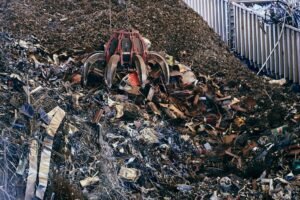
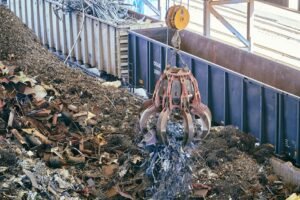
The journey of a copper wire from your bin to a new product is a fascinating industrial process. Once you drop off your materials at a professional metal recycling facility, the transformation begins. The scrap is first sorted by grade using visual inspection and sometimes advanced technology like X-ray fluorescence (XRF) analyzers to determine exact alloy composition.
For insulated materials, the cable is fed into a granulator. This machine chops the cable into small pieces and then uses air density separation to blow away the plastic insulation (the “chaff”) while the heavier copper granules fall into a separate collection bin. This clean copper is then melted down, cast into ingots, and sent to wire mills to be drawn into new electrical components.
This circular economy is essential for the environment. Recycling copper uses up to 85% less energy than mining and refining virgin copper ore. By participating in this system, you are directly reducing the carbon footprint of the manufacturing sector. For those looking to understand the future of this sector, our article on Cable Wire Scrap Price Copper Bearing Electronic Cable 2026 provides long-term market insights.
Practical Tips for Sellers: Preparing Your Scrap
If you want to get the best copper wire scrap price, preparation is key. Yards pay based on the quality of the material they receive. If you bring in a mixed bag of dirty copper, you will likely be paid the lowest rate for the entire load.
- Strip your wire: If you have the time and the right tools, stripping the insulation off your wire can significantly increase your payout. However, ensure the time spent stripping is worth the extra profit.
- Sort by grade: Keep your bare bright, number 2, and insulated cables in separate containers. Mixing them forces the yard to grade your entire load at the lowest common denominator.
- Clean your copper: Remove any steel, brass, or plastic attachments from your copper pipe or fittings. A magnet is your best tool here—if a magnet sticks to it, it’s not pure copper.
- Know your local yard: Building a relationship with a reputable buyer is essential. Use our directory to find Scrap Copper Near Me Where To Sell Copper Scrap For The Best Price to ensure you are dealing with a transparent and honest facility.
Environmental Benefits and the Future of Copper
Copper is one of the few materials that can be recycled infinitely without losing its physical properties. This makes it a cornerstone of sustainable development. As the world shifts toward renewable energy, the demand for copper is set to skyrocket. Solar panels, wind turbines, and battery storage systems all rely heavily on copper wiring.
By choosing to recycle rather than sending your scrap to a landfill, you are preventing heavy metals and plastics from leaching into the soil and groundwater. Furthermore, you are contributing to a supply chain that requires less destructive mining. The leading scrap trading platform emphasizes that every kilogram of recycled copper keeps the industry moving forward without the need for new, energy-intensive extraction.
The Role of Technology in Modern Scrap Trading
The scrap industry is no longer just about dirty yards and manual scales. Digital transformation has brought transparency to the market. Today, you can access real-time data on commodity prices, track your recycling history, and find the most efficient routes to recycling centers via mobile applications. This level of connectivity ensures that the average seller is no longer at a disadvantage when negotiating prices with scrap dealers.
When you use a digital platform to track the copper wire scrap price, you are empowered to sell at the peak of the market. This data-driven approach is changing how small contractors and large industrial firms manage their waste streams, turning what was once a nuisance into a predictable revenue stream.
Common Pitfalls to Avoid When Selling Scrap
Even with the best intentions, sellers often lose money due to avoidable mistakes. The most common pitfall is failing to account for the “tare weight” of their vehicle or containers. Always ensure the scale is zeroed out before you load your material. Additionally, be wary of yards that do not provide a clear breakdown of how they arrived at their price. A professional yard will always show you the weight of each grade and the corresponding price per kilogram.
Another mistake is waiting too long to sell. While it is tempting to hold out for a higher price, the market is unpredictable. If you have a significant amount of scrap, it is often better to sell in batches to capture the average market value rather than trying to time the market perfectly.
Conclusion: Turning Waste into Wealth
The scrap metal industry is a vital component of the Australian economy, and copper is its most prized asset. By understanding the factors that influence the copper wire scrap price, mastering the art of grading your materials, and choosing the right partners, you can ensure that your scrap metal recycling efforts are both profitable and environmentally responsible.
Whether you are dealing with small amounts of household wire or large industrial cable hauls, the principles remain the same: quality, sorting, and market awareness are your best tools. As we look toward a future dominated by electrified transport and renewable energy, the value of your recycled copper will only continue to grow. Stay informed, keep your materials clean, and utilize the resources available on our platform to make the most of your scrap.
Frequently Asked Questions
- How often do copper prices change? Copper prices are tied to global commodity exchanges and can fluctuate multiple times throughout the day, though most scrap yards update their buy prices on a daily basis.
- Is it worth stripping insulation off copper wire? Generally, yes, if you have the proper tools, as bare copper fetches a significantly higher price than insulated wire; however, calculate the time spent versus the extra profit to ensure it is worth your effort.
- What is the best way to identify copper grades? Use a magnet to check for steel impurities and visually inspect the wire for thickness, shine, and the presence of oxidation or coatings like paint or solder.
- Where can I find the most accurate current price for copper? You should check a dedicated scrap trading platform or your local yard’s website, as these sources provide the most up-to-date information based on local market conditions and the current LME spot price.
Frequently Asked Questions
How often do copper prices change?
Copper prices are tied to global commodity exchanges and can fluctuate multiple times throughout the day, though most scrap yards update their buy prices on a daily basis.
Is it worth stripping insulation off copper wire?
Generally, yes, if you have the proper tools, as bare copper fetches a significantly higher price than insulated wire; however, calculate the time spent versus the extra profit to ensure it is worth your effort.
What is the best way to identify copper grades?
Use a magnet to check for steel impurities and visually inspect the wire for thickness, shine, and the presence of oxidation or coatings like paint or solder.
Where can I find the most accurate current price for copper?
You should check a dedicated scrap trading platform or your local yard’s website, as these sources provide the most up-to-date information based on local market conditions and the current LME spot price.