
Navigating the volatile market of current copper scrap metal prices requires more than just a passing interest in commodities; it demands an understanding of how global economic forces trickle down to your local scrap yard. Whether you are a professional tradesperson clearing a job site or a homeowner with leftover plumbing materials, knowing the value of your scrap can significantly impact your bottom line.
Understanding the Global Copper Market
Copper is often referred to as ‘Dr. Copper’ by economists because its price is seen as a reliable indicator of global economic health. When industries are expanding, demand for copper rises, driving up current copper scrap metal prices. Conversely, during economic slowdowns, demand wanes, and prices soften. In Australia, the market is heavily influenced by the London Metal Exchange (LME), where copper is traded as a global commodity.
Because the LME sets the base price in USD, Australian recyclers must account for the AUD/USD exchange rate. When the Australian dollar is strong, imported goods become cheaper, but our export commodities—like scrap metal—can see price adjustments. To stay ahead, savvy sellers monitor Scrap Metal Prices regularly. It is important to note that the price you see on the news is the ‘spot price’ for refined, high-grade copper cathode. Scrap metal prices are always a percentage of this value, accounting for processing, logistics, and refining costs.
How Scrap Metal Grades Impact Your Payout
Not all copper is created equal. To get the best return, you must understand the grading system used by recyclers. The purity of the metal is the primary factor in determining its value.
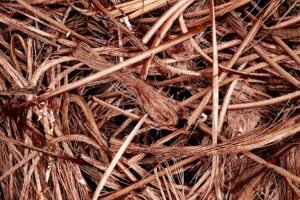
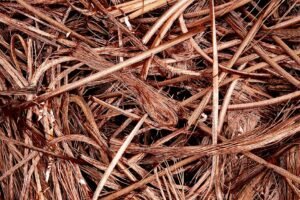
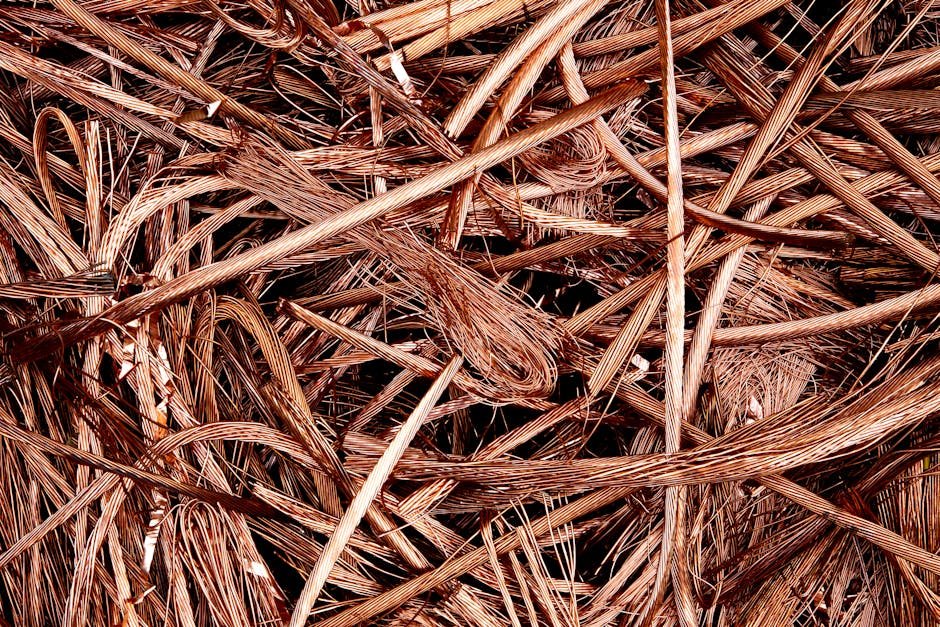
- Bare Bright Copper: This is the ‘gold standard’ of scrap. It consists of clean, unalloyed, uncoated, and uninsulated copper wire, typically 16-gauge or thicker. It must be free of oxidation or paint.
- Number 1 Copper: This includes clean copper pipe and tubing that is free of solder, paint, or excessive corrosion. It is slightly less valuable than bare bright but remains a high-demand grade.
- Number 2 Copper: This grade includes copper that has some impurities, such as solder, light oxidation, or paint. This is often where you find older copper pipe that has been removed from renovation sites.
- Insulated Copper Wire: Prices for this are calculated based on the ‘recovery rate’—the amount of pure copper remaining after the plastic insulation is stripped away.
By sorting your materials before heading to a facility, you can significantly increase your payout. Mixing grades usually results in the entire batch being valued at the lowest common denominator, which is why proper sorting is the most effective way to maximize your returns.
Factors Influencing Current Copper Scrap Metal Prices
Why do prices change from Tuesday to Wednesday? Several macroeconomic and logistical factors are at play. First, the supply-demand balance is critical. If mining output in major producing countries like Chile or Peru is disrupted, global supply tightens, pushing prices up. Second, geopolitical stability plays a role; trade wars or tariffs on metal imports can cause sudden price spikes or drops.
Locally, the cost of logistics is a major driver. If fuel prices rise, the cost to transport scrap from a regional yard to a processing hub increases, which often leads to a slight reduction in the price offered to the public. Furthermore, the demand from emerging economies, particularly in Asia, heavily dictates the export price of Australian scrap. When you search for Scrap Metal Prices Near Me, you are seeing a price that has been adjusted for these local logistics and demand cycles.
For those interested in the broader metal market, it is also useful to stay informed on current ferrous scrap metal prices, as these often move in tandem with broader industrial trends, even though copper is a non-ferrous metal.
The Copper Recycling Process: From Scrap to Commodity
The journey of a piece of copper wire from your bin to a new product is a marvel of modern efficiency. Once the metal is collected, it undergoes a rigorous process of sorting, cleaning, and melting. High-tech facilities use X-ray fluorescence (XRF) analyzers to determine the exact chemical composition of the metal, ensuring that it meets the strict standards required for new manufacturing.
After sorting, the copper is shredded into smaller pieces to remove contaminants like plastic insulation or steel fittings. These contaminants are separated using air classifiers or magnetic separators. The clean copper is then melted in a furnace, refined to remove any remaining impurities, and cast into ingots or rods. These are then sold back to manufacturers to create everything from electrical wiring for homes to components for electric vehicles (EVs). Because copper is infinitely recyclable without losing its properties, the ‘circular economy’ for this metal is exceptionally strong.
If you are looking for a reliable partner in this process, our professional metal recycling services provide transparent pricing and efficient processing for both commercial and residential clients.
Environmental Benefits of Copper Recycling
Recycling copper is one of the most environmentally impactful actions an individual or business can take. Mining primary copper ore is an energy-intensive process that involves massive excavation, crushing, and chemical leaching, all of which have a significant carbon footprint. By contrast, recycling existing copper consumes up to 85% less energy than mining and refining new ore.
Furthermore, recycling reduces the need for landfill space and prevents the leaching of heavy metals into the soil. As the world shifts toward a decarbonized economy, the demand for copper in renewable energy infrastructure—such as solar panels, wind turbines, and battery storage—is skyrocketing. By recycling, you are directly contributing to a sustainable supply chain that supports the global green energy transition. The scrap copper you recycle today may very well end up in the electrical grid of tomorrow.
Practical Tips for Maximizing Your Scrap Returns
To get the most out of your scrap, preparation is key. First, invest time in stripping your insulated wire. While it is labor-intensive, the price difference between ‘insulated’ and ‘bare bright’ is often significant enough to justify the effort. Use a wire stripping tool to make the job faster and safer.
Second, keep your copper clean. Avoid mixing it with brass, aluminium, or steel. If you have copper pipe with soldered joints, try to cut the joints off; clean pipe is worth more than ‘dirty’ pipe. Third, build a relationship with a trusted local buyer. Consistent suppliers are often given better service and more accurate updates on market trends. If you are a contractor, consider keeping a dedicated bin on-site to separate your metals as you work—this prevents cross-contamination and saves time at the end of the project.
Finally, keep an eye on scrap metal copper prices australia to understand the trends. Knowing when the market is trending upward can help you decide whether to sell your inventory now or hold onto it for a few weeks, provided you have the storage space. Always check the official scrap trading portal for industry-standard practices and up-to-date market analysis.
The Future of Copper and the Circular Economy
The future of the copper market is intrinsically linked to the global push for electrification. As the automotive industry pivots toward EVs, which use significantly more copper than internal combustion engine vehicles, the long-term outlook for copper demand remains bullish. This sustained demand is expected to keep the floor price of copper relatively high compared to historical averages.
For the average recycler, this means that scrap copper will likely remain a high-value commodity for the foreseeable future. The development of new, more efficient sorting technologies will also continue to improve the quality of recycled copper, making it even more attractive to manufacturers. By participating in the recycling industry, you are not just making a quick buck; you are playing an essential role in a vital, high-tech industrial ecosystem that is essential for modern life.
Conclusion: Taking Action
Understanding the dynamics of the copper market is the first step toward becoming a more effective recycler. From the daily fluctuations of the LME to the physical labor of sorting and cleaning your materials, every step you take adds value to the metal and reduces the environmental impact of mining. Whether you are a professional tradesperson or a hobbyist, the key is to stay informed, sort your materials diligently, and choose a reputable recycler who provides fair, market-linked pricing.
Remember that the value of your scrap is a reflection of global demand, local logistics, and the quality of your sorting. By keeping these factors in mind, you can ensure that you are getting the best possible return for your efforts. We encourage you to visit our resources regularly to stay updated on the latest market movements and to ensure your scrap metal practices are as profitable and sustainable as possible.
Frequently Asked Questions
Why do copper prices change so often?
Copper prices are driven by global commodities trading on the London Metal Exchange. Factors like supply chain disruptions, currency exchange rates, and fluctuating industrial demand cause these prices to shift daily.
Is it worth stripping insulation from copper wire?
Yes, in most cases, stripping insulation significantly increases the value of your scrap. Bare bright copper wire commands a much higher price per kilogram than insulated wire, which is valued based on its estimated copper recovery percentage.
How can I tell the difference between Number 1 and Number 2 copper?
Number 1 copper is clean, unalloyed, and free of solder or paint. Number 2 copper typically contains impurities such as solder joints, light oxidation, or paint, which requires more processing to refine.
What is the best way to store scrap copper?
Store your copper in a dry, covered area to prevent oxidation and corrosion. Keeping different grades of copper in separate, clearly labeled containers will also save you time and ensure you get the best price when you visit a recycling facility.