
The current copper scrap price you hear quoted on the yard scale is never plucked from thin air. It is the culmination of global metal prices today, FX swings, freight differentials, smelter demand and the exact chemical grade of the material. Whether you have a garage full of copper wire off-cuts or a factory bin of copper pipe, knowing how these variables interact puts real dollars back in your pocket.
1. How the Current Copper Scrap Price Is Calculated
Scrap traders do not invent numbers. They start with the London Metal Exchange (LME) Grade-A copper contract—the world benchmark—convert it to Australian dollars, then apply a series of transparent discounts or premiums:
- FX conversion: LME is USD/MT, so AUD/USD moves of 1 ¢ shift the copper price per kg ~1.5 ¢.
- Freight & insurance: Getting material from Melbourne or Brisbane port to a Chinese smelter currently adds ~US$85 t.
- Smelter treatment & refining charges (TC/RC): These deduct US¢18–22 per lb from the payable grade.
- Grade yield loss: Bare bright copper has 99.9 % metal, whereas number 2 copper may only assay 92–94 %, so the buyer prices in recovery loss.
- Competition buffer: Yards add or subtract a margin to attract arisings or slow intake depending on inventory.
Because these factors change by the hour, reputable platforms publish a copper scrap price today bulletin each morning. Bookmarking it lets you time deliveries for the strongest pricing window.
2. Copper Scrap Grades Explained: From Bare Bright to Number 2 Copper
Not all copper is equal. Australian yards adopt ISRI specifications and commonly trade four grades:
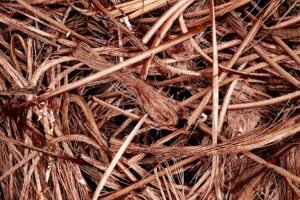
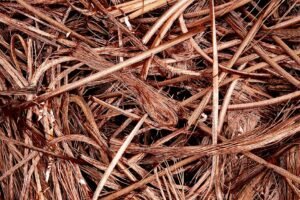
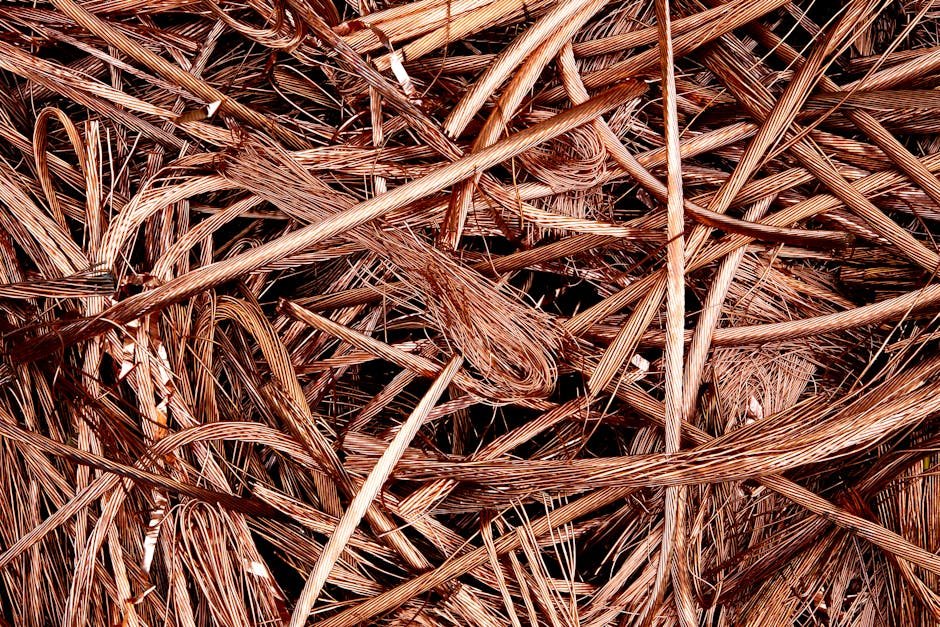
- Bare bright copper: Clean, unalloyed, uncoated wire >1 mm Ø, no oxidation, no solder. Commands the highest copper price per kg.
- Number 1 copper: Clean pipe, bus-bar or solids; may have minor patina but zero solder, paint or brass fittings.
- Number 2 copper: Painted pipe, soldered joints, maximum 5 % other metals. Price discounted 8–12 % versus bare bright.
- Copper wire (plastic coated): House cable, data comms. Value drops sharply because insulation must be burned or granulated.
Bringing mixed material means the whole lot gets downgraded to the lowest common denominator. Spending ten minutes stripping insulation or removing brass valves lifts the load into the next bracket and can add $2 per kg—worth $2 000 on a one-tonne pick-up. If you are unsure how to classify, check the photo library on Copper Scrap Group before you head to the yard.
3. Where to Check Metal Prices Today & Lock in the Best Deal
Smart sellers monitor three data sources:
- LME live feed—free delayed data or pay US$60 per month for real-time.
- National yard portals—Scrap Trade publishes a daily table for major cities.
- Apps—iScrap, ScrapIt or the Scrap Trade mobile site push alerts when the current price of scrap copper spikes.
Once you see a favourable print, call two yards and one exporter. Ask for a delivered-weight price in AUD per kg with payment terms (EFT same-day is standard). Most operators will hold the quote for 24 hrs if you supply a weighbridge ticket. For a state-by-state directory of reputable buyers, read our companion article Scrap Copper Near Me Where To Sell Copper Scrap For The Best Price.
4. Environmental & Economic Benefits of Copper Recycling
Recycling copper uses 85 % less energy than mining virgin ore and keeps a conductive metal in perpetual circulation. One tonne of recycled copper saves:
- 3.3 t of CO₂ emissions versus primary refining;
- 1.4 t of acid rock drainage waste;
- 1 t of liquid effluent discharge;
- US$5 000 in avoided mining costs.
Domestically, Australia produces ~650 kt of copper scrap annually yet only reprocesses 42 % locally; the balance is exported. Expanding domestic smelter capacity could add 1 200 direct jobs and A$1.8 bn GDP, according to the Bureau of Industry Economics. Every kilogram you divert from landfill therefore supports both the planet and the regions.
5. Step-by-Step Recycling Process: From Your Bin to Billet
Understanding the journey helps you prepare material so it passes inspection the first time:
- Collection & weighing: Public weighbridges issue a docket; photograph the load for dispute avoidance.
- Visual inspection: Yard operators cut random samples to check for silver-plated wire or aluminium cores.
- Shearing/baling: Large mills cut pipe into 1 m lengths; wire is baled for freight efficiency.
- Granulation or stripping: Insulated copper wire goes through a chopping line; plastic is separated by density bath.
- Smelting & anode casting: Scrap is fed into an ISA smelt furnace at 1 200 °C, oxygen-enriched, then cast into 350 kg anodes.
- Electro-refining: Anodes are dissolved in sulphuric acid, pure copper plates onto stainless cathodes at 99.99 % grade.
- Rod production: Cathodes are melted and cast into 8 mm Ø rod for new copper wire, cable, copper pipe and EV components.
Entrepreneurs can now install small-scale granulators for under A$50 000 and upgrade insulated cable into clean granules worth an extra $2 per kg. The payback period is 14 months at 500 t throughput.
6. Factors That Move Copper Prices & How to Anticipate Them
While LME is the headline, several secondary drivers can shift the current copper scrap price by ±5 % within a week:
- Chinese bonded warehouse stocks: A 10 kt daily draw indicates smelters are restocking and lifts regional bids.
- TC/RC negotiations: When miner TC falls below US$20 lb, smelters seek scrap as feedstock, tightening scrap spreads.
- Shipping container rates: Post-pandemic, Shanghai–Melbourne box rates swung from US$1 800 to US$9 500; higher freight compresses local bids.
- Construction PMI: Australian copper consumption is 60 % building wiring; a 1-point PMI rise correlates with 0.7 % copper demand.
- Substitute prices: Aluminium can replace bus-bar above US$3.30 lb Cu-equivalent; watch the Stainless Steel Scrap Price for similar arbitrage signals.
Seasoned traders layer these metrics into a simple spreadsheet model that flags when to warehouse material or accelerate deliveries. If the model predicts a 3 % uplift inside ten days, holding inventory in a rented container (A$6 per day) is profitable.
7. Practical Tips for Maximising Cash Return on Your Scrap
Before you load the ute, run through this checklist:
- Strip first, weigh second: One hour with a sharp blade can upgrade 30 kg of domestic twin-flat into bare bright copper, adding A$90.
- Keep it dry: Moisture adds weight but smelters deduct 1 % for every 0.1 % H₂O; store under tarp.
- Remove brass fittings: One ½-inch soldered elbow can downgrade an entire 20 kg drum of pipe into number 2 copper; slice them off with an angle-grinder.
- Separate alloys: Bronze impellers and gunmetal valves go into a different bin; yards pay 10–15 % less but still better than landfilling.
- Photograph each load: Date-stamped images deter under-count disputes and simplify insurance claims if theft occurs.
- Negotiate floor prices: If you deliver >500 kg, ask for a price-floor clause; some exporters will guarantee today’s rate even if tomorrow’s current price of scrap copper slips.
Finally, build relationships. Yards reward consistent suppliers with faster payments, reduced fees and first notice of price spikes. Join the Scrap Trade Australia newsletter for weekly market intel and invitations to exporter tender rounds.
8. Frequently Asked Questions About Copper Recycling
We field hundreds of questions each month; here are the four that matter most to sellers.
Conclusion: Turn Knowledge Into Profit
Staying on top of the current copper scrap price is more than a daily ritual—it is a competitive edge. Understand the grades, track the drivers, prepare your material to spec and you can consistently capture 5–10 % above the average yard gate price. Australia’s scrap market is liquid, transparent and ready to reward those who invest a little time in education. Bookmark our pricing pages, set calendar alerts for LME option expiry dates, and keep your copper wire, copper pipe and bare bright copper sorted and dry. Do that, and every kg you deliver will bring the best possible return for your wallet and the environment.
Frequently Asked Questions
Is coated copper wire worth less than bare bright copper?
Yes. Plastic insulation adds weight but zero payable metal, so yards discount coated copper wire by 30–50 %. Strip or granulate before sale to capture the higher copper price per kg.
How quickly do scrap yards pay once I deliver?
Standard practice is same-day EFT if you deliver before 11 am; funds clear overnight. Larger loads (>5 t) may trigger a two-day holding period for assay confirmation.
Can I negotiate a premium for very large volumes?
Absolutely. Delivering 5 t+ of clean bare bright copper typically adds 5–7 ¢ per kg above the published rate. Call ahead so the yard can schedule a dedicated container for direct export.
What happens if copper prices crash after I lock in a quote?
Most quotes are valid for 24 h once issued. If the market falls within that window, the yard still honours the locked price—provided you deliver before expiry.