
Understanding the current cost of scrap copper is the first step for any Australian tradesperson, demolition contractor, or residential recycler looking to maximize their returns. Because copper is a globally traded commodity, its value is subject to the volatility of international metal exchanges, currency fluctuations, and industrial demand. Whether you are clearing out a job site or managing industrial waste, knowing how to classify your materials is essential for securing the best rates. By tracking the current copper scrap price, you can time your sales to align with market peaks, ensuring you receive the maximum value for your efforts.
Understanding Copper Grades: From Bare Bright to Number 2
In the world of scrap metal, not all copper is created equal. The value of your haul depends heavily on the grade, which is determined by the level of contamination, oxidation, and insulation. To get the best current cost of scrap copper, you must learn to sort your materials before heading to the yard.
Bare Bright Copper
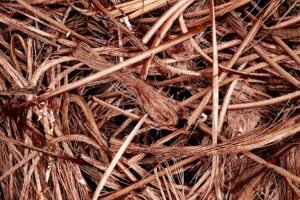
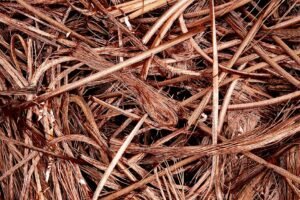
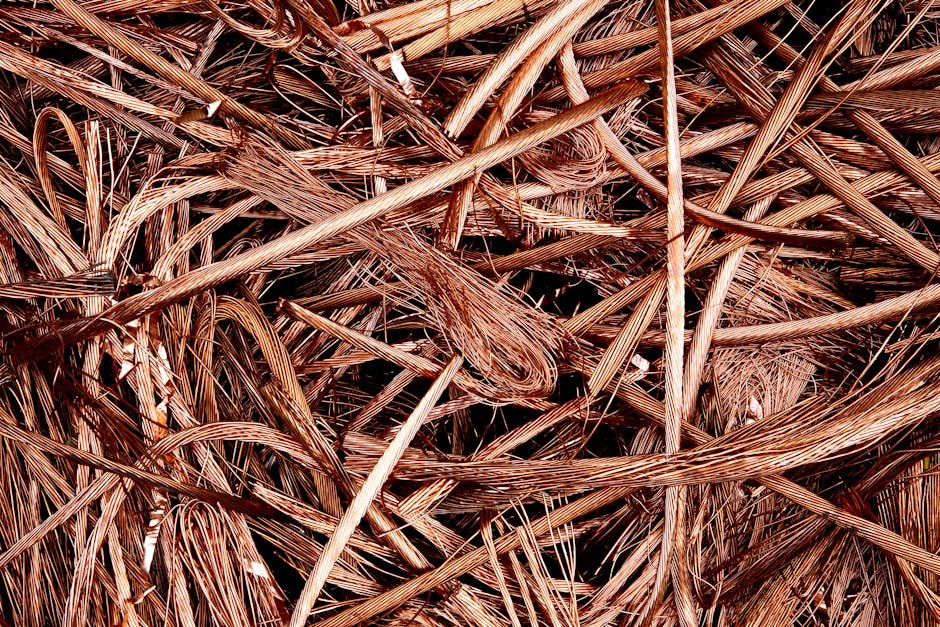
Bare bright copper consists of clean, unalloyed, uncoated, and unoxidized copper wire that is at least 16 gauge in thickness. It is the gold standard in the industry. Because it requires no further processing, it commands the highest price per kilogram. If you have stripped Scrap Copper from electrical cables, ensure it is free of solder, paint, or plastic coating to qualify for this premium grade.
Number 1 Copper
Number 1 copper includes clean copper pipe and heavy-gauge wire that is free of fittings, insulation, or significant oxidation. While it is slightly less valuable than bare bright, it remains a highly sought-after commodity. It must be free of brass, solder, or other contaminants that lower the refining efficiency.
Number 2 Copper
Number 2 copper is the most common grade found in residential and commercial demolition. This grade includes copper that has some level of oxidation, minor solder, or other impurities. It is often comprised of copper pipe that has been used in plumbing systems and still contains traces of solder at the joints. While it fetches a lower price than Number 1, it is still a valuable asset in any Copper Scrap Group collection.
Insulated Copper Wire
Insulated wire is graded based on the percentage of copper recovery. A professional recycler will strip the plastic insulation to separate the copper from the PVC or rubber casing. The heavier the copper core, the higher the value. Always check the current scrap copper prices for insulated wire, as these can fluctuate independently of bare copper rates.
The Economics of Copper Recycling in Australia
The Australian scrap market is a vital component of the circular economy. Every time you recycle, you are diverting waste from landfills and reducing the need for destructive mining practices. When you look up Scrap Copper Prices Near Me, you are participating in a sophisticated supply chain that spans from local collection yards to international smelters.
Copper recycling is highly energy-efficient. Processing recycled copper requires up to 85% less energy than extracting and refining virgin copper ore. This energy saving is passed down the chain, making recycled copper a critical resource for manufacturers of electronics, renewable energy infrastructure, and construction materials. For those looking for a reliable partner, Scrap Trade Australia provides the infrastructure to bridge the gap between small-scale collectors and global markets.
How the Recycling Process Works
The journey from a pile of scrap in your shed to a new product is a fascinating industrial process. It begins with the collection and sorting phase. At a professional facility, materials are sorted using advanced technology, including X-ray fluorescence (XRF) analyzers that determine the exact chemical composition of the metal.
Once sorted, the copper is shredded into smaller pieces to remove non-metallic impurities like insulation, paper, or plastic. This is often done using magnetic separators and air classifiers. The clean, shredded copper is then melted in furnaces at temperatures exceeding 1,000 degrees Celsius. The molten copper is refined to remove any remaining trace elements, then cast into ingots, billets, or wire rods. This material is then sold back to manufacturers to be transformed into everything from high-voltage cables to intricate components for electric vehicles.
Environmental Benefits of Copper Recovery
Beyond the financial incentives, the environmental argument for recycling is compelling. Copper is a 100% recyclable metal, meaning it can be melted down and repurposed indefinitely without losing its structural integrity or conductivity. By recycling, we significantly reduce the carbon footprint associated with mining. Mining operations consume vast amounts of water, disrupt local ecosystems, and produce significant tailings waste.
Furthermore, the current cost of scrap copper reflects the scarcity of high-grade ore. As global demand for copper increases—driven by the shift toward electric vehicles and renewable energy grids—the importance of secondary sourcing becomes even more pronounced. Recycling is not just a way to make extra money; it is a fundamental pillar of modern sustainability. By choosing to recycle through the leading platform for scrap metal trading, you are contributing to a more sustainable industrial future.
Practical Tips for Maximizing Your Returns
To ensure you are getting the best value, follow these expert tips:
- Sort and Clean: Always separate your copper from brass, steel, and aluminum. Contamination is the fastest way to drop your grade from Number 1 to Number 2.
- Strip Your Wire: If you have the time and tools, stripping insulation from copper wire significantly increases its value. However, weigh the labor cost against the price difference.
- Monitor the Market: Commodity prices are dynamic. Use online tracking tools to see when the market is trending upward before taking your haul to the scrap yard.
- Build Relationships: If you are a regular contributor, talk to your local yard manager. Establishing a long-term relationship can often lead to better rates or more convenient drop-off arrangements.
- Stay Informed: Keep up to date with global economic news. Events that impact the mining sector, such as strikes or supply chain disruptions, often cause the price of copper to spike.
The Future of Copper and the Circular Economy
The global transition to a low-carbon economy relies heavily on copper. It is the essential metal for electrification. As we move away from fossil fuels, the demand for copper in wind turbines, solar panels, and battery storage systems is projected to soar. This creates a long-term bullish outlook for the copper market, which is great news for those involved in the recycling industry.
However, the industry is also facing challenges. As high-grade ore deposits become harder to find, the cost of extraction rises. This makes the recycling sector even more vital. We are entering an era where “urban mining”—the process of recovering valuable materials from waste—is just as important as traditional mining. By treating your scrap copper as a valuable resource rather than waste, you are positioning yourself at the forefront of this economic shift.
Safety and Compliance in Scrap Handling
Safety should always be your priority when handling scrap metal. Copper pipe and wire can have sharp edges, and industrial sites often present risks like heavy machinery and unstable piles. Always wear appropriate personal protective equipment (PPE), including cut-resistant gloves and steel-toed boots.
Additionally, be aware of local regulations. In Australia, many scrap yards are required to verify the identity of sellers to prevent the trade of stolen goods. Always carry valid identification when visiting a yard. Reputable businesses will have clear procedures for compliance, ensuring that the industry remains transparent and legitimate. When you work with established, professional recyclers, you are not only ensuring a fair price but also supporting a legal and ethical supply chain.
Conclusion: Turning Waste into Wealth
Recycling copper is a win-win scenario. It provides a significant financial boost to individuals and businesses while providing the raw materials necessary to build a sustainable future. By understanding the grades, monitoring the current cost of scrap copper, and working with professional partners, you can turn your scrap into a reliable revenue stream.
Whether you are a professional electrician with a bin full of offcuts or a homeowner clearing out an old plumbing system, the value of your copper is waiting to be realized. Start by sorting your materials today, check the latest market data, and visit a trusted local yard to start contributing to the circular economy. Remember, every kilogram of copper recycled is a step toward a more efficient, greener, and more profitable world.
Frequently Asked Questions
What is the difference between Number 1 and Number 2 copper?
Number 1 copper is clean, unalloyed, and free of oxidation or solder, while Number 2 copper may contain minor impurities like solder, oxidation, or other metallic contaminants.
Should I strip insulation from copper wire?
Stripping insulation can significantly increase the value of your scrap because it removes the non-metallic weight. However, consider if the labor time is worth the price difference before you begin.
How often do scrap copper prices change?
Scrap copper prices are tied to global commodity markets and can fluctuate daily. It is recommended to check the current market rates on the day you plan to sell your scrap.
Why is copper recycling important for the environment?
Recycling copper requires up to 85% less energy than mining and refining virgin ore. It also reduces the need for destructive mining practices and keeps valuable metal out of landfills.