
Navigating the complex landscape of current ferrous scrap metal prices requires a deep understanding of the global commodities market, local industrial demand, and the specific grading standards used by Australian recyclers. Whether you are a demolition contractor, a manufacturing plant manager, or a private seller, knowing how the market operates is essential to maximizing your returns. In this comprehensive guide, we will break down the mechanics of metal valuation, the significance of different ferrous grades, and how you can leverage current market data to make informed selling decisions.
Understanding Market Dynamics and Pricing
The valuation of scrap metal is rarely static. When you search for Current Scrap Metal Prices, you are looking at a snapshot of a highly volatile global market. Ferrous metals—those containing iron, such as steel and cast iron—are the backbone of the global economy. Their value is primarily driven by the steel industry’s demand for raw material to produce new steel. When infrastructure projects increase or automotive manufacturing ramps up, the demand for recycled steel rises, pushing the price per tonne upward.
In Australia, the market is influenced by both domestic and international factors. Because Australia is a major exporter of raw commodities, our local Scrap Metal Prices are often pegged to international benchmarks like the London Metal Exchange (LME) or the Singapore Iron Ore Index. However, local logistics play a massive role. The cost of transporting heavy scrap from a regional site to a port or a major processing facility often dictates the final price paid to the seller. If you are looking for local insights, searching for current scrap metal prices sydney can provide a clearer picture of how logistics impact the bottom line in high-density urban areas.
Furthermore, the current ferrous scrap metal prices you see today are the result of a delicate balance between supply and demand. When steel mills have high inventory levels, they may lower their buying prices. Conversely, during periods of supply chain disruptions, mills may pay a premium to secure consistent scrap streams. Understanding these cycles allows you to time your sales more effectively, ensuring you get the best possible value for your material.
How Prices Are Set: The Price Per KG and Per Tonne
Most professional scrap yards operate using two primary metrics: price per kg and price per tonne. For smaller quantities, you will typically be quoted a price per kg. For large industrial loads, the standard is the price per tonne. It is vital to understand that the price per tonne is not simply a multiplication of the price per kg; it often includes volume incentives. Larger, consistent loads of clean, sorted scrap are significantly more valuable to a recycler because they require less processing time and labor.
The process of setting these rates involves several variables:
- Purity and Contamination: Clean steel, free from plastics, rubber, or non-ferrous attachments, commands the highest market rate. Contaminated loads require expensive separation, which is deducted from your payout.
- Grade Classification: Not all steel is created equal. High-grade steel, such as heavy melting steel (HMS), is more valuable than light, thin gauge sheet metal.
- Market Rate Volatility: Recyclers adjust their buying prices daily or weekly to reflect the Scrap Metal Prices Near Me trends, ensuring they remain competitive while accounting for their own processing margins.
- Processing Costs: The energy, labor, and equipment (shears, shredders, balers) required to prepare scrap for the furnace are factored into the final offer.
For those interested in the specific technicalities of steel, monitoring current steel scrap metal prices is a proactive way to stay ahead of market shifts. By visiting Scrap Trade, you can access real-time data that helps demystify the complex pricing structures used by Australian merchants.
Grading Ferrous Scrap: What Determines Value
To maximize your revenue, you must understand how to grade your material. Ferrous metals are categorized based on their chemical composition, thickness, and size. The most common grades include:
1. Heavy Melting Steel (HMS 1 & 2)
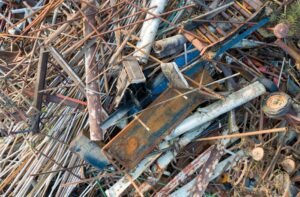
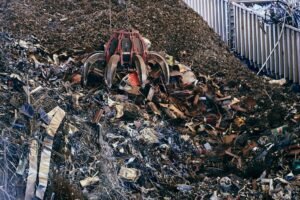
HMS is the gold standard of ferrous scrap. It consists of thick, structural steel, such as beams, plates, and heavy machinery parts. Because it is dense and relatively free of contaminants, it is highly sought after by steel mills for electric arc furnaces. HMS 1 is generally thicker and cleaner, while HMS 2 may include some painted or galvanized steel.
2. Light Iron / Sheet Metal
This includes items like appliances, roofing, and car bodies. It is lighter and bulkier, which makes it more expensive to transport and process. Because it often contains non-ferrous components (like copper wiring in motors or plastic casing), it is usually shredded before being melted, which influences the price.
3. Cast Iron
Cast iron is distinct from steel due to its higher carbon content. It is brittle and often found in engine blocks, old pipes, and machinery bases. It is typically priced separately from steel grades because it requires a different melting process.
4. Turnings and Borings
These are the by-products of machining processes. While they are high-quality steel, they are small and often covered in cutting oils, which requires specialized cleaning and briquetting before they can be recycled.
By sorting your scrap into these grades before taking it to a yard, you can significantly increase your payout. Recyclers prefer pre-sorted material because it allows them to move it directly into their processing stream without additional labor.
The Recycling Process: From Scrap to Steel
Recycling ferrous metal is a sophisticated industrial process that transforms discarded waste into a vital manufacturing resource. The journey begins at the collection point, where scrap is weighed and inspected. The Scrap Trade Australia platform provides extensive resources on how this lifecycle works, helping businesses and individuals understand the importance of proper material handling.
Once collected, the material undergoes several stages:
- Sorting and Separation: Using powerful magnets and sensor-based sorting technology, recyclers separate ferrous metals from non-ferrous materials like aluminum, copper, and stainless steel.
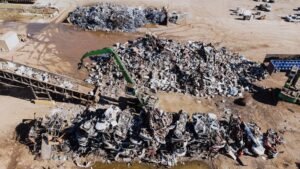
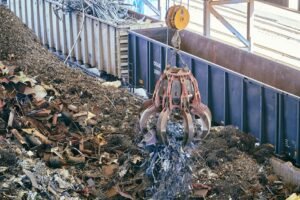
- Shredding: Large industrial shredders break down bulky items into palm-sized pieces. This increases the surface area, making it easier to remove impurities.
- Cleaning: Magnetic separators remove any remaining non-metallic debris, while chemical processes or heat may be used to remove coatings like paint or galvanization.
- Melting and Refining: The cleaned scrap is melted in massive furnaces. The resulting molten metal is tested for chemical composition, and additives are introduced to achieve the desired grade of steel.
- Casting: The molten steel is cast into billets, ingots, or slabs, which are then shipped to manufacturers to create everything from new car parts to structural beams for skyscrapers.
This closed-loop system is essential for the modern economy. Every tonne of recycled steel saves over a tonne of iron ore, 600kg of coal, and significant amounts of energy compared to producing steel from raw virgin materials.
Environmental Benefits and Sustainability
The environmental impact of recycling ferrous metal cannot be overstated. As the global push toward a circular economy intensifies, the role of the scrap metal industry becomes increasingly critical. By recycling, we significantly reduce the carbon footprint associated with metal production.
Energy Savings: Producing steel from recycled scrap requires up to 75% less energy than producing it from virgin iron ore. This reduction in energy consumption directly translates to lower greenhouse gas emissions.
The Future of Ferrous Scrap
As we look toward the future, the market for current ferrous scrap metal prices will be increasingly influenced by sustainability mandates. Governments are implementing stricter regulations on waste, encouraging businesses to adopt circular supply chains. For the scrap industry, this means greater demand for high-quality, traceable recycled steel.
Technological advancements in AI-driven sorting and green hydrogen-powered furnaces are also set to change the landscape. These innovations will likely lead to more efficient processing and potentially higher scrap prices as the purity of recycled material improves, making it a more viable alternative to virgin steel.
Practical Tips for Sellers
To ensure you are getting the best value, consider these expert tips:
- Sort by Grade: Never mix your high-grade structural steel with light sheet metal. Keep them separate to ensure you are paid the top rate for each category.
- Remove Contaminants: If you have a piece of machinery, remove any plastic, wood, or glass attachments. The cleaner the metal, the higher the price.
- Volume Matters: If you have a large amount of scrap, contact the yard in advance. They may offer better rates for consistent, high-volume deliveries.
- Monitor the Market: Keep an eye on global trends. If you see news about major steel mill shutdowns or surges in infrastructure spending, prepare for price fluctuations.
- Build Relationships: Establishing a long-term relationship with a reputable local yard can lead to better service and more transparent pricing.
In conclusion, the world of ferrous scrap metal is a complex but rewarding sector. By staying informed about market rates, understanding the importance of proper grading, and recognizing the environmental value of your scrap, you can turn waste into a valuable asset. Whether you are clearing out a workshop or managing industrial demolition, the key to success lies in preparation and market awareness. Use the resources available at our platform to stay updated on the latest industry developments and ensure you are always getting the best value for your material.
Frequently Asked Questions
What is the most valuable type of ferrous scrap?
Heavy Melting Steel (HMS) is generally the most valuable ferrous scrap because it is dense, clean, and requires minimal processing before being melted down in a furnace.
How often do scrap metal prices change?
Scrap metal prices can fluctuate daily or weekly depending on global commodity market trends, local supply and demand, and the specific needs of steel mills.
Does my scrap need to be cleaned before I sell it?
Yes, removing non-metallic contaminants like plastic, rubber, wood, and glass will significantly improve your payout, as recyclers pay more for clean, sorted material.
Why is there a difference between price per kg and price per tonne?
Price per kg is typically used for smaller, retail-level transactions, while price per tonne is used for large-scale industrial volumes that benefit from bulk pricing incentives.