
Understanding the current price for recycled copper is the first step for any trade professional, demolition contractor, or homeowner looking to maximize returns on their metal assets. Because copper is a globally traded commodity, its value is subject to constant volatility driven by industrial demand, geopolitical stability, and supply chain logistics. Whether you are dealing with high-purity bare bright copper or lower-grade number 2 copper, knowing exactly how these materials are valued is critical to ensuring you receive fair market compensation for your collection. As an essential component of the global energy transition, copper remains one of the most sought-after industrial metals, and keeping a close eye on the price for recycled copper allows you to time your sales for maximum profitability. For those ready to liquidate their holdings, finding a reliable buyer is essential; you can find local options via Scrap Copper Near Me Where To Sell Copper Scrap For The Best Price to ensure you are dealing with reputable yards that provide honest scales and competitive rates.
Understanding Market Dynamics and Pricing Factors
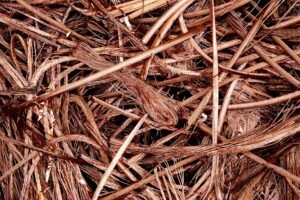
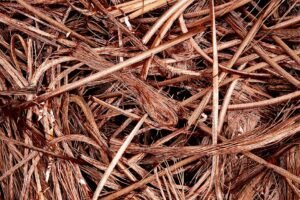
The pricing of scrap metal is not arbitrary; it is a sophisticated reflection of global economic health. The primary benchmark for all metal prices today is the London Metal Exchange (LME). When traders discuss the price for recycled copper, they are essentially tracking the spot price of refined copper on the LME, adjusted for the Australian Dollar (AUD) exchange rate and local processing costs. Several key factors influence the final payout you receive at the weighbridge. First, the purity of the material is paramount. Bare bright copper, which consists of clean, unalloyed, uncoated, and uninsulated wire, commands the highest premium because it requires minimal processing before it can be melted down and reused. Conversely, number 2 copper—which may contain minor contaminants like solder, paint, or slight oxidation—is priced lower because it requires additional refining steps.
Beyond purity, the volume of your scrap plays a significant role. Large-scale industrial suppliers often negotiate better rates due to the economies of scale they provide to recycling facilities. Furthermore, market demand in China and the United States acts as a major price driver. When global manufacturing output increases, the demand for virgin copper rises, which in turn pulls up the price of recycled scrap. It is also important to note that the Australian domestic market is heavily influenced by logistics costs; if you are located in a remote area, the cost of transporting your material to a processing hub will be deducted from your total payout. To stay informed on how these variables interact, refer to our Recycled Copper Price: A Comprehensive Guide to Market Values, which breaks down the cyclical nature of these fluctuations. Always verify if your local yard uses digital, calibrated scales, as precision is the difference between a fair return and a loss.
The Hierarchy of Copper Grades
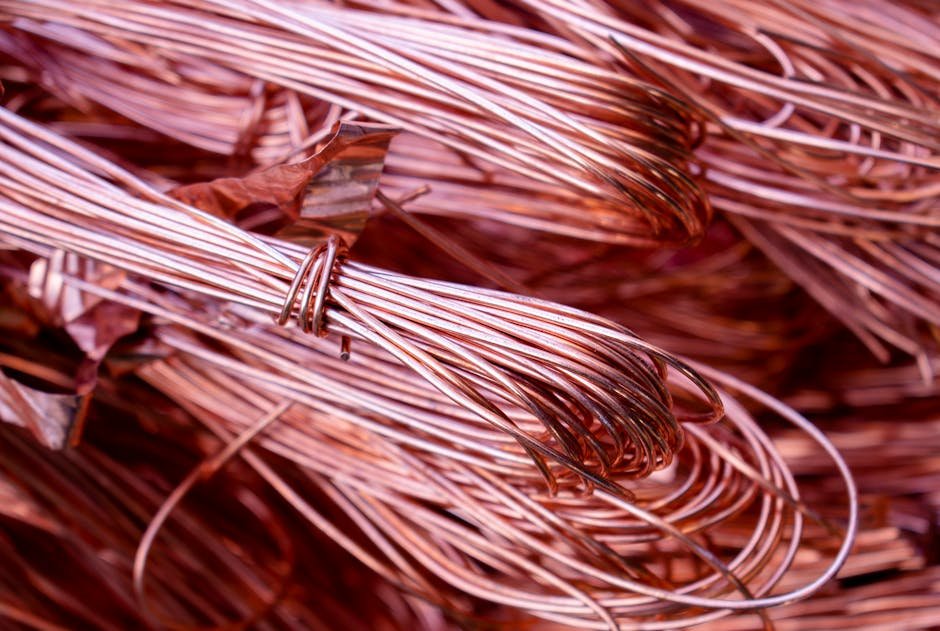
To maximize your profit, you must understand how to sort your materials before arriving at the scrap yard. Yards categorize copper into distinct grades, each with a different price point. Bare bright copper is the gold standard; it is essentially new, clean wire that has been stripped of all insulation. If you are stripping copper wire, ensure there is no plastic, rubber, or varnish remaining, as these contaminants force the yard to downgrade your material to a lower price bracket. Number 1 copper, while slightly less valuable than bare bright, is still clean, unalloyed copper pipe or heavy-gauge wire that is free of fittings or solder. Number 2 copper is the most common grade for residential scrap, often including copper pipe with brass fittings, valves, or wire that has been burnt or oxidized. Understanding these distinctions is crucial, as mixing grades often results in the entire batch being priced at the lowest common denominator.
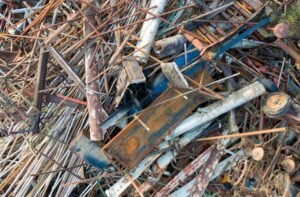
If you are also dealing with other non-ferrous metals, you might find it useful to compare rates, such as checking the current 1 Kg Brass Price In Australia, to ensure your overall collection is being valued correctly. Many scrap yards provide a dedicated area for Scrap Copper, and taking the time to separate your pipe, wire, and fittings into distinct bins will significantly speed up your transaction time and ensure you are paid the correct rate for each category. Remember that even small amounts of contamination, such as steel screws left in a copper pipe, can lead to a downgrade. Always use a magnet to test your scrap; if the magnet sticks, it is likely steel or iron, which will drastically reduce the value of your copper load.
The Recycling Process: From Scrap to Commodity
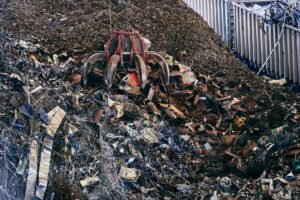
The transformation of scrap metal into a high-value commodity is a marvel of modern industrial engineering. Once you drop off your scrap, it undergoes a rigorous sorting process. Automated systems, including eddy current separators and X-ray fluorescence (XRF) analyzers, are used to identify the chemical composition of the metal with extreme precision. For copper wire, industrial granulators are employed to chop the material into small pieces, after which air classification systems separate the heavy copper granules from the lighter plastic insulation. This clean copper is then melted in furnaces to create ingots or billets, which are sold back to manufacturers to be drawn into new wires, pipes, or components.
This circular economy is essential for Australia’s environmental goals. Recycling copper consumes up to 85% less energy than mining and refining virgin ore. By choosing to recycle, you are directly contributing to a reduction in carbon emissions and minimizing the need for destructive open-cut mining. When you work with professional recyclers who utilize advanced processing technology, you ensure that your material is handled efficiently and sustainably. For those looking to partner with industry leaders, Scrap Trade Australia provides the necessary infrastructure to handle both small-scale residential collections and large-scale industrial site clean-ups. Their commitment to transparent pricing and environmental stewardship makes them a preferred partner in the industry. By diverting copper from landfills, you are not only earning money but also preserving finite natural resources for future generations.
Drop-off vs. Pickup: Choosing the Right Logistics
Deciding whether to drop off your scrap or request a pickup depends on the volume and nature of your material. For residential quantities, such as a few bags of copper pipe or stripped wire, a direct drop-off at a local yard is usually the most efficient route. This allows you to witness the weighing process firsthand and receive immediate payment. Most yards have drive-through facilities designed to make the process quick and painless. However, if you are a contractor or a business owner with a large volume of scrap, scheduling a pickup is often the better financial decision. Professional scrap companies can provide skip bins or flatbed trucks to your site, saving you the time and fuel costs of multiple trips.
When arranging a pickup, ensure you have a clear inventory of what you are moving. Provide the recycler with photos and an estimated weight so they can send the appropriate equipment. Some yards may charge a rental fee for bins, but this is often offset by the convenience and the ability to keep your site clean and compliant with safety regulations. Always ask for a weighbridge ticket or a digital receipt upon pickup to ensure transparency. If you are unsure about the logistics, consulting with experts at Scrap Trade can help you determine the most cost-effective solution for your specific situation. Whether you choose to drop off or have the material collected, the key is to maintain a consistent flow of material, as regular sellers are often rewarded with better long-term pricing agreements.
Environmental Impact and Future Trends
The global demand for copper is projected to skyrocket as the world transitions to renewable energy. Electric vehicles (EVs), wind turbines, and solar panels all require significantly more copper than traditional fossil-fuel-based technologies. This surge in demand is putting upward pressure on the price for recycled copper, making it an increasingly valuable asset for those who capture and recycle it. As a result, the industry is seeing a shift toward more sophisticated recovery methods, including hydrometallurgical processes that can extract copper from lower-grade waste streams that were previously considered uneconomical to process. This trend highlights the importance of keeping your scrap clean and free of hazardous contaminants, as cleaner material will always be the first choice for these advanced recycling facilities.
Furthermore, government regulations regarding waste management are becoming stricter, with a greater emphasis on producer responsibility and circularity. This legislative environment supports the scrap industry, ensuring that metal recycling remains a viable and profitable enterprise. By participating in this ecosystem, you are not just making a profit; you are an active participant in the global effort to decarbonize the economy. Future trends suggest that we will see more integration between scrap yards and manufacturers, creating a seamless loop where scrap is returned directly to the production line. Keeping your scrap organized and ready for the market will position you to take advantage of these evolving market conditions. Always stay updated on local environmental policies, as these can impact how certain types of scrap—particularly insulated wire—must be handled and processed.
Maximizing Your Returns: Expert Tips
To consistently secure the best price for your recycled copper, you must treat your scrap collection like a business. Start by maintaining a clean storage area. Moisture and dirt can add significant weight to your scrap without adding value, and in some cases, excessive oxidation can result in your material being downgraded. Store your copper indoors or under a tarp to keep it dry and clean. Invest in a wire stripping machine if you regularly handle large quantities of insulated wire; the difference in price between insulated wire and bare bright copper is significant, and the machine will often pay for itself within a few months of regular use.
Another expert tip is to time your sales. While it is difficult to predict the market perfectly, avoid selling during periods of extreme price dips if you have the capacity to store your material. Keep a record of your sales and track the trends over time. Building a relationship with a specific yard manager can also provide you with insider insights into when the market is particularly hot. Don’t be afraid to ask for a better price if you have a high-quality, large-volume load; yards are often willing to negotiate to secure a steady supply of high-grade material. By combining these practical strategies with an understanding of global market trends, you can transform your scrap copper from a pile of waste into a reliable and significant income stream. Remember, the market for price for recycled copper is dynamic, and those who are prepared, organized, and informed will always come out on top.
Related: Scrap Copper
Frequently Asked Questions
What is the difference between number 1 and number 2 copper?
Number 1 copper includes clean, unalloyed wire or pipe free of any solder, paint, or oxidation. Number 2 copper is lower grade and often contains minor contaminants like solder, brass fittings, or light oxidation.
Does the price of scrap copper change daily?
Yes, scrap copper prices fluctuate daily based on the London Metal Exchange (LME) spot prices and the current AUD/USD exchange rate. It is advisable to check current market rates on the day you plan to sell.
Is it worth stripping the insulation off copper wire?
Generally, yes. Stripping the insulation converts the material from ‘insulated wire’ to ‘bare bright’ or ‘number 1’ copper, which commands a significantly higher price per kilogram at the scrap yard.
How can I find the best price for my copper scrap?
To get the best price, compare rates from several local yards, ensure your scrap is well-sorted by grade, and consider selling in larger volumes. Building a relationship with a reputable local recycler often leads to better long-term pricing.