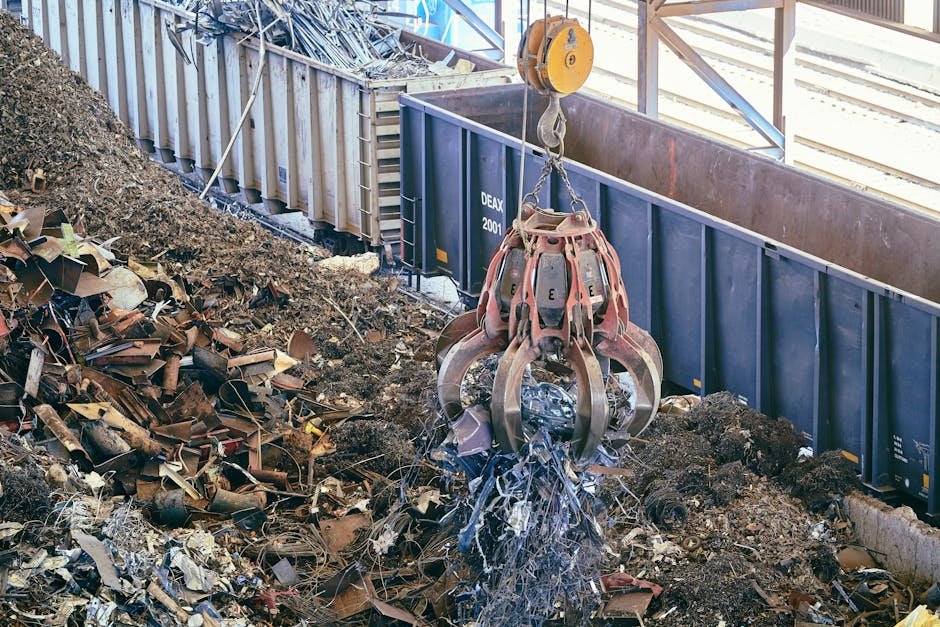

The price for scrap metal in Australia is influenced by global demand, metal grades, and local recycling infrastructure. In 2026, ferrous metals like steel remain the most traded, while non-ferrous metals such as copper and aluminum command higher prices due to their versatility. Understanding how these prices are determined is essential for sellers, recyclers, and sustainability-focused businesses. Below, we break down the current market value per kg, factors affecting costs, and the environmental impact of recycling.
Current Market Value for Scrap Metal in Australia
The price per kg for scrap metal varies significantly by type and purity. As of 2026, the most common rates include:
- Ferrous Metals (iron, steel): $0.10–$0.30/kg
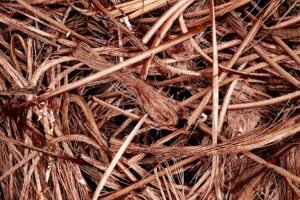
- Non-Ferrous Metals (aluminum, copper): $1.50–$10/kg
- Stainless Steel: $2–$6/kg
- Brass: $3–$8/kg
These current scrap prices are benchmarked against international markets and adjusted for local supply and demand. For real-time updates, visit Scrap Trade’s price index.
Factors Affecting Scrap Metal Prices
The price per kg is determined by several interrelated factors:
- Global Demand: China’s infrastructure projects and EU green policies heavily influence prices.
- Raw Material Costs: Higher iron ore prices reduce steel recycling rates.
- Environmental Regulations: Stricter recycling laws in Australia increase processing costs.
- Contamination Levels: Impurities like lead or oil contamination reduce the market rate by 10–30%.
For example, copper prices surged 25% in 2025 due to EV production demands, while steel prices stabilized post-2023 due to overstocking.
Grades of Scrap Metal and Their Value
Scrap metal is categorized into grades based on purity and usability:
- Ferrous Grades: Shear steel ($0.25/kg) vs. heavy melting steel ($0.15/kg).
- Non-Ferrous Grades: OFHC copper ($9/kg) vs. red brass ($5/kg).
- Specialty Alloys: Inconel ($50/kg) and Monel ($40/kg) for aerospace applications.
Working with certified recyclers ensures accurate grading. For a detailed list, refer to metal scrap price databases.
How Scrap Metal Recycling Works
The recycling process involves four stages:
- Collection: Use mobile apps like Sell Scrap Metal Near Me In 2026 to locate nearby collection points.
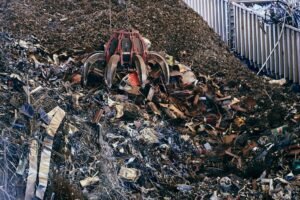
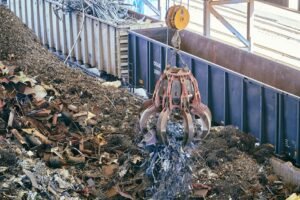
- Sorting: Ferrous metals are separated using magnets, while non-ferrous metals require XRF scanners.
- Processing: Shredding, baling, and melting to remove contaminants.
- Refining: Purified metals are sold to manufacturers for new products.
Efficient sorting increases the price per tonne by 15–20%. For local services, see Scrap Metal Recycling Near Me.
Environmental Benefits of Recycling Scrap Metal
Recycling reduces carbon emissions by 70% compared to mining new ore. Key benefits include:
- Energy Savings: Recycling aluminum uses 95% less energy than producing new aluminum.
- Landfill Reduction: Australia generates 15 million tonnes of metal waste annually; recycling 90% saves 40 landfills per year.
- Resource Conservation: Recycling 1 tonne of copper preserves 10 tonnes of ore.
The Australian government’s Plastic and Packaging Waste Fund now includes incentives for metal recyclers. Explore ScrapTrade for eco-friendly disposal options.
Practical Tips for Maximizing Scrap Metal Value
Follow these actionable steps:
- Research Daily Rates: Track metal prices today via the Scrap Trade platform.
- Sort Materials: Separate non-ferrous metals for higher price per kg (e.g., copper vs. steel).
- Remove Contamination: Clean metals with a pressure washer to avoid price deductions.
- Use Reputable Recyclers: Verify certifications like ISO 14001 for fair pricing.
For instant quotes, use the Sell Scrap Metal Near Me In 2026 tool.
Future Trends in Scrap Metal Pricing
Emerging trends include:
- EV Battery Recycling: Lithium and cobalt prices are expected to rise 40% by 2027.
- AI-Powered Grading: Machine learning improves contamination detection, increasing scrap price of metal accuracy.
- Green Steel Incentives: Governments may subsidize ferrous recycling to meet net-zero targets.
Stay ahead with Scrap Trade’s monthly market reports.
Conclusion
The price for scrap metal in Australia is a dynamic market influenced by global trends, environmental policies, and technological advancements. By understanding current market rates and recycling processes, businesses and individuals can optimize their returns while contributing to sustainability goals. Regularly check scrap price of metal updates and leverage local recycling networks to stay competitive.
Frequently Asked Questions
What’s the current price for scrap metal in Australia?
In 2026, ferrous metals range from $0.10–$0.30/kg, while non-ferrous metals like copper can reach $10/kg. Check current prices for real-time updates.
How do global markets affect local scrap metal prices?
Global demand for metals like copper in electric vehicles and construction projects directly impacts Australian prices. Visit ScrapTrade for international market insights.
What’s the best way to sell scrap metal for top prices?
Sort metals by type and purity, remove contaminants, and use platforms like Sell Scrap Metal Near Me In 2026 to connect with certified recyclers.
Why do non-ferrous metals cost more than ferrous metals?
Non-ferrous metals like copper and aluminum are more valuable due to their conductivity and resistance to corrosion. Their price per kg reflects higher demand in electronics and renewable energy sectors.