
Navigating the volatile landscape of the Australian recycling industry requires a clear understanding of the price for scrap steel per ton. Whether you are a construction contractor, a demolition expert, or a hobbyist recycler, knowing how to value your ferrous metal assets is essential for maximizing profitability. In this guide, we will break down the complex mechanics of the steel market, explain how to identify different grades, and provide actionable insights into the recycling process.
Understanding How the Price for Scrap Steel Per Ton is Determined
The global steel market is a complex ecosystem driven by supply and demand, industrial output, and geopolitical stability. When you inquire about the price for scrap steel per ton, you are essentially tapping into a commodity market that mirrors the price of iron ore and coal. Steel mills are the primary drivers of this market; they require high-quality scrap to feed electric arc furnaces (EAFs) and basic oxygen furnaces (BOFs). When industrial production in China or Southeast Asia surges, demand for Australian scrap increases, pushing up the price per tonne.
Locally, the steel scrap price today is heavily influenced by logistics. Because steel is heavy and bulky, transport costs represent a significant portion of the final value. If you are located far from major ports or smelting facilities, your net return will be lower due to the cost of freight. Furthermore, the quality of your scrap matters immensely. Clean, processed steel—free of contaminants like plastic, rubber, or non-ferrous metals—commands a premium. For a deeper dive into the valuation process, you can consult our Scrap Steel Price Per Kg A Complete Guide For Sellers to ensure you are preparing your materials correctly.
The Core Grades of Scrap Steel
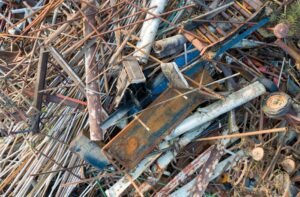
Not all steel is created equal. In the recycling industry, steel is broadly categorized as ferrous metal, which means it contains iron and is magnetic. However, within this category, there are specific grades that dictate the value you receive at the weighbridge.
- Heavy Melting Steel (HMS): This is the industry standard. It consists of structural steel, beams, and heavy plate. It is highly sought after because it is dense and easy to melt.
- Mild Steel: This is a low-carbon steel, common in construction and automotive parts. It is versatile but generally commands a lower price than specialized alloys.
- Sheet Metal: This includes thinner steel products like roofing, car body panels, and appliances. Because it has a lower density, it is more expensive to transport and process, which often reflects in a lower price per kg compared to heavy structural steel.
- Stainless Steel: While technically a ferrous alloy, it contains chromium and nickel, making it significantly more valuable. For specific pricing on these materials, refer to our Stainless Steel Scrap Price page.
Understanding these grades is the first step in ensuring you aren’t being underpaid. When you separate your scrap by grade before arriving at a recycling facility, you demonstrate to the buyer that you are a professional, which can often lead to better negotiation outcomes.
Factors Affecting the Current Scrap Prices
Why do metal prices today change so frequently? The answer lies in a combination of macro and microeconomic factors. Firstly, the global steel price per tonne is pegged to the cost of raw materials. If the cost of iron ore rises, steel producers look to scrap as a cost-effective alternative, driving up demand for recycled steel. Conversely, when the economy slows, construction projects are delayed, and the demand for new steel drops, leading to a surplus of scrap and a subsequent price dip.
Another critical factor is the exchange rate. Australia is a major exporter of scrap metal. When the Australian Dollar (AUD) is weak against the US Dollar (USD), our exports become more competitive, which can push up the local price for scrap steel per ton. To stay ahead of these fluctuations, it is vital to monitor the Scrap Price Forecast Guide, which provides insights into potential market shifts based on current industrial trends and export data.
Finally, environmental regulations play a massive role. As countries mandate higher recycled content in new products, steel mills are under pressure to use more scrap. This long-term trend is a positive tailwind for the recycling industry, though it does not eliminate short-term volatility. For those tracking the most recent trends, checking the scrap steel cost per ton regularly is the best way to time your sales for maximum return.
How the Recycling Process Works
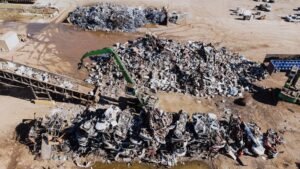
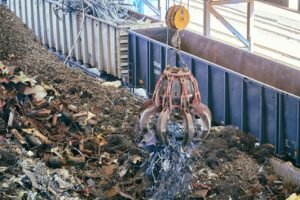
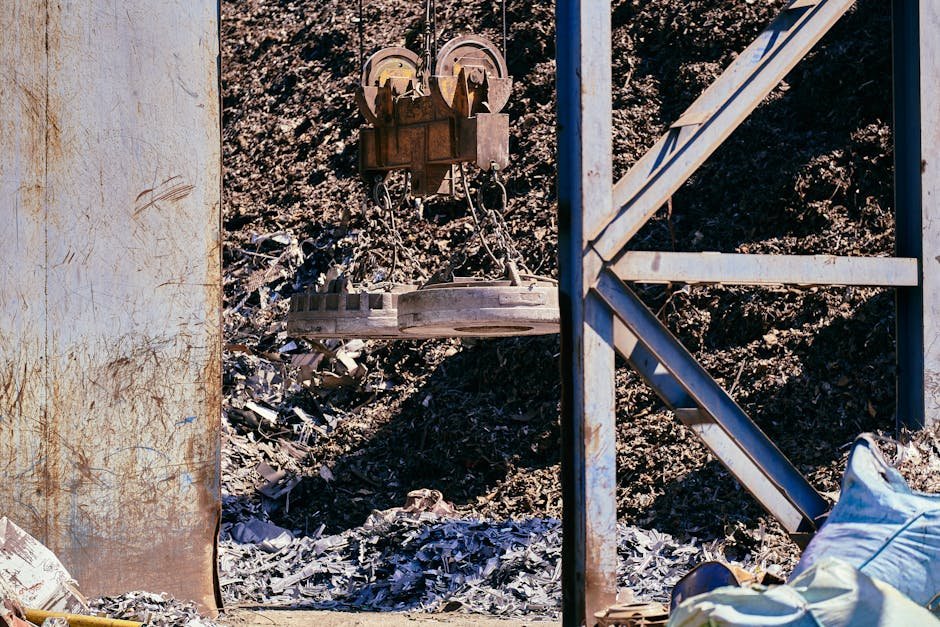
The transformation of a rusty beam into a new structural component is a marvel of industrial engineering. When you drop off your scrap, it undergoes a rigorous process of sorting, cleaning, and processing. First, the material is weighed to determine the base value. Then, it is sorted by grade. Powerful magnets are used to separate ferrous metal from non-ferrous materials like aluminium or copper.
Once sorted, the steel is shredded or sheared into smaller, uniform pieces. This increases the surface area, making it easier to melt in the furnace. The shredded scrap is then sent to a furnace where it is melted at temperatures exceeding 1,500 degrees Celsius. Impurities are skimmed off, and the molten steel is cast into billets, blooms, or slabs. These are the “raw” materials for new construction projects. By participating in this cycle, you are directly contributing to a circular economy. If you are looking for a reliable partner to manage your scrap logistics, visit the official Scrap Trade platform to find verified buyers.
Environmental Benefits of Steel Recycling
Recycling steel is one of the most effective ways to reduce industrial carbon footprints. Producing steel from virgin iron ore is an energy-intensive process that requires mining, crushing, and massive blast furnaces. In contrast, recycling steel consumes approximately 75% less energy than producing new steel from raw materials. Furthermore, every tonne of steel recycled saves over a tonne of iron ore, 600kg of coal, and 50kg of limestone.
Beyond energy savings, recycling prevents millions of tonnes of waste from entering landfills annually. As an Australian business or individual, your participation in the recycling market helps preserve our natural landscapes and reduces the environmental burden of mining. For comprehensive details on how local recycling centers operate, you can visit Scrap Trade Australia to learn about industry standards and sustainable practices in our region.
Practical Tips for Sellers
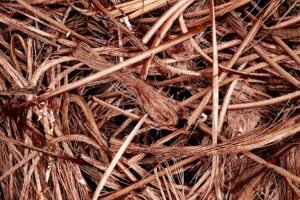
To maximize your return, preparation is key. Do not mix your metals. A pile of mild steel contaminated with copper wiring or plastic will be downgraded to “mixed scrap,” which fetches the lowest possible price. Always remove non-metallic attachments, such as rubber seals or plastic handles, if possible. If you are dealing with large volumes, consider investing in a basic scale so you can verify the weight of your loads before you reach the recycling center.
Building a relationship with a local yard is also highly recommended. If you are a consistent supplier of high-quality, sorted scrap, you may be able to negotiate a “top-tier” price that is higher than the standard public rate. Always keep an eye on the steel scrap price today to ensure your expectations align with the current market reality. Remember, the market is dynamic, and timing your sales during peak demand periods can significantly improve your bottom line.
The Future of the Steel Market
As we look toward a more sustainable future, the role of scrap steel will only become more critical. With global initiatives aimed at reaching net-zero emissions, the steel industry is transitioning toward “Green Steel.” This involves using hydrogen-based reduction and renewable energy to power furnaces. These technologies rely heavily on high-quality scrap inputs. Consequently, we expect the demand for clean, sorted, and processed steel to remain robust over the coming decade. Staying informed through resources like our site will ensure you remain a profitable participant in this evolving industry.
Conclusion
The price for scrap steel per ton is more than just a number; it is a reflection of global economic health, industrial demand, and environmental stewardship. By understanding the factors that influence market rates, properly grading your materials, and engaging with reputable buyers, you can turn your scrap into a significant revenue stream. Whether you are dealing with sheet metal or heavy structural steel, knowledge is your most valuable tool. Keep monitoring the market, refine your sorting processes, and contribute to a more sustainable Australia by keeping metal in the loop.
Frequently Asked Questions
What is the most valuable type of scrap steel?
While standard ferrous scrap is common, stainless steel is generally the most valuable due to its nickel and chromium content. Always check the current market rates for alloys versus standard mild steel.
How can I get a better price for my scrap steel?
The best way to increase your returns is to sort your scrap by grade and remove all contaminants like plastic, wood, and rubber. Clean, sorted loads are highly prized by recyclers and often fetch a premium price.
Does the location of the scrap yard affect the price?
Yes, logistics play a major role in the final price per tonne. Yards closer to major ports or smelting facilities have lower transport costs, which often allows them to offer more competitive rates to sellers.
How often do scrap steel prices change?
Scrap metal prices can fluctuate daily or weekly based on global commodity markets, exchange rates, and local industrial demand. It is advisable to check current pricing just before you plan to sell.