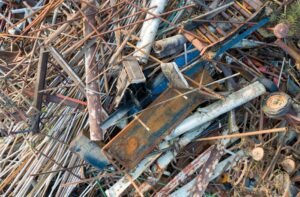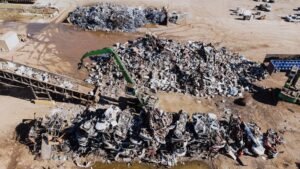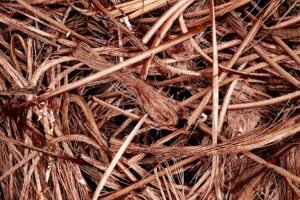

Understanding the price of scrap aluminum per kg is the first step for any business or individual looking to maximize the value of their metal waste. As Australia’s industrial landscape shifts toward a circular economy, aluminum has emerged as one of the most valuable commodities in the recycling sector. Because aluminum is infinitely recyclable without losing its structural integrity, the demand for high-quality scrap remains consistently high. Whether you are dealing with industrial offcuts or post-consumer goods, knowing how to value your material is essential for profitability.
How Global Market Forces Influence Aluminum Prices
The global aluminum market is complex, driven by supply chain dynamics, energy costs, and industrial output. The base price of scrap aluminum per kg is fundamentally anchored to the London Metal Exchange (LME). When you look at metal prices today, you are essentially seeing a reflection of the LME spot price, adjusted for regional logistics, processing costs, and local demand in Australia. Several factors contribute to these daily fluctuations:
- Energy Costs: Aluminum smelting is an energy-intensive process. When electricity prices rise, the cost of producing primary aluminum (virgin metal) increases, which in turn drives up the value of recycled aluminum.
- Industrial Demand: The automotive, construction, and aerospace sectors are the largest consumers of aluminum. High activity in these sectors leads to increased demand for scrap, pushing prices upward.
- Currency Exchange Rates: Since aluminum is traded globally in USD, the strength of the Australian Dollar (AUD) plays a critical role in the final price paid to local suppliers.
- Logistics and Freight: The cost of transporting scrap from collection points to processing facilities is a significant overhead. Fuel prices and regional infrastructure impact the net price a recycler can offer.
For those looking to stay ahead of the curve, our Scrap Price Forecast Guide provides deep insights into how these macro-economic indicators translate into local market behavior. Understanding these movements is vital for anyone holding large inventories of metal, as timing your sale can significantly influence your bottom line.
Understanding Aluminum Grades and Their Value
Not all aluminum is created equal. The price of scrap aluminum per kg is heavily dictated by the grade of the material. Recyclers categorize scrap based on its chemical composition, level of contamination, and physical form. Proper sorting is the single most effective way to ensure you receive the best possible aluminum scrap value.
Common Aluminum Grades:
- Aluminum Extrusion: Often found in window frames and doors, this is high-quality 6063 or 6061 alloy. It is clean, free of attachments, and commands a premium price.
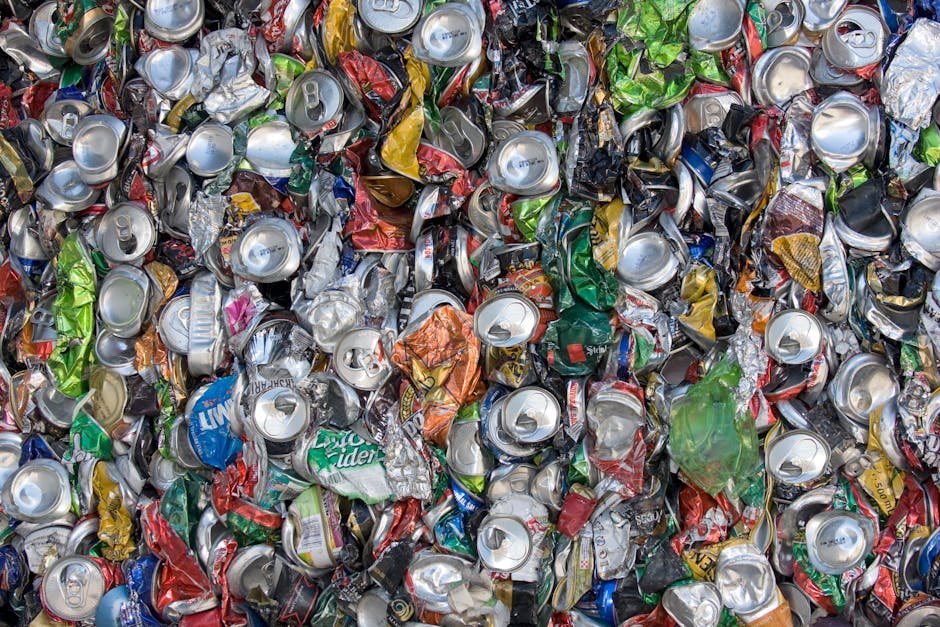
- Aluminum Cans (UBC): Used beverage cans are a high-volume commodity. While individual cans have a lower weight, they are highly sought after due to the ease of melting and re-processing.
- Cast Aluminum: Found in engine blocks, transmission housings, and lawnmower decks. This grade often contains impurities like iron or silicon, which impacts the refining process.
- Mixed/Dirty Aluminum: This category includes scrap with plastic, rubber, or steel attachments. Because this requires additional labor to process, the price per tonne is significantly lower than clean, sorted material.
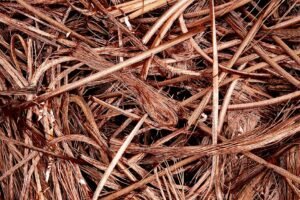
- Aluminum Wire: Often stripped or clean, this grade is highly valued for its conductivity and purity.
To ensure you are getting the best deal, always separate your materials. Mixing high-grade extrusion with low-grade cast aluminum will result in the entire batch being valued at the lowest common denominator. For more granular details on specific metal categories, you can explore our resources on Stainless Steel Scrap Price to see how other metals compare in the current market.
The Recycling Process: From Scrap to Secondary Metal
The journey of aluminum from a discarded product to a new industrial component is a marvel of modern engineering. The process begins at a professional facility like Scrap Trade Australia, where incoming material is weighed, inspected, and sorted. The efficiency of this process is what makes the recycling price for aluminum so competitive compared to other commodities.
Step-by-Step Recycling Lifecycle:
- Collection and Sorting: Advanced technology, including X-ray fluorescence (XRF) analyzers and eddy current separators, is used to identify alloys and remove non-metallic contaminants.
- Shredding: The aluminum is shredded into small pieces, which increases the surface area for the melting process and helps remove coatings or labels.
- De-coating: The shredded material passes through a decoating furnace to remove paints, oils, and other organic contaminants.
- Melting: The clean scrap is melted in a furnace at approximately 700°C. During this stage, alloying elements may be added to achieve specific metallurgical properties.
- Casting: The molten metal is cast into ingots, billets, or slabs, which are then sold back to manufacturers to create everything from new car parts to beverage cans.
This closed-loop system is highly sustainable. Recycling aluminum requires 95% less energy than producing new metal from bauxite ore. By participating in this system, you are not only earning money but also contributing to a significant reduction in carbon emissions.
Environmental Benefits and Sustainability
The environmental case for recycling aluminum is undeniable. As we look toward the future, specifically considering the Aluminum Scrap Price In 2026, we expect sustainability mandates to play an even larger role in pricing. Aluminum is a permanent material; it does not degrade in quality regardless of how many times it is melted down.
By recycling, we save massive amounts of electricity and prevent the destructive mining of bauxite. Furthermore, recycling reduces the volume of waste sent to landfills. For companies, engaging in a professional recycling program is a key component of ESG (Environmental, Social, and Governance) reporting. When you use a platform like Scrap Trade to manage your metal waste, you are choosing a partner dedicated to transparent, ethical, and efficient recycling practices.
Practical Tips for Maximizing Your Scrap Returns
If you want to get the most out of your scrap, preparation is key. Here are expert strategies to ensure you receive the highest possible payout for your materials:
- Keep it Clean: The presence of “attachments” is the biggest killer of scrap value. Remove steel bolts, plastic trim, and rubber gaskets from your aluminum extrusions before heading to the yard.
- Sort by Grade: Don’t dump everything into one bin. Keep your wire separate from your cast, and your cast separate from your extrusions.
- Volume Matters: Larger, consistent volumes of scrap are more attractive to buyers. If you are a business, consider establishing a scheduled pickup service to reduce handling costs.
- Monitor the Market: Metal prices today are volatile. If you have a significant stockpile, keep an eye on the recycling price for aluminum trends and sell when the market is peaking.
- Build Relationships: Working with a reputable, licensed scrap metal merchant ensures you are paid fair market rates and that your material is being handled in compliance with environmental regulations.
By treating your scrap as a valuable inventory asset rather than trash, you shift the dynamic from a cost-center to a revenue stream. Always ask your buyer for the current price per tonne for your specific grade to ensure transparency in the transaction.
The Future of Aluminum Recycling in Australia
The Australian scrap metal industry is undergoing a digital transformation. With the rise of online trading platforms, sellers have more access to real-time data than ever before. This transparency is forcing the industry to standardize pricing and improve processing efficiency. Looking ahead, the integration of blockchain and AI in the recycling supply chain will likely make it easier to trace the origin of recycled aluminum, further increasing its value as “green aluminum” for manufacturers looking to reduce their carbon footprint.
As we move toward 2026 and beyond, the demand for recycled content in consumer products will only grow. Legislative changes, such as extended producer responsibility schemes, will further incentivize the recycling of aluminum cans, automotive components, and construction materials. For the savvy seller, this means the long-term outlook for scrap metal remains strong. Whether you are a small workshop or a large industrial firm, staying informed about the price of scrap aluminum per kg and the evolving recycling landscape will ensure you remain profitable in a changing economy.
In conclusion, the scrap aluminum market is a vital component of the Australian economy, offering significant financial and environmental rewards. By understanding how prices are set, diligently sorting your grades, and partnering with professional recyclers, you can turn your waste into a valuable resource. Remember that the market is dynamic, and staying educated through expert resources is the best way to navigate the fluctuations in the price of scrap aluminum per kg. Whether you are recycling a few kilograms or several tonnes, every piece counts toward a more sustainable and profitable future.
Frequently Asked Questions
How often does the price of scrap aluminum change?
Aluminum prices fluctuate daily based on global LME market activity, currency exchange rates, and local supply and demand. It is recommended to check current prices on the day of sale for the most accurate quote.
Does the color or paint on aluminum affect the price?
Yes, painted or coated aluminum is often considered ‘dirty’ or ‘contaminated’ compared to clean, mill-finish extrusion. This may result in a lower price per kilogram because the paint must be removed during the thermal processing stage.
What is the difference between aluminum extrusion and cast aluminum?
Aluminum extrusion is typically high-purity alloy used in structural applications like window frames, while cast aluminum is often used in engine parts and contains higher levels of silicon or other impurities. Extrusion generally commands a higher price due to its purity.
How do I get the best price for my aluminum scrap?
To get the best price, ensure your scrap is clean, free of non-aluminum attachments like steel or plastic, and sorted by grade. Selling in larger, consistent volumes also helps you negotiate better rates with your local scrap merchant.