
The current price of scrap copper is the first question every Australian recycler, plumber, electrician or demolition contractor asks before heading to the yard. Copper is the red metal that drives the scrap industry, and its daily value sets the benchmark for most other non-ferrous metals. This authoritative guide explains how the Australian market works, how to maximise returns, and why recycling copper is one of the smartest environmental moves you can make.
1. How Scrap Copper Prices Are Set in Australia
Scrap copper is a globally-traded commodity, but the price you receive at the gate is influenced by a chain of reference points:
- London Metal Exchange (LME) Grade-A copper cathode contract – the world benchmark, quoted in US dollars per tonne.
- COMEX copper futures – adds volume and volatility, especially when funds flow into or out of industrial metals.
- FX rate AUD/USD – because the LME price is converted into Australian dollars for local settlement.
- Regional supply & demand – when Queensland floods disrupt rail haulage, or when Victorian infrastructure projects peak, premiums or discounts appear.
- Yard processing costs – freight, energy, labour, compliance and the cost of financing inventory.
Dealers update copper price per kg boards twice daily in Sydney, Melbourne, Brisbane and Perth to reflect these variables. The published rate is always for “delivered, unloaded, sorted” material; if your load is mixed, wet or contaminated, expect a lower price. To track copper scrap price per kg in real time, use an online trading platform that syncs directly with major yards.
2. Copper Scrap Grades and What They’re Worth
Not all copper is equal. Australian yards classify material into four common grades:
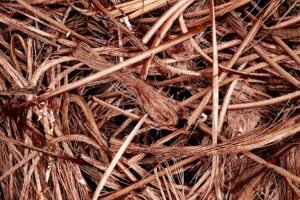
Bare Bright Copper
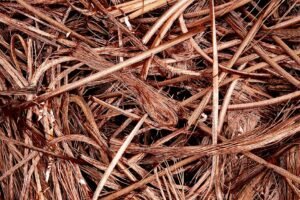
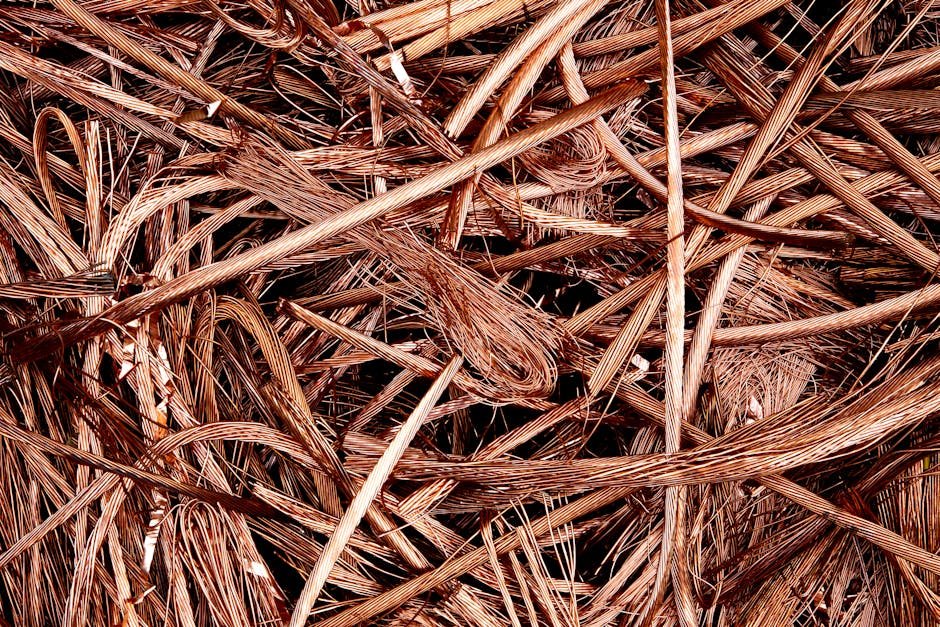
Clean, unalloyed, uncoated copper wire & bus bar ≥ 1.5 mm thick. No oxidation, solder or paint. This is the premium grade and currently trades at the top end of the current price of scrap copper range.
Number 1 Copper
Clean copper pipe, bus bar or off-cuts with minimal surface tarnish. No brass fittings, seals or insulation. Usually 3–5 % below bare bright.
Number 2 Copper
Painted, soldered or lightly oxidised copper pipe, wire with plastic insulation, or solids contaminated with < 5 % other metals. Trades 10–15 % below number 1.
Copper Alloy (Burnt/Contaminated)
Coated windings, radiators mixed with brass, or burnt wire that has been ‘cleaned’ by fire. Price is negotiated case-by-case and can fall 25–40 % below bare bright.
Always separate your material before you weigh in; five minutes with a cordless Sawzall can lift your return by $200–$300 per tonne. For help identifying grades, see our Copper Scrap Group page which contains photos and yard specifications.
3. Current Scrap Prices in Major Cities (Updated June 2024)
Below are indicative gate-in prices for June 2024. All prices are AUD per kg, ex-GST, paid via EFT same-day:
| Grade | Sydney | Melbourne | Brisbane | Perth |
|---|---|---|---|---|
| Bare Bright | $11.20 | $11.10 | $11.00 | $11.15 |
| Number 1 | $10.60 | $10.50 | $10.40 | $10.55 |
| Number 2 | $9.20 | $9.10 | $9.00 | $9.15 |
| Copper Alloy | $7.50 | $7.40 | $7.30 | $7.45 |
Markets move daily; for live data check copper scrap price sydney or follow our Telegram alerts. If you hold material and prices spike, most yards will let you book a forward price, locking in today’s rate for delivery within seven days.
4. Factors That Move Copper Prices Week-to-Week
- Chinese smelter buying – China refines 55 % of the world’s copper. When Yangshan import premiums rise, Australian scrap is diverted to containers, tightening local supply and pushing metal prices today higher.
- U.S. dollar strength – copper is priced in USD; when the AUD weakens, local converters pay more in Australian currency to secure the same tonne.
- Escondida or Grasberg supply disruptions – any strike, earthquake or government policy change at a major mine shifts sentiment within minutes.
- Energy prices – smelting copper is power-intensive. When Queensland coal or WA gas prices spike, downstream processors raise their refining charges, effectively lowering the price they pay for scrap.
- Seasonal demolition flows – December–February produce high volumes of copper wire from school and shopping centre refurbishments; prices often soften 2–3 % as yards fill up.
Understanding these levers lets you decide whether to sell now or stockpile until the next uptick. Traders who watch the London–Shanghai arbitrage can sometimes pocket an extra 20–30 c/kg by timing the container market.
5. How Copper Recycling Works – From Kerbside to Cathode
Recycling copper uses 85 % less energy than mining, and the metal can be re-melted infinitely without losing conductivity. Here is the step-by-step journey:
Stage 1: Collection & Sorting
Electricians throw short ends of copper wire into 200 L drums; plumbers drop off off-cuts of copper pipe; demolition contractors feed mixed material into 30 m³ bins. At the yard, handheld XRF guns grade each piece in seconds.
Stage 2: Processing
Bales are sheared into 30 cm lengths, then fed through granulators that separate plastic insulation from metal. Water tables separate heavy copper from light aluminium.
Stage 3: Smelting & Anode Casting
The clean granules are melted in a 1 200 °C induction furnace, oxygen is blown to remove sulfur and other impurities, and molten copper is cast into 350 kg anodes.
Stage 4: Electrolytic Refining
Anodes are suspended in sulfuric acid electrolyte; pure copper plates out as 99.99 % cathode sheets ready for rod mills or export.
Every tonne of recycled copper saves 200 t of rock waste and avoids 3.5 t of CO₂-equivalent emissions. For a deeper dive into environmental reporting, visit Australia’s live scrap metal marketplace.
6. Practical Tips to Maximise Cash for Your Copper
- Strip early, not late – removing PVC insulation while wire is still flexible saves time and boosts you into the bare bright bracket.
- Keep it dry – wet copper is downgraded because moisture adds weight and can explode in the furnace.
- Separate alloys – a single brass fitting can shift an entire drum from number 1 to number 2.
- Weigh in the morning – most yards update prices at 10 am; arriving early locks in yesterday’s rate if the market opened stronger.
- Bundle small off-cuts – yards hate picking up thousands of 2 cm pieces; a quick tack-weld into a 5 kg block keeps everyone happy.
- Negotiate freight – if you deliver more than 3 t, ask for a back-loading rate or a free bin swap.
If you are unsure where to start, read our step-by-step guide: Scrap Copper Near Me Where To Sell Copper Scrap For The Best Price.
7. Environmental and Economic Benefits of Copper Recycling
Australia mines 870 kt of new copper annually, yet we discard 85 kt in landfill. Capturing that waste stream would:
- Cut 300 kt of CO₂, equal to taking 65 000 cars off the road.
- Save 1.2 TWh of electricity, enough to power every home in Adelaide for nine months.
- Reduce the need to open new mines in fragile regions like the Tarkine.
Businesses that embrace copper recycling also insulate themselves from volatile LME swings; secondary metal is typically 10–15 % cheaper than primary cathode, allowing manufacturers to hedge input costs while marketing greener products. Government incentives such as the NSW Circular Materials fund and Victoria’s Recycling Modernisation Fund provide grants of up to $3 M for plants that process > 10 kt of non-ferrous scrap per year.
8. Comparing Copper With Other Scrap Metals
Copper is the bellwether, but smart traders watch the full spectrum. Today:
- Aluminium domestic extrusion is trading at $2.20/kg.
- Stainless Steel Scrap Price 304 solids at $2.00/kg.
- Brass turnings at $5.10/kg.
When copper spikes, substitution accelerates—engineers specify larger aluminium cables or stainless heat exchangers—so keeping an eye on cross-metal ratios improves your sell timing.
9. Digital Platforms and Payment Security
Gone are the days of cash in a paper bag. Australian anti-money-laundering rules require scrap yards to pay by EFT or cheque above $1 000 and to record photo ID. Digital platforms such as Instant copper scrap price alerts send you SMS notifications the moment the bid changes, and funds settle into your account before the truck leaves the weighbridge.
10. Forward Contracts and Risk Management
Large demolition contractors sometimes generate 50–100 t of copper over six months. By booking a forward contract on the platform, you can lock in today’s current scrap prices for delivery in 90 days, eliminating downside risk. The mechanism is simple: the platform buys your future delivery at an agreed price and hedges the exposure on the LME; if the market falls, you are protected; if it rises, you forgo the upside but gain certainty for cash-flow forecasting.
11. Case Study: 25-Tonne Cable Strip in Western Sydney
In March 2024 a data-centre upgrade generated 25 t of 4-core 95 mm² armoured cable. The contractor had two choices: sell as-is for $6.80/kg or strip and sell bare bright for $11.10/kg. By hiring a 250 kW granulator for $1 200 per day and employing two labourers for eight days, they produced 22.3 t of clean copper. Net gain: $94 000 minus $12 000 processing cost = $82 000 uplift—enough to fund the remainder of the fit-out.
12. Frequently Asked Questions About Copper Scrap
Below are the four questions we field every week.
Is now a good time to sell my copper scrap?
If Sydney bare bright is above $11/kg and the Shanghai premium is > $120/t, the trend is usually bullish; below $9.50/kg the risk tilts to the downside, so consider holding or using a forward contract.
How do I know if my copper is bare bright or number 2?
Scratch the surface with a key; if the metal underneath is salmon-pink and shiny, and more than 1.5 mm thick with no coating, you have bare bright. Green oxidation or solder joints drop you to number 2.
Can I get cash on the spot?
Anti-money-laundering law prohibits cash payments above $1 000. For smaller lots, yards can pay instant transfer via Osko; funds arrive in under 60 seconds.
What is the GST treatment?
If you are a business registered for GST, the yard will quote ex-GST and issue a recipient-created tax invoice; private sellers receive the quoted price as is, with no GST added.
Conclusion
Understanding the current price of scrap copper is more than checking a number on a whiteboard. It involves watching global futures, currency moves, smelter demand, grading your material correctly, and choosing the right time and place to sell. With Australia’s push toward a circular economy, copper recycling is both a profitable and planet-positive activity. Bookmark this guide, set up price alerts, and turn your red metal into real money while keeping CO₂ out of the sky.
Frequently Asked Questions
Is now a good time to sell my copper scrap?
If Sydney bare bright is above $11/kg and the Shanghai premium is > $120/t, the trend is usually bullish; below $9.50/kg the risk tilts to the downside, so consider holding or using a forward contract.
How do I know if my copper is bare bright or number 2?
Scratch the surface with a key; if the metal underneath is salmon-pink and shiny, and more than 1.5 mm thick with no coating, you have bare bright. Green oxidation or solder joints drop you to number 2.
Can I get cash on the spot?
Anti-money-laundering law prohibits cash payments above $1,000. For smaller lots, yards can pay instant transfer via Osko; funds arrive in under 60 seconds.
What is the GST treatment?
If you are a business registered for GST, the yard will quote ex-GST and issue a recipient-created tax invoice; private sellers receive the quoted price as is, with no GST added.