
Understanding the price of scrap iron per ton is essential for anyone involved in industrial waste management, construction, or demolition. As a primary component of the global economy, iron recycling plays a vital role in reducing the environmental footprint of heavy industry. Whether you are a small-scale contractor or a large demolition firm, tracking the price of scrap iron per ton allows you to optimize your revenue and manage your waste streams effectively. In this guide, we explore the complexities of the ferrous metal market, the grading systems used by recyclers, and the macroeconomic factors that dictate the price of scrap iron per ton in the modern Australian landscape.
How Global Market Forces Influence Iron Prices
The iron and steel industry is inherently global. Consequently, the price of scrap iron per ton is rarely determined by local supply alone. Instead, it is heavily influenced by the demand from major steel-producing nations, primarily China, India, and Japan. When global infrastructure projects ramp up, the demand for iron ore and recycled steel spikes, driving up the cost of raw materials. Conversely, economic downturns or trade tariffs can lead to a surplus, causing a significant dip in current scrap prices.
In Australia, local recyclers must balance international benchmarks with domestic logistics. Transporting heavy ferrous materials to port facilities is a major cost factor. If you want to stay ahead of these trends, consult our Scrap Price Forecast Guide to understand how seasonal shifts and geopolitical events impact your bottom line. Furthermore, the iron price per kg is often adjusted based on the distance from the collection point to the processing mill. Heavy iron is expensive to move, meaning proximity to a major processing hub often yields a better return for the seller.
Understanding Ferrous Scrap Grades and Classifications
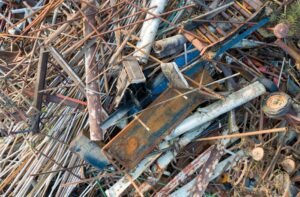
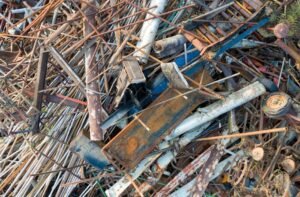
Not all iron is created equal. To get the best price per kg, you must understand how recyclers classify material. Ferrous scrap, which contains iron, is categorized based on its chemical composition, size, and level of contamination. The most common grades include:
- Heavy Melting Steel (HMS): This is the “gold standard” of ferrous scrap. It consists of structural steel, beams, and heavy plate that is clean and free of non-metallic attachments.
- Cast Iron: Often found in engine blocks, pipes, and old machinery, cast iron is brittle and has a high carbon content. It is highly sought after for specific foundry applications.
- Wrought Iron: Though less common in modern construction, it remains highly valued for its purity and historical significance in architectural salvage.
- Light Iron/Sheet Metal: This includes thin-gauge materials like appliances, fencing, and roofing. Because it is less dense and harder to melt, it generally commands a lower price per tonne compared to heavy structural steel.
For those dealing with more complex alloys, it is also important to differentiate between standard iron and higher-value metals. For instance, if you are sorting through industrial scrap, you might find stainless components; check the Stainless Steel Scrap Price to ensure you aren’t selling high-value alloys at standard ferrous rates. Proper segregation is the single most effective way to increase your payout. Mixing “dirty” scrap (containing plastic, wood, or concrete) with clean iron will result in significant deductions at the weighbridge.
The Role of the Iron Scrap Group in Market Stability
The Iron Scrap Group plays a pivotal role in standardizing the quality of materials entering the supply chain. By adhering to industry-standard specifications, these groups ensure that mills receive consistent, high-quality feedstock. This consistency is crucial for the efficiency of electric arc furnaces (EAFs), which are increasingly replacing traditional blast furnaces to reduce carbon emissions. When you supply clean, sorted material, you are not just getting a better price per kg; you are supporting a more efficient, circular economy.
At Scrap Trade Australia, we advocate for transparent pricing models. Sellers who work with reputable aggregators benefit from market insights that help them time their sales for maximum profit. If you are comparing offers, always ask for the current price of scrap metal per ton to ensure your quote is based on the most recent market data. You can find more comparative data regarding the price for scrap steel per ton to further refine your understanding of the market hierarchy.
How Scrap Metal Recycling Works: From Yard to Mill
The recycling process is a sophisticated industrial operation. Once ferrous scrap is collected, it undergoes a series of steps to prepare it for the furnace:
- Collection and Weighing: Scrap is weighed upon entry to the facility to determine the gross weight.
- Sorting and Inspection: Using magnets, X-ray fluorescence (XRF) analyzers, and manual inspection, recyclers remove contaminants and separate different grades of iron.
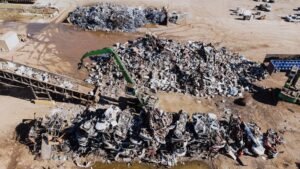
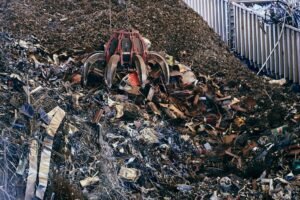
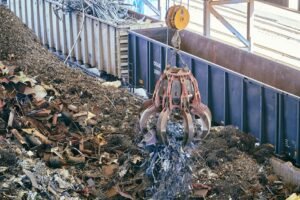
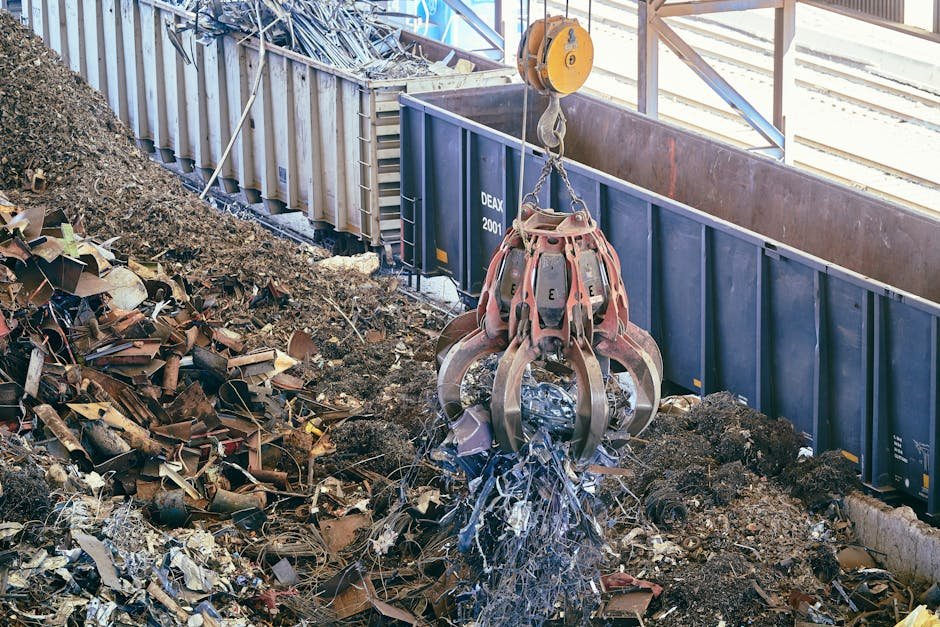
- Processing (Shearing and Shredding): Large pieces are cut with hydraulic shears or fed into massive shredders to reduce them to uniform sizes. This increases the density of the material, making it easier to transport and melt.
- Baling: Smaller, lighter pieces are compressed into dense blocks (bales) to optimize shipping capacity.
- Smelting: The processed scrap is sent to a steel mill, where it is melted down and recast into new steel products, such as beams for construction or automotive parts.
By recycling iron, we drastically reduce the energy requirements compared to producing steel from virgin iron ore. This is why the price per tonne is so closely linked to energy costs—the more expensive electricity and coal become, the more valuable recycled iron becomes as an energy-efficient alternative.
Environmental Benefits of Recycling Iron
The environmental impact of recycling iron is profound. Producing steel from recycled scrap requires up to 75% less energy than producing it from raw iron ore. This reduction in energy usage leads to a massive decrease in greenhouse gas emissions. Furthermore, iron is infinitely recyclable; it can be melted down and reformed countless times without losing its structural integrity. This makes it one of the most sustainable materials in the modern world.
By choosing to recycle, you are actively participating in a system that minimizes landfill waste and preserves natural resources. When you check the price of scrap metal per ton, remember that you are also participating in a climate-positive economic activity. Our platform at Scrap Trade is dedicated to promoting these sustainable practices by connecting sellers with responsible recyclers who prioritize ethical processing.
Factors That Affect Your Payout
Beyond the global market, several local factors influence your final payout. First, the volume of material matters. Larger quantities often qualify for better rates because they reduce the per-unit cost of transport and processing. Second, the condition of the metal is paramount. If your scrap is heavily rusted or contains high levels of non-ferrous contaminants, the recycler must factor in the cost of cleaning or disposal, which lowers the price per kg. Third, market timing is everything. Just like stocks, metal prices today change daily. Keeping an eye on the trends can help you decide whether to sell immediately or hold your stock for a better window.
Strategic Tips for Maximizing Scrap Revenue
To maximize your returns, follow these expert strategies:
- Segregation is Key: Never mix ferrous and non-ferrous metals. Keep your cast iron, light steel, and structural steel in separate piles.
- Remove Non-Metal Attachments: If you are selling an old machine, remove the plastic, rubber, and glass components first. The cleaner the load, the higher the grade, and the better the price per tonne.
- Build Relationships: Working with a consistent buyer allows you to negotiate better rates based on your history as a reliable supplier.
- Track the Market: Use our resources to stay informed. When metal prices today are trending upward, it is the ideal time to clear out your yard.
- Understand Logistics: If you have a massive volume, inquire about bin services or collection logistics. Sometimes paying for transport is cheaper than the loss in value caused by poor sorting.
By treating your scrap as a valuable commodity rather than just waste, you can turn a significant profit. Always ensure you are working with licensed facilities that provide accurate weighing and transparent reporting. The industry is moving toward greater digital integration, and platforms like ours are here to ensure you have the data needed to make informed decisions. Whether you are dealing with structural steel or small-scale iron components, the principles of cleanliness, volume, and timing remain the core pillars of a successful scrap strategy. As the world transitions toward a more circular economy, the demand for recycled iron will only continue to rise, solidifying its position as a cornerstone of industrial sustainability.
Conclusion
Navigating the price of scrap iron per ton requires a blend of local knowledge and global market awareness. By understanding the different grades of iron, the importance of clean material, and the macroeconomic forces at play, you can maximize your returns while contributing to a vital environmental cause. Remember that the price per kg you receive is a reflection of the effort you put into sorting and preparing your material. As you continue to engage with the scrap market, keep these insights in mind to ensure you are always getting the best value for your ferrous assets.
Frequently Asked Questions
Why does the price of scrap iron per ton change so frequently?
The price fluctuates based on global demand for steel, energy costs, and the availability of iron ore. Because iron is a global commodity, geopolitical events and large-scale infrastructure projects in major economies directly impact local rates.
How can I get the best price for my scrap iron?
The best way to maximize your return is to keep your scrap clean and well-sorted. Removing non-metallic contaminants like plastic, wood, or concrete ensures your material is classified as a higher grade, which commands a better price per tonne.
What is the difference between cast iron and light iron?
Cast iron is a heavy, brittle material often found in engine blocks or heavy machinery, while light iron generally refers to thin-gauge metals like household appliances or fencing. Cast iron usually commands a higher price due to its density and specific foundry uses.
Do I need a license to sell scrap iron in Australia?
Most scrap yards require valid government-issued identification to process a sale, and some states have specific regulations regarding cash payments to prevent the trade of stolen goods. Always check with your local scrap merchant regarding their specific compliance requirements.