
The current rate for scrap metal is a critical factor for traders, recyclers, and businesses involved in the circular economy. In Australia, scrap metal prices fluctuate based on global commodity markets, local demand, and the type of metal. Whether you’re a small business owner, a demolition contractor, or a DIY enthusiast, understanding these rates ensures you maximize value when selling scrap. This guide breaks down the grades of scrap metal, the recycling process, environmental benefits, and how to stay informed about the current rate for scrap metal.
Grades of Scrap Metal: What You Need to Know
Scrap metal is categorized into grades based on material composition, purity, and usability. The primary classifications include:
- Ferrous Metals: Contain iron and are magnetic. Common grades include:
- Stainless Steel: High-value due to its corrosion resistance.
- Cast Iron: Used in heavy machinery and automotive parts.
- Steel: Divided into sheet steel and heavy steel (e.g., rails, beams).
- Non-Ferrous Metals: Non-magnetic and include:
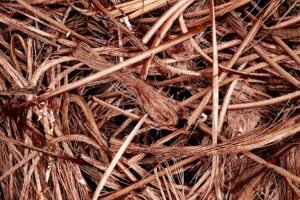
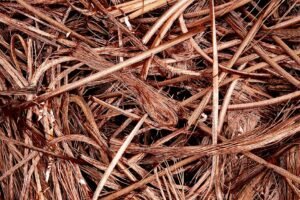
- Copper: High demand in electrical wiring and plumbing.
- Aluminium: Light and versatile, used in packaging and vehicles.
- Brass: Mixture of copper and zinc, common in fittings and musical instruments.
- Other Metals: Includes lead, tin, and precious metals like gold/silver.
Grades like mixed ferrous (contaminated iron) or shredded steel (from vehicles) command different prices. For example, copper wire fetches higher rates than copper scrap due to purity. Always sort metals by grade to secure the best current rate for scrap metal.
How the Scrap Metal Recycling Process Works
Recycling scrap metal is a multi-stage process that ensures materials are reused efficiently. Here’s a step-by-step breakdown:
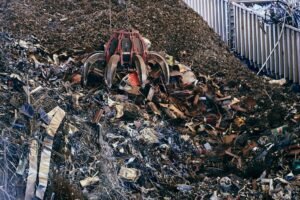
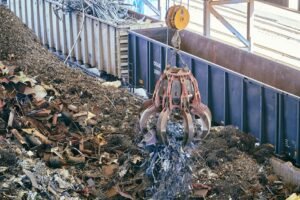
- Collection: Scrap is gathered from sources like demolition sites, manufacturing plants, or households.
- Sorting: Metals are separated by type using magnets, X-ray sorting, or manual inspection.
- Processing: Ferrous metals may be shredded, while non-ferrous metals are baled or melted.
- Refining: Impurities are removed via smelting to create pure metal ingots.
- Reusing: Recycled metals are sold to manufacturers for new products, reducing the need for raw mining.
Advanced technologies like eddy current separators help identify non-ferrous metals more efficiently. The entire process saves energy compared to mining virgin ore—recycling aluminum, for instance, uses 95% less energy than producing new aluminum.
Environmental Benefits of Scrap Metal Recycling
Recycling scrap metal is vital for sustainability. Here’s why:
- Reduces Landfill Waste: Metal accounts for 70% of construction debris. Recycling diverts this waste.
- Lowers Carbon Emissions: Recycling iron saves 0.6 tons of CO₂ per ton of steel produced.
- Conserves Natural Resources: Recycling avoids depleting finite resources like bauxite (for aluminum) or iron ore.
- Energy Efficiency: As mentioned, recycling metals requires significantly less energy than extraction and processing.
Australia’s Scrap Metal Recycling Association estimates that recycling 1 ton of steel saves 2,500 pounds of iron ore and 1,400 pounds of coal. By participating in recycling, individuals and businesses contribute to national sustainability goals.
Practical Tips for Selling Scrap Metal
To secure the best current rate for scrap metal, follow these strategies:
- Research Local Markets: Rates vary by region. Use online tools like scrap.trade to compare prices.
- Clean and Sort: Remove contaminants (plastics, dirt) and separate metals by grade to avoid deductions.
- Track Global Prices: Non-ferrous metals like copper and aluminium are influenced by international markets. Check Scrap Rate India to understand global trends.
- Use Reputable Buyers: Platforms like scraptrade.com.au offer transparent pricing and fair deals.
Current Rate for Scrap Metal in 2026: What to Expect?
As of 2026, the current rate for scrap metal in Australia is shaped by several factors:
- Global Demand: China and India remain top buyers of Australian ferrous scrap.
- Technological Shifts: Increased EV production boosts demand for copper and lithium-containing metals.
- Government Policies: Australia’s Recycling and Waste Reduction Act 2020 mandates higher recycling targets, influencing market dynamics.
For example, the current value of scrap metal in 2026 shows copper at $5.20/kg, stainless steel at $2.10/kg, and mixed ferrous at $0.18/kg. These rates are higher than 2023 due to supply chain bottlenecks and increased industrial activity.
Maximizing Profits: Real-World Examples
Consider the case of Sydney Metal Recycling Co., which boosted profits by 30% in 2025 by:
- Investing in X-ray sorting technology to identify high-value non-ferrous metals.
- Partnering with current value of scrap metal platforms for real-time price tracking.
- Offering pickup services for large-volume sellers, reducing handling costs.
Small businesses can replicate this by leveraging local networks and online tools like current price of scrap metal to stay competitive.
Conclusion: Embrace the Circular Economy
The current rate for scrap metal isn’t just a number—it’s a reflection of economic and environmental priorities. By understanding grades, mastering the recycling process, and acting strategically, you can turn scrap into profit while supporting sustainability. For real-time rates, visit Current Scrap Metal Prices, and explore how platforms like scraptrade.com.au streamline transactions. Every ton recycled is a step toward a greener future.
FAQs
What factors influence the current rate for scrap metal?
Key factors include global commodity prices, local demand, metal purity, and geopolitical events (e.g., trade policies between Australia and China). For example, rising copper demand in India boosts Australian non-ferrous rates.
How can I identify different grades of scrap metal?
Use a magnet to separate ferrous metals. For non-ferrous types, test conductivity with a multimeter or consult a recycling guide. Apps like scrap.trade offer instant grade identification.
Is recycling scrap metal truly environmentally beneficial?
Yes. Recycling metals reduces mining-related deforestation, water pollution, and greenhouse gas emissions. The Australian government estimates that 98% of steel is recycled within its economy—a model for global sustainability.
How do I get the best current rate for scrap metal?
Compare prices from multiple buyers, clean and sort your scrap, and monitor global markets. Platforms like Sell Scrap Metal Near Me In 2026 help you find top-tier buyers in your area.
Frequently Asked Questions
What factors influence the current rate for scrap metal?
Key factors include global commodity prices, local demand, metal purity, and geopolitical events (e.g., trade policies between Australia and China). For example, rising copper demand in India boosts Australian non-ferrous rates.
How can I identify different grades of scrap metal?
Use a magnet to separate ferrous metals. For non-ferrous types, test conductivity with a multimeter or consult a recycling guide. Apps like scrap.trade offer instant grade identification.
Is recycling scrap metal truly environmentally beneficial?
Yes. Recycling metals reduces mining-related deforestation, water pollution, and greenhouse gas emissions. The Australian government estimates that 98% of steel is recycled within its economy—a model for global sustainability.
How do I get the best current rate for scrap metal?
Compare prices from multiple buyers, clean and sort your scrap, and monitor global markets. Platforms like Sell Scrap Metal Near Me In 2026 help you find top-tier buyers in your area.