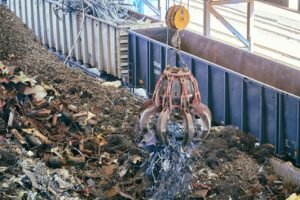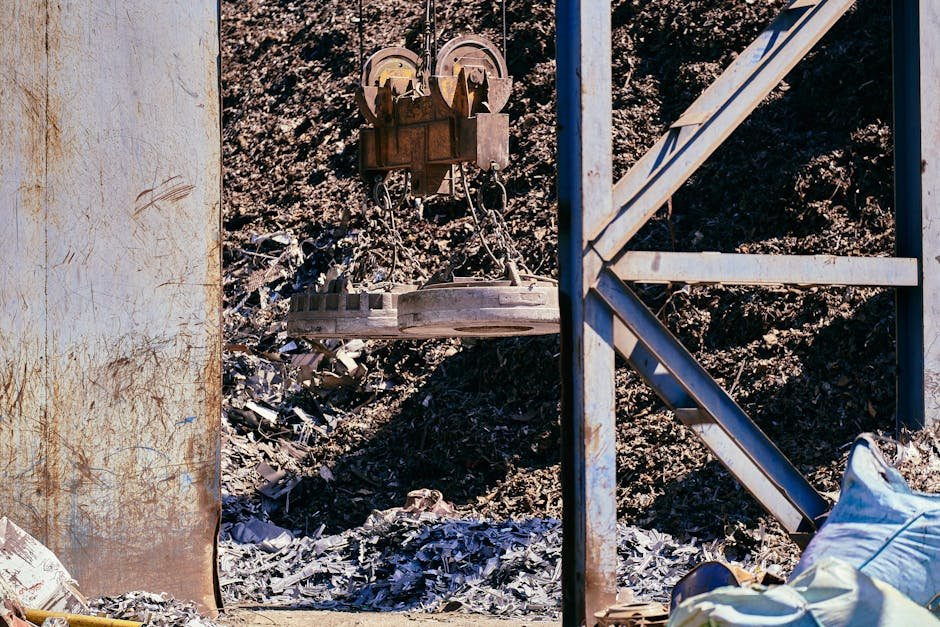

Determining the scrap price for mild steel is a fundamental task for anyone involved in the industrial, construction, or demolition sectors. Because mild steel is the most common form of steel—widely used in beams, plates, and structural components—it represents the backbone of the ferrous recycling economy. Understanding the scrap price for mild steel requires looking beyond a single number; it involves analyzing global commodity markets, regional logistics, and the specific quality of the material you are looking to sell.
Understanding the Global Steel Market and Pricing Mechanisms
The pricing of scrap metal is not arbitrary; it is a reflection of a complex global ecosystem. Steel is a commodity, much like gold or oil, and its value is dictated by supply and demand dynamics on the London Metal Exchange (LME) and other major trading hubs. When you look up the scrap price for mild steel, you are essentially seeing the downstream result of global manufacturing demand.
In Australia, domestic prices are heavily influenced by the export market. Because Australia is a major exporter of iron ore and scrap metal, local yards must align their buy prices with the cost of shipping to major manufacturing hubs in Asia. If you are preparing to sell, it is essential to consult a Scrap Price Forecast Guide to understand whether the market is trending upward or downward. Factors such as the strength of the Australian Dollar (AUD) against the US Dollar (USD) play a critical role, as most international metal contracts are denominated in USD.
Furthermore, the steel scrap price today is rarely static. It is updated frequently to reflect the cost of energy, labor, and transportation. A scrap yard’s ability to move material efficiently to a smelter or a port dictates the margin they can offer to the seller. For those looking for the most competitive rates, staying informed through a steel scrap price today tracker is an excellent way to time your sales for maximum profitability.
Factors Influencing the Value of Your Scrap
Several variables determine the final payout you receive for your ferrous metal. It is not enough to simply have a pile of metal; the condition, volume, and composition of that metal are paramount. The most significant factor is the grade of the material. Mild steel, while abundant, is often categorized by its density and cleanliness.
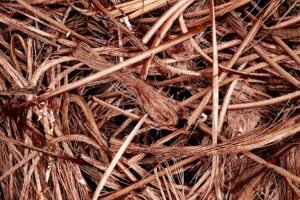
Contamination is the enemy of profit. If your load of mild steel contains non-ferrous materials like copper wiring, plastic, or rubber, the yard will downgrade your load, or worse, reject it entirely. This is why professional demolition teams prioritize sorting their scrap at the source. If you are dealing with mixed materials, you might find that your Scrap Steel Price Per Kg A Complete Guide For Sellers provides the necessary insights to ensure you are separating your metals correctly to fetch the highest possible price per kg.
Logistics also play a massive role. The cost of transporting heavy steel across the country is high. If you have a massive volume of scrap, you may be able to negotiate a better price per tonne because the yard saves on logistical overhead. Conversely, small quantities of scrap often fetch lower rates because the administrative and handling costs outweigh the value of the metal itself. Always check the current price for scrap steel per ton before scheduling a pickup or drop-off to ensure your margins remain healthy.
Grades of Scrap: Beyond Mild Steel
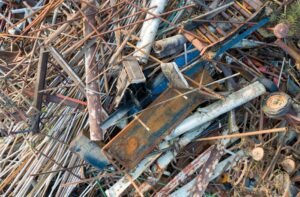
While mild steel is the primary focus, it is important to distinguish it from other categories. Ferrous metals are defined by their iron content and magnetic properties. Within this, there are various grades that dictate the value. Heavy Melting Steel (HMS) is the industry standard for high-quality, thick, and clean scrap. This material is highly sought after by mills because it is easy to melt down and re-process into new structural steel.
Conversely, light iron or sheet metal is thinner and often comes from appliances, roofing, or automotive bodies. Because it is less dense, it takes up more space in a furnace and requires more energy to melt, which lowers its value compared to heavy structural steel. If you are working with higher-value alloys, you might want to cross-reference your inventory with a Stainless Steel Scrap Price guide, as these alloys contain nickel and chromium, which trade at significantly higher premiums than standard mild steel.
Sorting your scrap into these grades before visiting a yard is the single most effective way to increase your total revenue. Yards have different price points for HMS 1 (heavy, clean steel) versus HMS 2 (lighter, potentially slightly rusted or coated steel). By keeping these piles separate, you avoid the “mixed scrap” rate, which is almost always the lowest price tier.
The Environmental and Economic Impact of Recycling
Recycling steel is one of the most successful circular economy models in existence. Unlike plastic, which often degrades in quality each time it is recycled, steel can be melted down and reformed indefinitely without losing its structural integrity. This makes it an incredibly sustainable material choice for the construction industry.
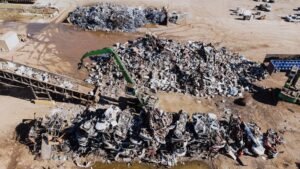
From an environmental perspective, recycling steel uses significantly less energy than producing virgin steel from iron ore. The process requires mining, crushing, and smelting raw ore, which is an energy-intensive and carbon-heavy endeavor. By using recycled scrap, manufacturers can reduce their carbon footprint by up to 75%. For businesses looking to improve their ESG (Environmental, Social, and Governance) scores, partnering with a reputable recycling platform like Scrap Trade ensures that your waste is handled in a way that promotes sustainability and reduces industrial reliance on virgin resources.
Furthermore, the recycling industry provides thousands of jobs across Australia. From the truck drivers who collect the material to the technicians who run the shredders and the traders who navigate the global markets, the ecosystem is vital to the national economy. When you choose to recycle, you are not just getting paid; you are fueling a massive industrial engine that supports local communities.
Practical Tips for Sellers: Maximizing Your Return
If you are looking to sell a significant amount of scrap, preparation is everything. First, contact your local yard or use a digital platform like Scrap Trade Australia to get an idea of the current buy prices. Do not rely on prices from six months ago, as the market is highly volatile. Second, consider the volume. If you have a recurring source of scrap, such as a metal fabrication shop, you can often negotiate a contract rate that is higher than the spot price offered to walk-in customers.
Third, invest in proper storage. If your steel is left outside, it will oxidize (rust). While surface rust is generally acceptable, heavy corrosion can reduce the weight and quality of the metal, leading to a lower valuation. Keeping your scrap under cover or on a concrete pad can preserve its condition and ensure you receive the best price per kg.
Finally, keep accurate records. If you are selling large quantities, tracking your sales by date and tonnage allows you to identify patterns in the market. This data-driven approach is what separates professional scrap dealers from casual sellers. By understanding when the market typically dips or peaks, you can time your sales to occur during high-demand periods, effectively increasing your annual revenue from scrap sales.
The Future of Steel Recycling in Australia
The Australian scrap metal industry is currently undergoing a digital transformation. We are moving away from the old-school model of “show up and hope for a good price” toward transparent, data-driven trading platforms. The ability to track the steel price per tonne in real-time is now accessible to everyone, from small-scale contractors to large demolition firms.
As Australia pushes toward net-zero emissions, the demand for recycled metal will only increase. Green steel manufacturing, which uses hydrogen instead of coal, will rely heavily on high-quality scrap inputs. This shift will likely stabilize demand and potentially drive up the value of clean, sorted scrap metal in the coming decade. Staying ahead of these trends by utilizing resources like professional trading hubs will be essential for anyone looking to capitalize on the evolving scrap market.
Conclusion
Navigating the world of steel recycling requires a mix of market awareness and practical operational knowledge. Whether you are dealing with structural beams, sheet metal, or off-cuts, the scrap price for mild steel is a reflection of a global, interconnected market that values efficiency, purity, and volume. By taking the time to sort your materials, keeping an eye on market fluctuations, and utilizing the right digital tools, you can ensure that you are getting the maximum value for your scrap.
Remember that every kilogram of steel you recycle contributes to a more sustainable future, reducing the need for virgin mining and lowering the overall energy consumption of the manufacturing sector. As you continue to participate in this industry, lean on the resources available to you, stay informed about the price per tonne, and treat your scrap as the valuable commodity that it is. With the right strategy, your scrap metal management can become a reliable and profitable revenue stream for your business.
Frequently Asked Questions
How often does the scrap price for mild steel change?
The price typically fluctuates daily or weekly based on global demand, energy costs, and the strength of the Australian dollar. It is recommended to check current rates on the day of your planned sale.
Does rust affect the price per kg of my scrap steel?
Yes, heavy rust or oxidation can reduce the weight and quality of your steel. While light surface rust is usually acceptable, significant corrosion may lead to a lower grade classification and a reduced price.
What is the difference between HMS and sheet metal?
Heavy Melting Steel (HMS) consists of thick, dense pieces of steel that are highly desirable for foundries. Sheet metal is thinner and lighter, making it less efficient to melt and therefore lower in value.
Should I sort my scrap before taking it to the yard?
Absolutely. Sorting your steel from other metals like copper or aluminum ensures you receive the correct price for each material. Mixed loads are often paid at the lowest common denominator rate.