
Understanding current scrap steel prices is essential for businesses and individuals involved in the recycling industry. As of 2024, the Australian market sees steel price per tonne fluctuating between $150 and $450, depending on grade and location. Prices are influenced by global demand, raw material costs, and environmental regulations. This guide provides a detailed breakdown of current scrap steel prices, factors affecting them, and how to maximize returns when trading scrap metal.
Overview of Current Scrap Steel Prices
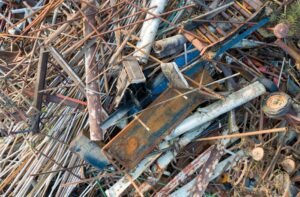
The current scrap steel prices in Australia reflect a dynamic interplay between local and international markets. Ferrous metals like carbon steel and alloy steel account for the majority of scrap trading, with prices varying by grade. For instance, mild steel (a common ferrous scrap) typically ranges from $0.15 to $0.30 per kg, while sheet metal and other high-grade scrap can fetch $0.35 to $0.45 per kg. These rates are benchmarked against the steel price per tonne in global commodity markets, which itself is influenced by factors like iron ore prices and shipping logistics.
Factors Affecting Scrap Steel Prices
- Global Steel Production: China, India, and the U.S. are major steel producers. Increased demand in these regions drives up scrap prices.
- Transportation Costs: Freight and shipping fees impact the cost of moving scrap to processing facilities or export ports.
- Environmental Regulations: Stricter recycling laws in Australia encourage higher recycling rates, influencing supply and demand.
- Currency Exchange Rates: The Australian dollar’s value against the U.S. dollar affects import/export pricing and raw material costs.
Grades of Scrap Steel and Their Market Value
Scrap steel is categorized into grades based on purity, composition, and usability. Here’s a breakdown of common grades and their typical price per kg:
- Carbon Steel: $0.15–$0.25/kg. Used in construction and general manufacturing.
- Alloy Steel: $0.20–$0.35/kg. Contains additional elements like chromium or nickel, making it more valuable.
- Stainless Steel Scrap: $0.30–$0.45/kg. High demand due to corrosion resistance; see Stainless Steel Scrap Price for real-time data.
- Sheet Metal: $0.25–$0.35/kg. Often used in automotive and appliance recycling.
How the Recycling Process Works
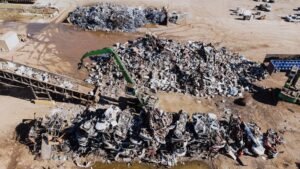
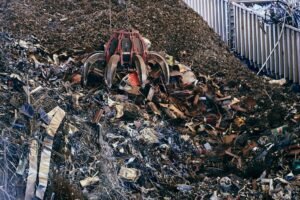
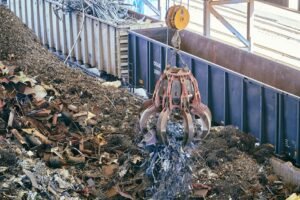
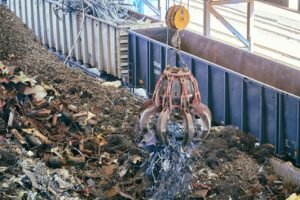
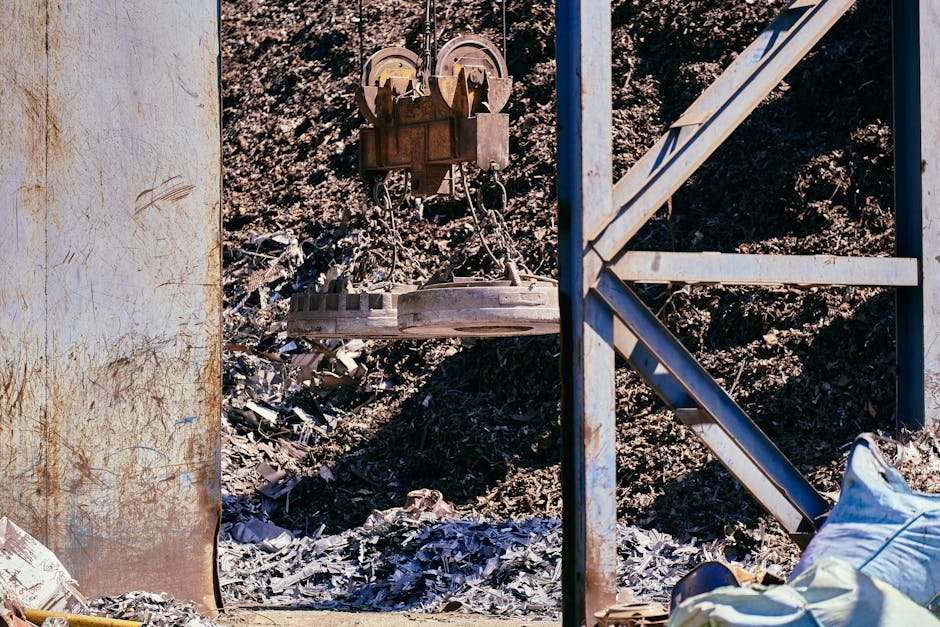
Recycling scrap steel involves several stages: collection, sorting, processing, and melting. First, scrap is gathered from sources like demolition sites, factories, and households. It is then sorted by grade using magnets for ferrous metals and eddy current separators for non-ferrous materials. After cleaning and shredding, the metal is melted in electric arc furnaces or blast furnaces to produce new steel. This process consumes 60–70% less energy than producing steel from raw iron ore, making recycling both cost-effective and environmentally sustainable.
Environmental Benefits of Scrap Steel Recycling
Recycling scrap steel reduces the need for mining iron ore, which is energy-intensive and environmentally damaging. For every tonne of recycled steel, approximately 1.5 tonnes of iron ore, 0.5 tonnes of coal, and 40% less water are saved. Additionally, recycling cuts CO₂ emissions by 58% compared to virgin steel production. The Australian government incentivizes recycling through policies like the National Steel Recycling Strategy, which aims to increase reuse rates to 90% by 2030.
Practical Tips for Scrap Steel Sellers
- Monitor current scrap metal prices weekly: Prices can change rapidly due to global events or supply chain disruptions.
- Prepare materials for grading: Clean, sorted scrap fetches higher prices. Remove non-metal components like plastics or rubber.
- Negotiate based on weight: Suppliers often offer volume discounts. Bulk trades may yield better price per kg rates.
- Use a trusted platform: Platforms like Scrap Trade or ScrapTrade Australia provide real-time pricing and transparent transactions.
Current Market Trends in 2024
In 2024, the Australian scrap steel market is seeing increased demand from the construction sector, driven by infrastructure projects like the Sydney Metro and Melbourne Rail Expansion. Additionally, the rise of electric vehicles (EVs) has boosted demand for high-grade steel in battery and motor production. However, supply chain bottlenecks in Asia have caused periodic price volatility. To stay ahead, traders are leveraging AI-driven price prediction tools and blockchain-based contracts for secure transactions.
How to Compare Scrap Steel Prices
When evaluating current scrap steel prices, compare the price per kg with historical data and regional benchmarks. For example, Port Hedland in Western Australia typically offers higher prices for export-grade scrap due to proximity to shipping hubs. Conversely, inland regions like Broken Hill may have lower prices due to higher transportation costs. Use platforms like Scrap Prices to track regional differences and optimize your trade strategy.
Long-Term Outlook for Scrap Steel Markets
Experts predict that steel scrap prices will remain stable in 2024 but face upward pressure by 2025 due to China’s steel production restrictions and the EU’s Carbon Border Adjustment Mechanism (CBAM). Investors and recyclers should focus on grades with high reusability, such as mild steel and sheet metal, which are expected to maintain steady demand. Additionally, investing in recycling technologies like automated sorting systems can improve profitability in competitive markets.
Common Challenges in Scrap Steel Trading
Challenges include price volatility, contamination of scrap materials, and regulatory compliance. To mitigate risks, consider the following:
- Partner with certified recyclers to ensure compliance with environmental standards.
- Use third-party audits to verify the purity of ferrous metal shipments.
- Lock in prices with futures contracts during periods of high volatility.
Conclusion
Staying informed about current scrap steel prices is vital for maximizing returns in Australia’s recycling industry. By understanding factors like steel price per tonne, grades of scrap, and global market trends, traders can make strategic decisions. Utilize platforms like Scrap Trade for real-time scrap prices and leverage recycling’s environmental and economic benefits.
Related: steel scrap prices
Related: scrap steel prices
Frequently Asked Questions
What are the current scrap steel prices in Australia?
As of 2024, current scrap steel prices in Australia range from $0.15–$0.45 per kg, depending on the grade. Ferrous metals like mild steel are cheaper, while stainless steel scrap commands higher prices. Check real-time rates for the latest updates.
How are scrap steel prices determined?
Prices are set by global demand, raw material costs, transportation fees, and exchange rates. For example, a weaker Australian dollar increases the cost of imported iron ore, which indirectly affects steel price per tonne and price per kg for scrap.
Which grades of scrap steel give the best returns?
Stainless steel scrap and sheet metal typically offer the highest returns, fetching $0.30–$0.45 per kg. These grades are in demand for high-performance applications. Compare stainless steel prices for current values.
What are the environmental benefits of recycling scrap steel?
Recycling scrap steel saves 1.5 tonnes of iron ore, 0.5 tonnes of coal, and 40% less water per tonne of steel produced. It also reduces CO₂ emissions by 58% compared to making steel from raw materials, making it a key component of Australia’s sustainability goals.