
Understanding the current scrap value of copper is essential for any professional contractor, electrician, or demolition expert operating within the Australian market. Because copper is a non-ferrous metal with infinite recyclability, it remains one of the most stable and high-value commodities in the circular economy. Tracking the current scrap value of copper allows you to time your sales for maximum profitability, ensuring that you aren’t leaving money on the table when clearing out job sites or industrial facilities. Whether you are dealing with high-grade Scrap Copper or mixed industrial wiring, the market rewards those who understand how to sort, clean, and prepare their materials according to industry-standard grading protocols.
The Hierarchy of Copper Grades: Maximizing Your Payout
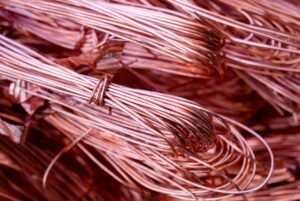
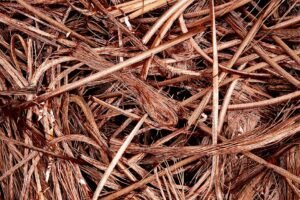
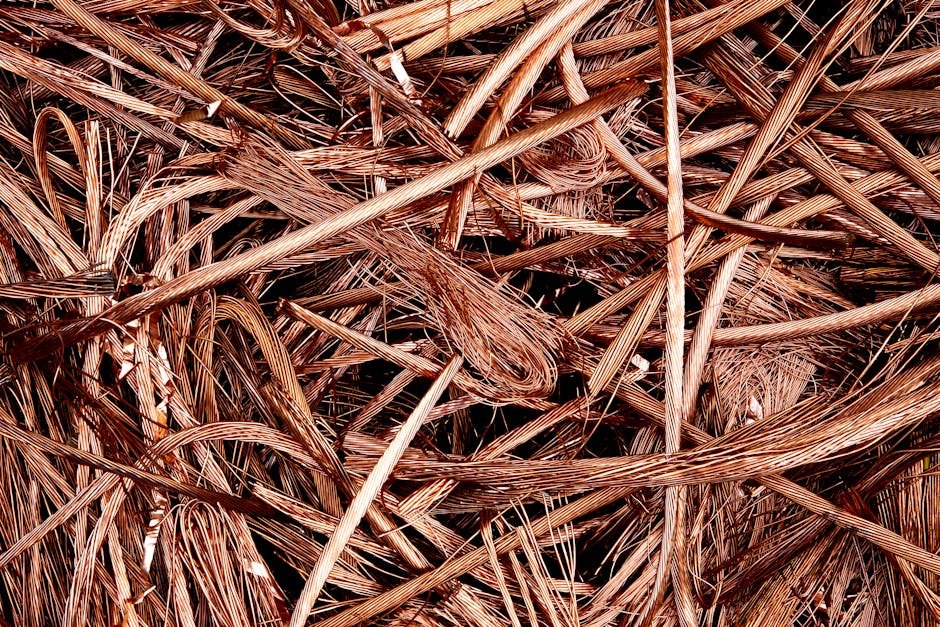
To secure the best possible return, you must understand how recyclers grade material. The current scrap value of copper is dictated by the purity of the metal and the presence of contaminants like solder, paint, plastic, or oxidation. The highest grade, known as ‘Bare Bright,’ consists of clean, unalloyed, uncoated copper wire or tubing that is free of insulation and oxidation. Because it requires minimal processing at the refinery, it commands the highest price per kilogram. Moving down the ladder, we find ‘Number 1’ copper, which may include clean pipe or wire with minor, non-contaminating surface oxidation. ‘Number 2’ copper represents a lower tier, often containing trace amounts of solder, paint, or minor impurities that require more intensive chemical or mechanical separation. Finally, insulated copper wire is graded based on the percentage of copper recovery; the thicker the wire and the easier the insulation is to strip, the higher the value. Always check Current Scrap Metal Prices to see how these grades fluctuate relative to one another in real-time.
How the Recycling Process Transforms Scrap Into Value
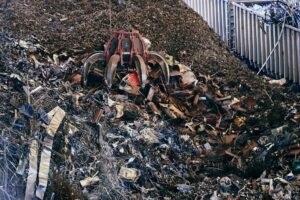
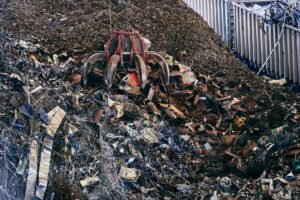
The journey from a discarded copper pipe on a construction site to a new high-voltage cable is a marvel of modern industrial engineering. Once you deliver your scrap to a professional metal recycling facility, the material is weighed and inspected for quality. If the scrap is mixed, it undergoes a mechanical shredding process where powerful magnets and eddy current separators remove ferrous metals and non-metallic debris. The remaining copper is then granulated into small chips, which are cleaned through air classification systems to remove plastic insulation fragments. These copper granules are then melted in high-temperature furnaces, cast into ingots, and rolled into new wire rods or plumbing components. This process consumes up to 85% less energy than mining virgin copper ore, making it a cornerstone of sustainable industrial manufacturing. By participating in this loop, you aren’t just making a profit; you are actively reducing the demand for environmentally destructive open-pit mining operations.
Strategic Tips for Getting the Best Rates
Maximizing your revenue requires more than just showing up at a yard. First, prioritize segregation. Never mix high-value bare bright wire with lower-grade insulated cables, as yards will often downgrade the entire load to the lowest common denominator price. Second, invest in basic stripping tools. While manual stripping is labor-intensive, the price difference between insulated wire and clean copper is often significant enough to justify the effort for large volumes. Third, keep an eye on global market indicators. The price of copper is heavily influenced by construction activity in China, the strength of the Australian dollar, and global electrification trends. When global demand for electric vehicles and renewable energy infrastructure spikes, copper prices generally follow suit. You can find local pricing trends by searching for Scrap Copper Prices Near Me to ensure your local yard is offering a competitive spread compared to national averages. Finally, build a relationship with your local yard manager. High-volume, consistent suppliers are often eligible for ‘commercial’ pricing tiers that aren’t advertised to the general public.
Environmental Benefits and the Circular Economy
Copper is unique because it is 100% recyclable without any loss of its chemical or physical properties. In Australia, the recycling sector prevents thousands of tonnes of metal from ending up in landfills annually, where they would otherwise leach heavy metals into the soil. Beyond waste reduction, the energy savings are profound. Extracting copper from ore involves crushing, grinding, flotation, and smelting, all of which are carbon-intensive. Recycling bypasses these steps entirely. As we transition toward a net-zero economy, the demand for recycled copper is skyrocketing. Every kilogram of copper you recycle supports the production of essential infrastructure like wind turbines, solar arrays, and energy-efficient building systems. By understanding the Understanding the Current Value of Scrap Copper: A Complete Guide, you position yourself as a vital link in the supply chain that powers the green transition. This is not merely a waste management activity; it is resource management in its most efficient form.
Common Pitfalls to Avoid in Scrap Trading
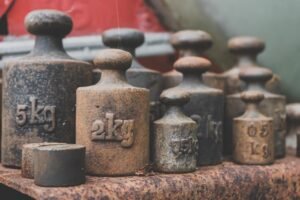
Even experienced traders can fall victim to common mistakes that erode their margins. A frequent error is failing to clean copper properly. Leaving brass fittings, steel valves, or lead solder on copper pipes can lead to a ‘contaminated’ classification, which can slash your payout by 30% or more. Always use a pipe cutter to remove soldered joints before weighing your copper. Another pitfall is ignoring the impact of moisture and dirt. While some surface oxidation is acceptable, heavy mud or excessive water weight can lead to a ‘deduction’ at the scales. Treat your scrap like a high-value asset, not trash. Store it in a dry, secure location to prevent theft and corrosion. Lastly, be wary of yards that do not provide transparent weight readings. Always ensure the scale is calibrated and visible to you during the weighing process. Transparency is the hallmark of a professional recycling partner.
Future Trends: Electrification and Copper Demand
The outlook for copper remains bullish. As the world shifts toward electrification, the demand for high-conductivity copper is expected to outstrip supply. Electric vehicles require three times as much copper as internal combustion engines, and the expansion of smart grids requires massive quantities of copper cabling. This structural shift suggests that the long-term value of scrap copper will remain high, even if short-term market volatility occurs. For the Australian scrap trader, this means that holding onto high-quality scrap during temporary market dips can be a sound financial strategy. However, keep your capital liquid by moving lower-grade material quickly. Stay informed by reading industry reports and monitoring the LME (London Metal Exchange) copper index. By combining local market knowledge with a big-picture understanding of global commodity trends, you can turn a side hustle into a consistent, high-margin revenue stream. Remember, the market favors the informed; those who track the data will always outperform those who simply guess.
Frequently Asked Questions
What is the difference between bare bright and number 2 copper?
Bare bright copper consists of clean, uninsulated, and unoxidized wire, making it the highest-value grade. Number 2 copper typically includes wire or pipe that has minor oxidation, paint, or light solder, which requires more processing and thus fetches a lower price.
Does the price of copper change daily?
Yes, copper is a globally traded commodity on the London Metal Exchange, meaning prices fluctuate daily based on supply, demand, currency exchange rates, and geopolitical factors. Local scrap yards typically adjust their buy prices to reflect these global movements.
Is it worth stripping insulation from copper wire?
For most high-volume traders, stripping insulation is highly profitable because the price difference between insulated wire and clean copper is significant. However, you should weigh the labor time and tool costs against the expected price increase to ensure it makes financial sense for your specific volume.
How can I ensure I am getting a fair price for my scrap?
Always separate your metals by grade before arriving at the yard to avoid being paid the ‘mixed’ rate. Use a reliable, calibrated scale to weigh your material beforehand, and compare quotes from multiple local buyers to ensure you are receiving a competitive market rate.