
Understanding the current steel scrap metal prices is essential for anyone involved in ferrous metal trading, whether you are a recycler, a construction contractor, or an investor looking at metal prices today.
1. Overview of the Australian Steel Scrap Market
The Australian scrap metal sector processes over 5 million tonnes of ferrous material each year, supplying a vital feedstock for domestic steel mills and export markets. The market is driven by a combination of local demand for mild steel, sheet metal and heavy‑section components, and international price signals such as the global steel price per tonne. Prices are quoted in both price per kg and steel price per tonne, allowing buyers and sellers to compare offers across scales.
2. How Current Steel Scrap Metal Prices Are Determined
Prices are not set arbitrarily; they result from a transparent mechanism that blends several data points:
- Global commodity indices: The London Metal Exchange (LME) and the Shanghai Futures Exchange publish daily steel futures that act as a benchmark for Australian traders.
- Domestic supply‑demand balance: When construction activity spikes, demand for scrap steel rises, pushing up the current scrap prices. Conversely, a slowdown in manufacturing can depress prices.
- Currency fluctuations: The Australian dollar’s strength against the US dollar directly influences the cost of imported scrap and the competitiveness of local exports.
- Transportation and handling costs: Freight rates, especially for long‑haul trucking from regional mines to coastal ports, are folded into the final price per kg.
- Quality premiums: Higher‑grade scrap such as clean, uncoated mild steel commands a premium over mixed or contaminated loads.
These components are aggregated by major brokers and published on platforms like Current Scrap Metal Prices and Scrap Metal Prices, giving market participants a reliable reference point.
3. Key Factors That Influence Price Fluctuations
While the pricing framework is systematic, day‑to‑day movements are affected by a handful of dynamic factors:
- Industrial output: A surge in steel production at facilities such as BlueScope or Liberty Steel raises the demand for scrap as a raw material.
- Export demand: Asian markets, particularly China and India, import Australian scrap steel; changes in their import policies can shift local prices.
- Environmental regulations: Stricter waste‑handling rules increase processing costs, which are passed on to sellers.
- Seasonality: Construction peaks in the Australian summer months (December–February) typically lift metal prices today.
- Technological shifts: The rise of electric‑arc furnace (EAF) technology, which relies heavily on scrap, can create a sustained upward pressure on prices.
Monitoring these variables helps traders anticipate whether the current steel scrap metal prices are likely to rise or fall in the near term.
4. Grades of Scrap Steel and Their Market Values
Not all scrap is created equal. The market distinguishes between several grades, each with its own price band:
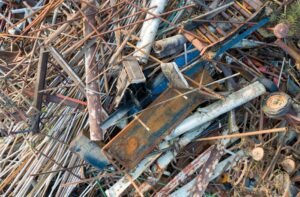
- #1 Clean Ferrous: Untarnished, uncoated mild steel and sheet metal, often sourced from demolition of residential buildings. This grade commands the highest price per kg because it requires minimal processing.
- #2 Heavy‑Section: Large structural components such as beams and columns. While still valuable, the need for cutting and sorting reduces the premium.
- #3 Mixed Ferrous: A blend of steel, cast iron and other ferrous alloys. Prices are lower due to the extra effort needed to separate contaminants.
- #4 Contaminated Scrap: Includes painted, galvanized or oil‑coated material. This grade often incurs a deduction for cleaning and may be sold at a discount to steel scrap metal prices tables.
Accurate grading is essential for achieving the best return, and reputable recyclers use magnetic separation, optical sorting and manual inspection to certify each batch.
5. The Recycling Process: From Collection to Re‑Melting
The journey of scrap steel from the curb to the furnace involves several stages:
- Collection: Contractors, demolition firms and households deliver scrap to licensed facilities. Many use local services highlighted in Scrap Metal Prices Near Me to find the nearest accepted drop‑off points.
- Sorting & Grading: Material is sorted by magnetic strength, size and coating type. Advanced facilities employ AI‑driven sensors to improve accuracy.
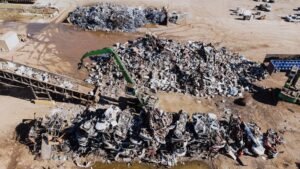
- Processing: Clean steel is sheared, shredded and baled. Contaminated pieces undergo additional cleaning, such as sandblasting or chemical stripping.
- Melting: Baled scrap is fed into an electric‑arc furnace where it melts at 1,600 °C, producing liquid steel ready for casting.
- Refining & Casting: The molten steel is refined to meet specific alloy specifications before being poured into molds for downstream manufacturers.
This closed‑loop system reduces the need for virgin iron ore, saves energy and lowers greenhouse‑gas emissions.
6. Environmental Benefits of Steel Recycling
Recycling steel offers measurable ecological advantages:
- Energy Savings: Producing steel from scrap uses up to 74 % less energy than processing iron ore.
- Carbon Reduction: Each tonne of recycled steel avoids roughly 1.8 tonnes of CO₂ emissions.
- Resource Conservation: Recycling conserves natural resources such as iron ore, coal and limestone.
- Landfill Diversion: Recycling keeps millions of tonnes of ferrous waste out of landfill each year, reducing soil and water contamination.
These benefits align with Australia’s National Waste Policy and support corporate sustainability targets.
7. Practical Tips for Sellers and Buyers
Whether you are looking to sell scrap or purchase it for manufacturing, the following strategies can improve your bottom line:
- Stay Informed: Check daily updates on Scrap Metal Prices and the current scrap steel prices to time transactions.
- Maintain Cleanliness: Delivering clean, well‑sorted material reduces deductions and maximises the price per kg you receive.
- Leverage Volume: Larger consignments often qualify for bulk discounts or higher payment rates.
- Negotiate Transport: Consolidating loads with other businesses can lower freight costs, especially in remote regions.
- Use Certified Brokers: Engaging with accredited brokers ensures transparent pricing and compliance with Australian standards.
For a comprehensive list of certified brokers, visit the national directory on Scrap Trade.
8. Future Outlook for the Australian Steel Scrap Market
Looking ahead, several trends are set to shape the trajectory of current steel scrap metal prices:
- Green Steel Initiatives: Government incentives for low‑carbon steel production will increase demand for high‑quality scrap.
- Digital Marketplaces: Real‑time pricing platforms and blockchain traceability are improving market efficiency.
- Infrastructure Investment: Federal spending on roads, rail and renewable energy projects will boost domestic steel consumption, supporting higher scrap prices.
Stakeholders who adapt to these developments will be better positioned to capture value in the evolving market.
For more detailed analysis and regional price breakdowns, explore the resources on ScrapTrade Australia, the leading industry association for Australian recyclers.
Frequently Asked Questions
Below are concise answers to the most common queries about steel scrap pricing.
- What determines the price per kg of scrap steel? The price per kg reflects global steel futures, domestic supply‑demand dynamics, grade quality, transportation costs and any applicable environmental levies.
- How often are scrap prices updated? Reputable platforms refresh their listings daily, incorporating the latest market data, so you can rely on up‑to‑date metal prices today when making decisions.
- Can I get a better rate by pre‑sorting my scrap? Yes. Clean, segregated material reduces processing expenses and typically earns a premium over mixed loads.
- Is scrap steel recycling profitable for small businesses? When you manage logistics efficiently and stay informed about the current steel scrap metal prices, even modest volumes can generate a healthy margin.
Frequently Asked Questions
What determines the price per kg of scrap steel?
The price per kg reflects global steel futures, domestic supply‑demand dynamics, grade quality, transportation costs and any applicable environmental levies.
How often are scrap prices updated?
Reputable platforms refresh their listings daily, incorporating the latest market data, so you can rely on up‑to‑date metal prices today when making decisions.
Can I get a better rate by pre‑sorting my scrap?
Yes. Clean, segregated material reduces processing expenses and typically earns a premium over mixed loads.
Is scrap steel recycling profitable for small businesses?
When you manage logistics efficiently and stay informed about the current steel scrap metal prices, even modest volumes can generate a healthy margin.