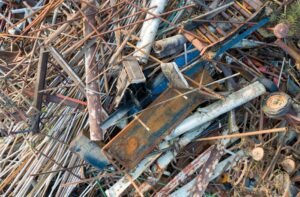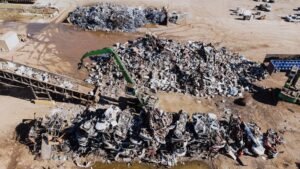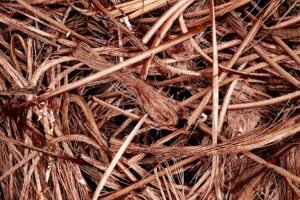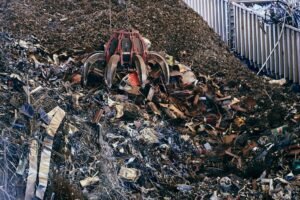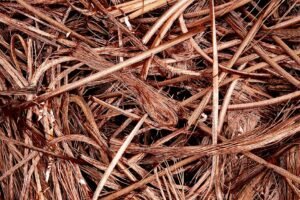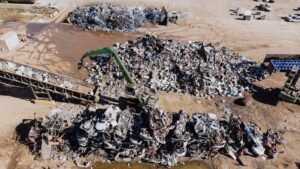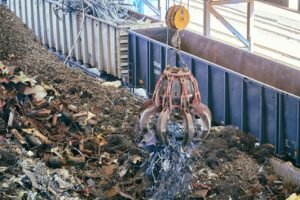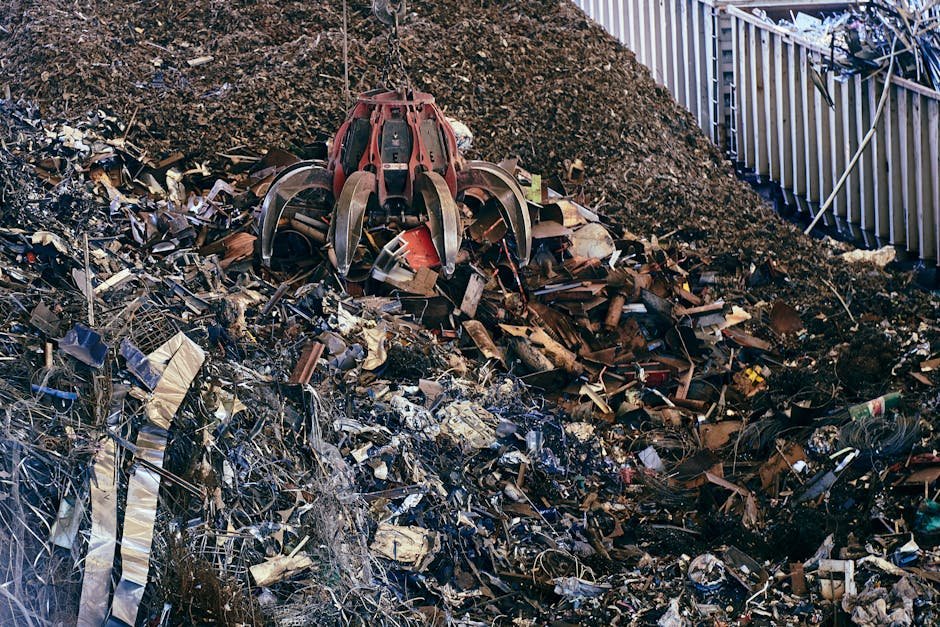

dubbo scrap metal is traded every weekday at two main yards on the Mitchell Highway and Troy Lane, accepting everything from domestic copper wire to heavy mining drill heads.
1. Why Dubbo Scrap Metal Matters to the Local Economy
Dubbo’s central position on the Newell and Mitchell Highways makes it a natural hub for Central-West NSW demolition, agri-business and mining waste. Every tonne of dubbo scrap metal that is re-melted in Newcastle or Port Kembla instead of being buried keeps $220 in local wages and $75 in council landfill fees inside the regional economy. For farmers cleaning up drought-dead machinery, the average property sale adds $3,800 in cash flow—enough to buy 500 kg of new fencing wire.
The same transport corridors that carry sheep and grain to the Dubbo saleyards return south with fully laden scrap bins, giving back-load rates 18 % cheaper than Sydney metro. This freight advantage is why Scrap Metal Prices in Dubbo sit within 5 % of Port Kembla terminal gate rates, despite the 400 km haul.
2. Standard Grades You Will Sell or Buy in Dubbo
Understanding grades is the fastest way to avoid under-payment. The Australian Metal Recycling Industry Association lists 42 national grades, but Dubbo yards work to eight everyday codes:
- 1. HMS 1&2 (Heavy Melting Steel) – structural steel >6 mm thick, max 0.3 % copper. Paid at the ferrous benchmark.
- 2. Busheling – clean factory off-cuts <12 mm, bonus $30–40/t over HMS because mills melt faster.
- 3> Cast Iron – engine blocks, bath tubs. Higher carbon, lower residual price.
- 4. Electric Motor Scrap – copper windings inside steel case; priced midway between copper and steel.
- 5. Copper Wire #1 – 99.9 % Cu, uncoated, unstripped. Current spot ~$11.60/kg.
- 6. Copper Wire #2 – plastic coated, soldered joints. ~$7.20/kg after yard burn-off.
- 7. Extruded Aluminium – window frames, no steel inserts. ~$2.10/kg.
- 8. 6061 Alloy Wheels – car mags, valve stems removed. Premium of 20 ¢/kg above cast ali.
Stainless, lead-acid batteries, catalytic converters and NiCd drill batteries are specialty grades kept in locked cages under video surveillance because of theft risk. Always separate these before weigh-in; mixed loads are priced at the lowest component, costing you real money.
If you need to know where to Sell Scrap Metal Near Me In 2026, bookmark the Dubbo page—yards update live prices by 10 a.m. AEST.
3. Step-by-Step Recycling Process from Curb to Coil
Once your material crosses the weighbridge the journey to a new product takes less than 35 days on average.
Stage 1: Inspection & Sorting
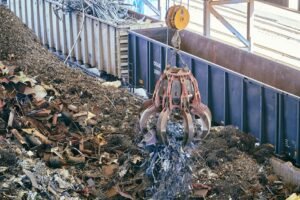
Trained sorters use handheld XRF guns to verify alloy in three seconds; any radiation or sealed units trigger quarantine. Ferrous is moved by 30-tonne excavator with grab attachment to the shear line; non-ferrous goes to the copper table.
Stage 2: Size Reduction
600-tonne guillotine shears cut oversize HMS to <600 mm, while copper wire is shredded in 2,500-hp granulators that separate plastic, steel and copper in one pass. Dust is captured by bag-house filters meeting NSW EPA licence DRE-66-345.
Stage 3: Freight Consolidation
After baling, material is loaded to B-double trailers, each carrying 38–40 t direct to Port Kembla or Whyalla. Dubbo’s inland port status means containers can be railed to Port Botany at 40 % lower carbon per tonne than road.
Stage 4: Smelting & Remelt
Copper goes to the IsaSmelt furnace in Townsville where 55 % of Australia’s copper matte is produced. Aluminium is re-melted in Tomago using 95 % less energy than bauxite refining. Steel arc furnaces at Whyalla consume 1.1 MWh per tonne compared with 6.3 MWh for iron-ore-to-steel route.
Stage 5: New Product
Your old Hills hoist becomes rebar for the new Dubbo Hospital extension; your Ute’s alloy tray becomes a can sheet in 42 days. This closed loop is why regional recycling has a 13-year record of trade surplus for NSW.
For a pictorial walkthrough, read Scrap Metal Recycling Near Me which maps every licensed facility west of the Blue Mountains.
4. Environmental Benefits Specific to Dubbo’s Climate
Western NSW battles heat, water scarcity and landfill fire risk. Recycling one tonne of steel keeps 0.9 t of coal in the ground and saves 1.4 t of iron ore and 0.6 t of limestone. In Dubbo’s summer 40 °C days this translates into 1.8 t less CO₂-e, equal to running an evaporative cooler for 1,120 hours.
Landfill space is even more critical; the Whylandra Waste & Recycling Centre is forecast to reach capacity in 2031. Diverting 16,000 t of metal per year extends site life by 3.4 years and saves council ratepayers $4.2 million in cell-lining costs.
Water savings matter too. Producing aluminium from raw bauxite uses 15,000 L of water per tonne; the recycled route uses 280 L. For a region that experienced Level 5 water restrictions in 2019, every kilogram counts.
Finally, heavy-metal leachate is slashed. E-waste sent to landfill can release 70 mg/L of lead; recycling recovers 95 % and keeps soil within ANZECC background thresholds, protecting the Macquarie River catchment.
5. Current Prices & Market Levers in 2024
Global factors filter quickly into Dubbo because of daily containerised rail freight. Key levers include:
- Chinese steel export rebates: When Beijing cancelled the 13 % rebate in 2021, HMS fell $45/t within ten days.
- LME copper inventories: A 10,000 t drop in Busan warehouse pushes Dubbo wire price up 7 ¢/kg on average.
- Currency: Every one-cent fall in AUD/USD adds 0.8 ¢/kg to copper in AUD terms.
- Energy costs: The introduction of the NSW electricity safeguard mechanism added $3.20/t to smelter cost, passed back to sellers as a 1 % haircut.
As of June 2024 spot averages delivered to Dubbo yards are:
| Grade | Price (AUD/tonne) |
|---|---|
| HMS 1&2 | $230 |
| Busheling | $260 |
| Copper Wire #1 | $11,600 |
| Ali Extrusion | $2,100 |
| 304 Stainless | $1,450 |
Prices update live at Scrap Metal Prices with a 30-day forecast based on futures curves. For large lots over five tonnes, phone the trading desk and lock-in same-day hedge contracts.
If you want doorstep pickup, the scrap metal collection dubbo service offers next-day bins for farms and factories, charged by tonne not distance.
6. Practical Tips to Maximise Payment
1. Strip copper wire if you have more than 10 kg; labour equals $9/hour but adds 4.4 ¢/kg profit.
2. Remove steel screws from ali window frames; even 1 % Fe downgrades the load to “Ali breakage” and costs $280/t.
3. Drain but do not crush catalytic converters—buyers need intact honeycomb to assay platinum group metals.
4. Keep different alloys in separate drums; mixed ali is priced at the cheapest constituent.
5. Photograph your weighbridge ticket and upload to the Scrap.Trade portal; historical data helps with tax depreciation if you are a business.
6. Time your sale: prices soften in December when mills destock, rise late March when construction restarts.
7. Bundle small domestic lots with neighbours; the yard pays a flat $20 bonus per tonne for deliveries over 500 kg because it saves on handling.
8. For insulated cable, use a cable stripper rather than burning; the yard docks 30 % for burnt copper and EPA fines start at $750.
7. Workplace Safety & Legal Compliance
Scrap yards are classified “high-risk” under the NSW Work Health and Safety Regulation 2017. If you are delivering, wear hi-vis, steel caps, ear protection and lock your mobile in the glovebox—the yard will eject you for taking photos near the shear.
Chains and lifting gear must be tagged and within 12 months of inspection. Gas bottles are only accepted if triple-punctured on site; undrained compressors incur a $45 degas fee.
Proof of ownership is mandatory for copper >10 kg. Bring your driver’s licence and, if from a worksite, a letterhead authorisation from the site foreman. Random licence plate photos are forwarded to the NSW Police Scrap Metal Register to deter copper theft.
Asbestos found in brake linings or roofing incapsulates the entire 20-t bin at your cost—$380/t for HazMat disposal. Know your material.
8. Future Outlook & How to Stay Informed
The $3.9 million Australian Recycling Investment Fund is co-financing a 6,000 m² non-ferrous separation plant at the Dubbo Industrial Estate, due online Q2 2026. The facility will add 28 jobs and consume 22,000 t of shredder residue from Cobra, Gilgandra and Narromine transfer stations. Expect tighter supply and firmer prices for zorba mixed non-ferrous once domestic demand ramps up.
Carbon border adjustment mechanisms in the EU and forthcoming U.S. legislation will reward low-carbon recycled content, pushing dubbo scrap metal premiums higher. Analysts forecast a 12 % CAGR for Australian recycled aluminium exports through 2029, with Dubbo positioned as the key inland aggregation point.
Stay ahead by subscribing to the free weekly newsletter and learn how to scraptrade.com.au can manage your commodity risk with forward swaps.
Conclusion: Turning Rubbish into Revenue
Whether you are a farmer with droughted machinery, a plumber stripping copper fittings, or a mine site decommissioning structural steel, dubbo scrap metal offers immediate cash, carbon credits and community benefit. Know your grades, separate before you travel, track global prices, and partner with licensed yards that invest in dust suppression and water recycling. The result is a circular economy where your yesterday’s scrap becomes tomorrow’s skyscraper—all while keeping Central NSW clean, green and profitable.
Related Topics
Need a bin tomorrow? Check just scrap metal for same-day drop and collect options across the Orana region.
Sources & Further Reading
NSW EPA Annual Return data 2023, Australian Bureau of Statistics Waste Account 2024, LME daily closes, BlueScope Steel sustainability report, AMRIA grade handbook v4.2.
Frequently Asked Questions
Do I need to strip plastic coating off copper wire?
For loads under 10 kg the yard will accept insulated wire as #2 copper. Above that, stripping boosts payment by ~4 ¢/kg, easily covering labour with a simple handheld stripper.
Can I deliver scrap after 5 p.m. on weekdays?
Both Dubbo yards close weighbridges at 4:30 p.m. but offer Saturday 8–11 a.m. for public deliveries; companies can book 24-hour container swap by prior arrangement.
What proof of ownership is required?
Bring photo ID for any sale. For copper over 10 kg or commercial stainless, supply a company letterhead or purchase invoice to comply with NSW police metal theft regulations.
How quickly do prices change?
Ferrous prices fix at 9 a.m. daily and apply to all deliveries that day. Non-ferrous prices update twice daily reflecting London Metal Exchange closes; check the live page before you leave home.