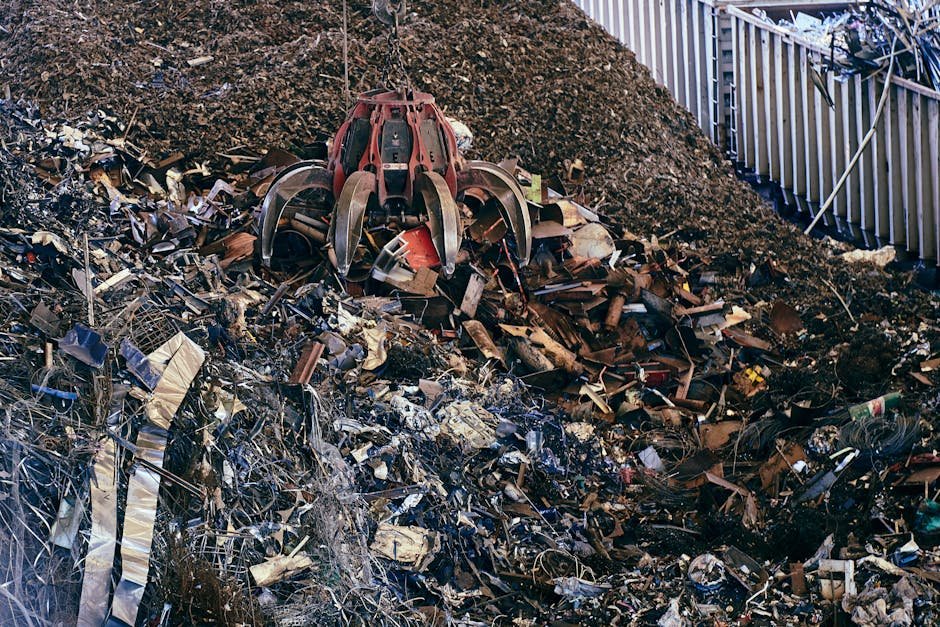

Understanding the landscape of enviro scrap Murray Bridge is essential for businesses, farmers, and residents looking to manage their metal waste responsibly. As the industry evolves, the shift toward digital platforms has changed how we interact with the market. Whether you are dealing with industrial offcuts or household appliances, the process of recycling metal is a cornerstone of the circular economy in South Australia. By participating in professional recycling, you aren’t just cleaning up your property; you are contributing to a global supply chain that values resource efficiency.
The Evolution of Metal Recycling in Murray Bridge
The Murray Bridge region has long been a hub for agricultural and industrial activity, which naturally produces significant quantities of scrap metal. Historically, the process of disposing of this metal was fragmented, often relying on local scrap yards with limited transparency. Today, the landscape is shifting. As we explore What Scrap Trade Actually Is, it becomes clear that modern recycling is about data, efficiency, and fair pricing. The transition from traditional, opaque yard dealings to transparent, digital-first trading is why Why Scrap Trade Online Is Growing at such a rapid pace. Sellers are no longer forced to accept “take it or leave it” prices; they now have the tools to understand the market value of their commodities.
This growth is driven by a need for better logistics and accurate grading. When you engage with enviro scrap Murray Bridge services, you are tapping into a network that prioritizes the environmental footprint of logistics. By moving operations online, the industry reduces the carbon emissions associated with unnecessary trips to yards and optimizes the collection process. This is exactly Why Scrap Sellers Are Moving Online—to gain control, transparency, and better financial returns while supporting sustainable practices.
Understanding Metal Grades: Ferrous vs. Non-Ferrous
To maximize the value of your scrap, you must understand how materials are classified. Metal is broadly categorized into two types: ferrous and non-ferrous. Ferrous metals contain iron and are magnetic, while non-ferrous metals do not contain iron and are typically more valuable due to their scarcity and specialized recycling properties.
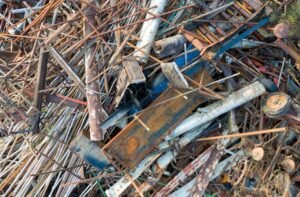
Ferrous Metals: These include steel, iron, and stainless steel. They are the backbone of construction and automotive manufacturing. In the Murray Bridge area, agricultural machinery and structural steel represent the bulk of ferrous scrap. While they are less valuable per kilogram than non-ferrous, their sheer volume makes them a critical component of the scrap trade.
Non-Ferrous Metals: This category includes copper, aluminium, brass, lead, and zinc. These metals are highly sought after because they can be recycled indefinitely without losing their properties. For instance, if you are looking for scrap copper pick up granville, you are participating in a high-value recycling stream. Understanding these grades is the first step in becoming a savvy seller. If you are curious about how other regional players manage their stock, looking into turners scrap metal can provide context on how established entities handle diverse metal grades.
The Environmental Benefits of Professional Recycling
Recycling scrap metal is one of the most effective ways to reduce our carbon footprint. When we recycle, we bypass the energy-intensive process of mining virgin ore. For example, recycling aluminium saves approximately 95% of the energy required to produce the same amount of aluminium from bauxite ore. This is the core mission of enviro scrap Murray Bridge initiatives—to keep valuable materials out of landfills and back into the production cycle.
Beyond energy savings, recycling reduces water consumption, air pollution, and the destruction of natural habitats caused by mining operations. By choosing to recycle through a certified scrap metal recycling platform, you are ensuring that your waste is handled in compliance with environmental regulations. This prevents toxic substances like lead or mercury from leaching into the Murray River ecosystem, a critical consideration for the Murray Bridge region.
The Digital Revolution: How Scrap Trading Works Today
The traditional scrap yard experience often involved long wait times, manual weighing, and manual payments. Modern platforms have digitized this entire journey. By using a professional scrap trading marketplace, you can list your material, receive quotes, and arrange logistics from your smartphone. This digital infrastructure provides a clear audit trail, which is increasingly important for businesses that need to report on their ESG (Environmental, Social, and Governance) metrics.
The process is simple: 1. Identify your scrap type. 2. Use a digital platform to assess the current market price. 3. Arrange for pickup or drop-off. 4. Receive payment securely. This transparency is the future of the industry. It empowers the seller and ensures that the recycling facility receives clean, sorted material, which in turn makes the processing stage more efficient and less energy-intensive.
Logistics and Collection: Maximizing Efficiency
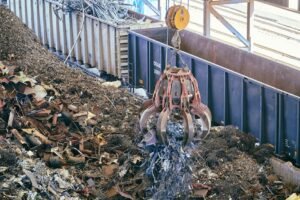
One of the biggest hurdles in the scrap industry is the cost and complexity of transport. In a regional area like Murray Bridge, consolidating loads is key to environmental and financial success. Whether you are a small business or a large farm, optimizing your collection schedule reduces the number of trucks on the road, thereby lowering the overall carbon impact of your recycling efforts.
When planning your scrap management, consider the following:
- Sorting at the source: Keeping your copper separate from steel significantly increases your payout.
- Cleanliness: Removing contaminants like plastic, rubber, or wood from your metal makes it more attractive to recyclers.
- Volume: Larger loads often qualify for better logistics rates or direct collection services.
Safety and Compliance in Metal Recycling
Safety is paramount when dealing with scrap metal. Heavy machinery, sharp edges, and potential hazardous materials require strict adherence to safety protocols. A professional recycler will always prioritize the safety of their workers and the public. This includes proper handling of hazardous waste, such as batteries or old radiators, which must be treated with care to avoid chemical leaks.
Furthermore, compliance with state and federal regulations is non-negotiable. This ensures that the scrap trade remains a legitimate and ethical industry. When you work with established entities, you can be confident that your scrap is not ending up in illegal dumping grounds but is instead being processed in a facility that meets all environmental and safety standards.
The Future of Circular Economy in South Australia
The circular economy is not just a buzzword; it is a necessity for a sustainable future. As the global demand for raw materials increases, the value of recycled metal will only continue to rise. Murray Bridge is well-positioned to be a leader in this transition. By adopting advanced recycling technologies and embracing the digital marketplace, the local community can turn waste into a valuable economic resource.
Looking ahead, we can expect to see more integration of AI and IoT in the scrap trade. These technologies will help in better identifying metal alloys, optimizing transport routes, and providing real-time pricing updates. This level of sophistication will make the act of recycling as simple as ordering a parcel, further encouraging participation from all sectors of society.
Practical Tips for Getting Started
If you have a pile of scrap sitting on your property, don’t let it go to waste. Start by conducting an inventory. Separate your ferrous and non-ferrous metals. Use a magnet to identify steel and iron. For non-ferrous, look for signs of copper, brass, or aluminium. Once you have sorted your material, research the current market rates using a trusted online platform. Remember that quality matters; clean, well-sorted scrap will always fetch a better price than mixed, dirty material.
Finally, choose a partner that values transparency. A good recycler will provide clear documentation of your transaction, ensuring you are paid fairly and that your environmental impact is accounted for. By following these steps, you are not just clearing space—you are actively participating in the global effort to conserve resources and protect our planet for future generations.
Conclusion
The journey of scrap metal from a forgotten pile in a shed to a high-tech manufacturing component is a testament to the power of recycling. Through the lens of enviro scrap Murray Bridge, we see a community that is capable of turning waste into wealth while safeguarding the local environment. By leveraging digital tools, understanding the nuances of metal grades, and prioritizing sustainable logistics, we can all contribute to a more efficient and cleaner world. The scrap trade is no longer a hidden, dirty industry; it is a vital, transparent, and high-tech sector that is essential to our modern existence. Start your recycling journey today, and be part of the solution.
Frequently Asked Questions
What is the most valuable type of scrap metal?
Non-ferrous metals like copper, brass, and aluminium are generally the most valuable. They are highly sought after because they can be recycled indefinitely without losing their chemical properties.
Why should I sort my scrap metal before selling it?
Sorting your metal by type and grade ensures you receive the highest possible payout. Recyclers prefer clean, sorted material because it saves them time and energy in the processing stage.
How do I know if my scrap metal is ferrous or non-ferrous?
The easiest way is to use a magnet. If the magnet sticks to the metal, it is ferrous (iron-based). If it does not stick, it is likely a non-ferrous metal such as aluminium, copper, or brass.
Does recycling scrap metal actually help the environment?
Yes, significantly. Recycling metal consumes far less energy than mining and refining virgin ore, reduces landfill waste, and helps lower greenhouse gas emissions associated with industrial production.