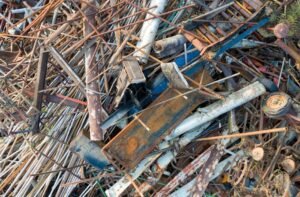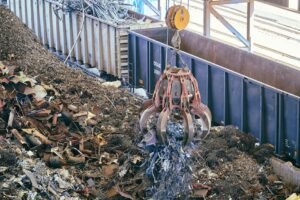

The term metal dealers refers to businesses and individuals licensed to purchase, sort, process, and resell ferrous and non-ferrous scrap metals. These entities form the backbone of Australia’s metal recycling industry, serving as intermediaries between generators of scrap—such as construction firms, manufacturing plants, automotive repair shops, and households—and large-scale recyclers or smelters. As demand for sustainable resource recovery grows, metal dealers are increasingly central to Australia’s circular economy, helping to reduce landfill use, lower carbon emissions, and recover valuable raw materials. With strict regulatory oversight, transparent pricing models, and evolving market dynamics, understanding how metal dealers operate is essential for businesses and individuals looking to sell scrap responsibly and profitably.
What Are Metal Dealers and How Do They Operate?
Metal dealers are licensed operators who specialize in the acquisition, sorting, processing, and resale of scrap metal. Their operations vary in scale—from small local yards to industrial-sized facilities—but all share the common goal of recovering valuable metals from end-of-life products and waste streams. These dealers serve as critical nodes in Australia’s recycling infrastructure, connecting metal suppliers with downstream processors such as foundries, smelters, and steel mills.
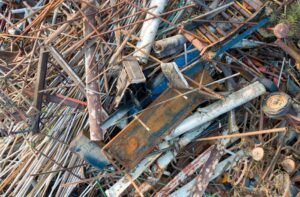
The process begins when individuals or businesses deliver scrap—ranging from old appliances and vehicles to industrial offcuts and decommissioned machinery—to a scrap metal dealers facility. Upon arrival, the material is weighed, sorted by type (e.g., copper, aluminium, stainless steel, cast iron), and inspected for contamination or hazardous components. Advanced facilities use tools like handheld XRF (X-ray fluorescence) analysers to ensure accurate metal identification, which directly impacts valuation.
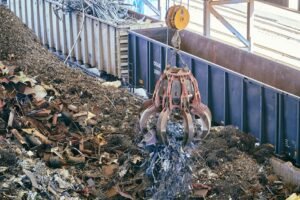
Once sorted, metals are processed through shearing, baling, shredding, or granulating to increase density and facilitate transport. Processed scrap is then stored and sold in bulk to domestic or international buyers. Some metal dealers also offer additional services such as on-site collection, demolition support, and asset recovery, particularly for industrial clients.
It’s important to note that not all metal dealers are equal. Reputable dealers adhere to Australian standards for environmental compliance, workplace safety, and ethical sourcing. They maintain proper documentation for transactions, especially for high-value metals like copper and lead, to prevent involvement in metal theft. The National Association of Recycling Industries (Recycling Industries Australia) sets benchmarks for best practices, and many leading metal dealers are accredited members, demonstrating their commitment to transparency and sustainability.
Types of Metals Handled by Metal Dealers
Metal dealers handle two primary categories of scrap: ferrous and non-ferrous metals. Each type has distinct characteristics, market values, and recycling applications.
- Ferrous Metals: Contain iron and are magnetic. Common examples include mild steel, cast iron, and stainless steel. These are widely used in construction, automotive manufacturing, and infrastructure. While generally less valuable than non-ferrous metals, ferrous scrap is recycled in massive volumes—Australia recycles over 6 million tonnes annually, with a domestic recycling rate exceeding 80% for steel.
- Non-Ferrous Metals: Do not contain iron and are non-magnetic. These include copper, aluminium, brass, lead, zinc, and nickel alloys. Non-ferrous metals are prized for their high scrap value, corrosion resistance, and electrical conductivity. Copper, for instance, can fetch up to 10 times the price of steel per kilogram, making it a primary target for both legitimate sellers and metal thieves.
Within these broad categories, metal dealers further classify materials based on purity, form, and contamination. For example:
- Bare bright copper wire (clean, uncoated) is the highest grade and commands premium prices.
- Insulated copper wire requires processing to remove plastic sheathing and is priced lower.
- Aluminium extrusions from windows or roofing are more valuable than mixed aluminium turnings or contaminated foils.
- Stainless steel is graded by alloy content (e.g., 304, 316), with marine-grade 316 being more valuable due to higher nickel and molybdenum content.
Accurate classification is essential, as misidentification can lead to underpayment or rejection. Reputable Metal Prices platforms provide up-to-date grading standards and market rates, helping both sellers and dealers maintain fairness and consistency.
Regulatory and Compliance Framework for Metal Dealers
In Australia, metal dealers operate under stringent state and federal regulations designed to combat metal theft, ensure traceability, and promote environmental responsibility. These regulations vary by jurisdiction but generally include:
- Licensing Requirements: All scrap metal dealers must hold a valid license issued by their state’s environmental protection or business regulator. For example, in New South Wales, dealers are licensed under the Environmental Planning and Assessment Act 1979, while in Victoria, licensing falls under the Environment Protection Act 2017.
- Transaction Reporting: Dealers must record detailed information for every transaction, including the seller’s full name, address, photo ID, description of material, weight, and payment method. Cash payments above $1,000 are often restricted or prohibited to discourage illicit activity.
- Hold Periods: Many states mandate a holding period (typically 48–72 hours) before processed metal can be resold or removed from site. This allows law enforcement to investigate potential stolen goods.
- Prohibited Items: Certain materials—such as gas cylinders, transformers containing PCBs, or asbestos-insulated cables—are banned from sale due to safety and environmental risks.
These measures are enforced through regular audits and inspections. Non-compliance can result in fines, license suspension, or criminal charges. For consumers, dealing with licensed metal dealers ensures legal accountability and safer recycling practices.
Additionally, environmental regulations under the National Waste Policy Action Plan require dealers to manage stormwater runoff, control dust emissions, and properly dispose of non-recyclable residues. Many facilities have adopted ISO 14001 environmental management systems to demonstrate compliance and improve operational efficiency.
How Metal Dealers Determine Scrap Value
Pricing in the scrap metal industry is dynamic, influenced by global commodity markets, supply chain conditions, and domestic demand. Metal dealers use a tiered pricing model based on several key factors:
- Global Market Prices: The London Metal Exchange (LME) and Shanghai Futures Exchange (SHFE) set benchmark prices for metals like copper, aluminium, and zinc. Fluctuations in these markets—driven by geopolitical events, mining output, and industrial demand—directly affect local scrap valuations.
- Domestic Supply and Demand: Local factors such as construction activity, manufacturing output, and export demand influence how much dealers are willing to pay. For example, a surge in housing construction increases demand for copper wiring and aluminium framing, driving up scrap prices.
- Material Quality and Preparation: Clean, sorted, and properly prepared scrap is worth more. Contaminated loads or mixed metals may be discounted or rejected entirely. Removing non-metal components (e.g., plastic, rubber, wood) before delivery can significantly improve returns.
- Volume and Frequency: Commercial clients who deliver large, consistent volumes often receive better rates through negotiated contracts. Some metal dealers offer tiered pricing or loyalty programs for repeat suppliers.
To stay competitive, dealers regularly update their price lists. For real-time insights, users can refer to Metal Prices, which aggregates current rates from major Australian processors and provides historical trends. This transparency helps sellers compare offers and avoid underpayment.
It’s also important to understand payment methods. While some dealers pay cash on delivery, others issue electronic transfers or cheques. Reputable operators provide itemized receipts detailing weight, metal type, rate per kilogram, and total payment. Buyers should always request documentation to ensure fair treatment.
Finding Reliable Metal Dealers Across Australia
With hundreds of metal dealers operating nationwide, selecting a trustworthy partner requires due diligence. Whether you’re a homeowner clearing a garage or a contractor managing demolition waste, choosing a licensed, transparent, and conveniently located dealer maximises value and minimises risk.
The most effective way to locate reputable metal dealers is through digital platforms like Metal Recycling Near Me, which maps certified facilities by postcode, displays current prices, and includes customer reviews. These tools help users compare services, verify licensing, and identify dealers offering free drop-off or pickup options.
Regional differences matter. In Western Australia, for instance, the concentration of mining and energy infrastructure creates high demand for scrap metal recycling. Operators such as scrap metal dealers perth often specialise in industrial-grade materials, including heavy machinery parts and offshore rig components. In contrast, urban centres like Sydney and Melbourne see higher volumes of household and commercial scrap, leading to more consumer-focused services.
When evaluating a dealer, consider the following:
- Does the facility display its license number visibly?
- Are prices posted publicly or available upon request?
- Do they provide written documentation for all transactions?
- Are safety and environmental protocols visible (e.g., fencing, signage, spill containment)?
- Do they accept the specific types of metal you’re selling?
For businesses planning long-term scrap management, some dealers offer custom solutions such as on-site bins, scheduled pickups, and detailed reporting for sustainability audits. These services are particularly valuable for compliance with corporate ESG (Environmental, Social, and Governance) goals.
The Role of Technology and Innovation in Metal Dealing
The scrap metal industry is undergoing rapid technological transformation, with metal dealers adopting digital tools to improve efficiency, accuracy, and customer experience.
Modern facilities now use:
- Digital Weighbridges: Integrated with software that automatically logs weight, generates invoices, and stores transaction history.
- AI-Powered Sorting Systems: Conveyor belts equipped with sensors and robotics can separate metals by type at high speed, reducing manual labour and improving purity.
- Blockchain for Traceability: Pilot programs in Australia are exploring blockchain to track scrap from source to smelter, ensuring ethical sourcing and reducing fraud.
- Online Price Portals: Platforms like Metal Prices provide real-time updates, helping sellers make informed decisions without visiting multiple yards.
- Mobile Apps for Sellers: Some dealers offer apps that allow users to schedule pickups, view current rates, and receive instant quotes based on material photos.
These innovations are not limited to large operators. Even small, independent metal dealers are leveraging cloud-based management systems to streamline operations and compete in a digital-first market.
Looking ahead, the integration of data analytics will enable dealers to forecast market trends, optimise inventory, and offer dynamic pricing. For consumers, this means faster service, fairer valuations, and greater transparency. As the industry evolves, staying informed about technological advances will be key to maximising returns when selling scrap.
Future Trends: What to Expect from Metal Dealers in 2026 and Beyond
The landscape for metal dealers in Australia is set for significant change by 2026, driven by regulatory shifts, sustainability mandates, and evolving consumer behaviour.
Key trends include:
- Increased Regulatory Harmonisation: While scrap regulations are currently state-based, there is growing momentum for national standardisation to reduce compliance complexity and improve enforcement against metal theft.
- Expansion of Urban Mining: As landfill diversion targets rise, councils and developers are treating buildings and infrastructure as ‘urban mines’. Metal dealers will play a central role in deconstruction and material recovery projects, particularly in major cities.
- Electric Vehicle (EV) Recycling: With EV adoption accelerating, dealers will need to adapt to new scrap streams, including lithium-ion battery packs, rare earth magnets, and high-voltage copper cabling. Specialised processing and safety protocols will become essential.
- Carbon Pricing and Green Premiums: Recycled metal has a significantly lower carbon footprint than virgin ore extraction. As Australia moves toward net-zero goals, manufacturers may pay a ‘green premium’ for recycled content, boosting demand and prices for scrap.
- Consolidation of the Industry: Smaller, non-compliant yards may be pushed out by tightening regulations, leading to market consolidation and greater dominance by accredited, tech-enabled operators.
For individuals and businesses, this means greater opportunities to profit from scrap while contributing to environmental goals. Platforms like Sell Scrap Metal Near Me In 2026 are already preparing users for these changes, offering forward-looking guidance on emerging materials, regulatory updates, and optimal selling strategies.
Practical Tips for Selling to Metal Dealers
To get the best value when selling scrap to metal dealers, follow these expert-backed strategies:
- Sort Your Materials: Separate metals by type before delivery. Mixed loads are downgraded, reducing your payout. Use a magnet to distinguish ferrous from non-ferrous metals.
- Clean and Prepare: Remove dirt, oil, plastic, and insulation. Stripping copper wire or draining oil from machinery can significantly increase value.
- Know the Market: Check current Metal Prices before selling. Rates can vary between dealers and change weekly.
- Compare Multiple Dealers: Don’t accept the first offer. Use Metal Recycling Near Me to compare rates, services, and customer reviews in your area.
- Bring Proper ID: Licensed dealers are required to record your identification. Bring a driver’s licence or passport to avoid delays.
- Sell in Bulk: Larger volumes typically receive better per-kilogram rates. Consider storing scrap until you have a substantial amount.
- Ask for a Breakdown: Request a detailed receipt showing weight, metal type, rate, and total payment. This protects you and builds trust.
- Avoid Prohibited Items: Never bring hazardous materials like batteries, gas bottles, or electrical transformers unless the dealer explicitly accepts them.
By following these steps, you ensure a smooth, profitable transaction while supporting responsible recycling. For businesses, implementing a structured scrap management program can generate recurring revenue and improve sustainability reporting.
For more information on industry standards and best practices, visit Australia’s leading scrap metal trading platform. Additionally, explore comprehensive resources on metal recycling regulations and market trends to stay ahead in this evolving sector.
Frequently Asked Questions
What documents do I need to sell scrap metal to metal dealers?
You must present valid photo identification, such as a driver’s licence or passport. Licensed metal dealers are required by law to record your details for every transaction to prevent metal theft and ensure traceability.
How do metal dealers price different types of scrap?
Prices are based on global commodity markets, material type, purity, and preparation. Ferrous metals like steel are priced lower than non-ferrous metals such as copper and aluminium. Clean, sorted scrap fetches higher rates.
Are there restrictions on selling certain metals in Australia?
Yes, dealers cannot accept hazardous materials like gas cylinders, PCB-containing transformers, or asbestos-insulated cables. High-risk metals such as copper may have hold periods and reporting requirements to deter theft.
Can I get my scrap metal collected instead of delivering it?
Many metal dealers offer pickup services, especially for commercial clients or large volumes. Check with local operators or use platforms like Metal Recycling Near Me to find dealers with collection options.