
Finding a reliable buyer of scrap catalytic converter is a critical step for workshops, mechanics, and private collectors looking to extract maximum value from automotive waste. Because these components contain highly valuable precious metals, the market is complex, often fluctuating based on global commodity prices. Whether you are looking to Sell My Catalytic Converter or simply understand the market dynamics, this guide provides the technical expertise required to navigate the industry safely and profitably.
The Role of Precious Metals in Catalytic Converters
At the heart of every cat converter is a ceramic honeycomb structure coated with a washcoat containing platinum group metals (PGMs)—specifically platinum, palladium, and rhodium. These metals act as catalysts, converting toxic exhaust gases like carbon monoxide and nitrogen oxides into less harmful substances. Because these metals are exceptionally rare and difficult to mine, the recycling industry has become a vital source of supply for the global manufacturing sector.
Platinum is primarily used in diesel engines, while palladium is the dominant metal in petrol-powered vehicles. Rhodium, often the most expensive of the three, is essential for reducing nitrogen oxides. A professional buyer of scrap catalytic converter uses specialized XRF (X-ray fluorescence) analyzers to determine the exact density of these metals. The value of your scrap is not determined by the size or weight of the steel casing, but by the gram-weight of the precious metal dust trapped within the ceramic substrate. Understanding this distinction is the first step in ensuring you receive fair market compensation when you decide to catalytic converter sell for scrap.
Understanding Scrap Grading and Pricing Models
The pricing of scrap converters is notoriously opaque to the uninitiated. To combat this, industry experts rely on standardized grading systems. You can consult our detailed Catalytic Converter Scrap Grading Pricing Guide 2026 Edition to see how specific serial numbers and vehicle makes correlate to current market valuations. Generally, converters are graded by their origin (OEM vs. aftermarket) and their specific PGM loading.
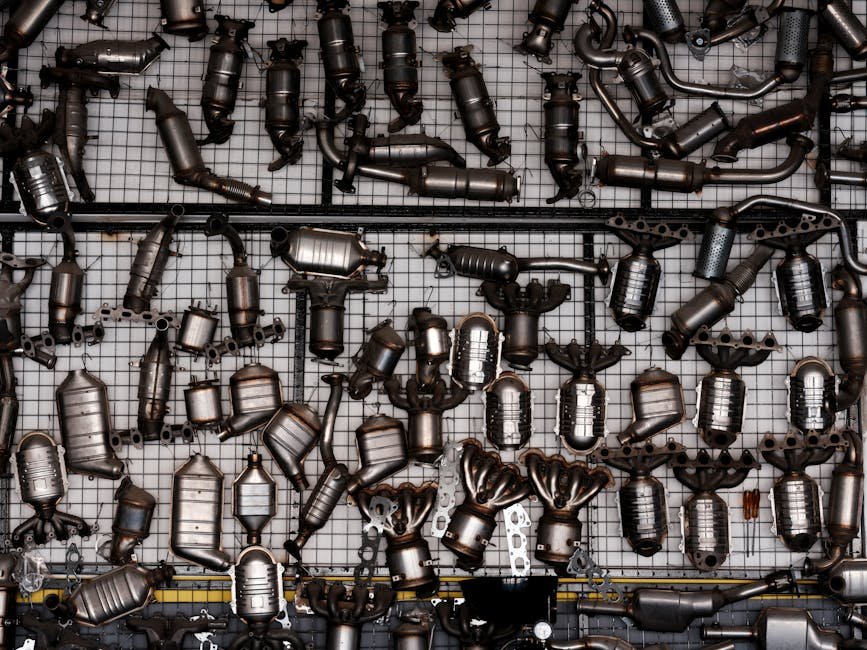
OEM (Original Equipment Manufacturer) units typically contain higher concentrations of precious metals compared to aftermarket units, which are often built to cheaper specifications. A trusted dealer will categorize your items into specific buckets, such as ‘small foil,’ ‘large ceramic,’ or ‘diesel particulate filters’ (DPFs). Each category carries a different price per unit or per kilogram. If you are dealing with other industrial metals, you might also look for a reputable brass scrap buyer perth to consolidate your scrap shipments and maximize your logistics efficiency.
The Recycling Process: From Scrap to Commodity
The journey from a discarded exhaust component to a raw precious metal bar is a marvel of industrial chemistry. Once a buyer of scrap catalytic converter acquires the units, the process begins with decanning—removing the steel shell to access the ceramic honeycomb. The ceramic is then milled into a fine powder, homogenized, and sampled for assaying.
Assaying is the process of determining the exact purity of the PGM content. Once the concentration is verified, the powder undergoes smelting and chemical refining. This high-heat process separates the palladium, platinum, and rhodium from the ceramic substrate. The resulting metals are then purified to 99.9% and sold back into the supply chain for the production of new vehicles, medical equipment, and electronics. This closed-loop system is a cornerstone of the circular economy, significantly reducing the environmental impact of traditional open-pit mining.
Environmental Benefits and Regulatory Compliance
Recycling catalytic converters is one of the most environmentally impactful activities in the scrap industry. Mining for platinum group metals is energy-intensive and causes significant land degradation. By recovering these metals from scrap, we reduce the need for virgin mining by up to 90% for certain applications. Furthermore, the proper disposal of converters prevents heavy metals from leaching into groundwater in landfill sites.
In Australia, there are strict environmental regulations regarding the handling of hazardous waste. When you choose to work with a trusted metal recycling partner, you ensure that the recycling process adheres to all local environmental standards. This is not just about profit; it is about corporate responsibility. Whether you are a small garage or a large fleet operator, documenting your scrap sales is essential for environmental auditing and tax purposes. Always ensure your buyer provides a manifest or receipt that tracks the material flow.
How to Identify Trusted Dealers
The scrap metal market can occasionally attract unscrupulous operators. To protect your interests, look for buyers who offer transparent pricing based on real-time market data. A legitimate buyer will always be happy to explain their grading process and show you how they arrive at a price. Avoid buyers who offer ‘flat rates’ for all converters, as this is almost always a sign that you are being underpaid for high-value units.
Check for industry certifications and a physical presence. A credible online metal trading platform will have a verifiable business address and a track record of transparent transactions. If you are looking for specific processing capabilities, such as those provided by Ecotrade Catalytic Converter services, ensure they have the technical infrastructure to perform accurate sampling. Always ask for references if you are selling in bulk, and never feel pressured to accept a price on the spot without doing your own due diligence on current spot prices for palladium and rhodium.
Logistics and Preparation for Sale
Preparation is key to getting the best price for your scrap. Before contacting a buyer, organize your converters by serial number if possible. Many buyers use serial number databases to provide an instant quote. Keep the units dry and free of excessive rust or debris, as heavy contamination can sometimes lead to lower weight-based offers. If you are shipping your scrap, ensure it is packaged securely to prevent damage to the ceramic core, as broken or crushed ceramic can lead to material loss and lower valuations.
Consolidating your scrap is another way to increase your profit margin. If you have a mix of materials, such as copper, aluminum, and catalytic converters, grouping them into a single shipment can reduce freight costs. Many buyers prefer to deal with sellers who provide clean, sorted loads. By presenting your material in a professional manner, you demonstrate that you are a serious seller, which often leads to better long-term relationships and preferential pricing tiers with your chosen scrap buyer.
Market Trends and Future Outlook
The market for PGMs is currently undergoing a shift due to the rise of electric vehicles (EVs). While EVs do not use catalytic converters, the demand for platinum and palladium remains robust due to their use in hydrogen fuel cell technology and other industrial applications. Furthermore, the ‘legacy’ fleet of internal combustion engine vehicles will continue to provide a steady stream of scrap for the next two decades. This ensures that the business of buying and recycling converters will remain a profitable and essential industry for the foreseeable future.
Staying informed about these trends is part of being a successful participant in the scrap market. Follow global commodity exchanges and monitor the price of rhodium specifically, as it is often the most volatile of the PGM group. By keeping a close eye on these macro-economic indicators, you can time your sales to coincide with market peaks, further maximizing the return on your scrap inventory.
Conclusion: Maximizing Your Scrap Value
Navigating the world of catalytic converter recycling requires a mix of technical knowledge and strategic partnership. By understanding the grading process, staying updated on PGM market prices, and working with a trusted buyer of scrap catalytic converter, you can turn automotive waste into a significant revenue stream. Whether you are a mechanic, a scrap yard owner, or an individual enthusiast, the principles of transparency, proper grading, and environmental compliance remain the gold standard for success. Start by auditing your current stock, utilizing our resources to grade your items, and connecting with reputable buyers who value accuracy and integrity in the metal trading space.
Frequently Asked Questions
Why is the price of scrap catalytic converters so volatile?
The price is directly tied to the global market value of platinum, palladium, and rhodium. Because these metals are traded as commodities, their prices fluctuate daily based on supply, demand, and geopolitical factors.
How do I know if I am getting a fair price for my converter?
A fair price is determined by the specific PGM content of your unit, which can be verified via serial number databases or XRF analysis. Always compare quotes from multiple buyers and avoid those who offer a flat, non-negotiable price for all units.
What is the difference between OEM and aftermarket converters in terms of value?
OEM converters typically contain a higher concentration of precious metals and are manufactured to stricter standards, making them significantly more valuable. Aftermarket units often have much lower PGM loadings, resulting in lower scrap valuations.
Can I sell a catalytic converter that has been gutted?
Most professional buyers will not purchase gutted converters because the value lies entirely in the ceramic substrate containing the precious metals. Always sell the unit intact to ensure you receive the full value of the PGM content.