
When it comes to copper recycling Ingleburn, understanding the nuances of material grading and market fluctuations is the difference between a modest payout and a significant profit. As a vital hub for industrial activity in Sydney’s southwest, Ingleburn offers a unique landscape for both commercial contractors and residential renovators to capitalize on the high demand for non-ferrous metals. Whether you are clearing out a job site or managing ongoing waste streams, knowing how to handle your scrap effectively is essential.
Understanding Copper Grades and Market Value
The global demand for copper remains robust due to its critical role in electrical infrastructure, renewable energy systems, and construction. However, not all scrap is valued equally. To get the best copper price per kg, you must understand the distinction between various grades. The industry standard classifies copper based on purity, oxidation levels, and the presence of contaminants like insulation or solder.
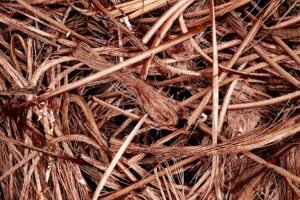
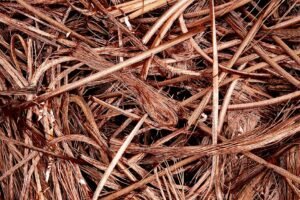
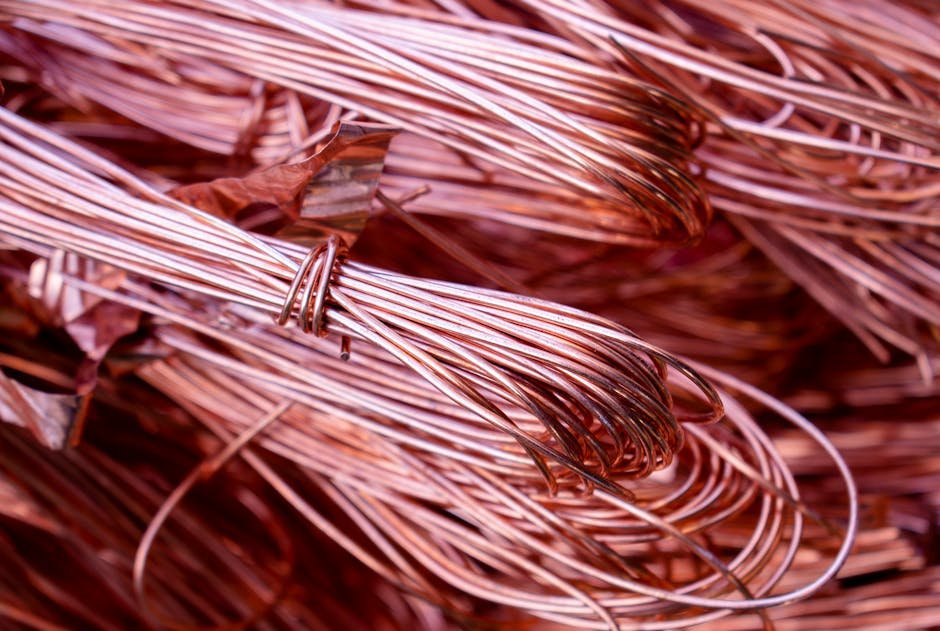
Bare bright copper is the gold standard for recyclers. This refers to clean, unalloyed, uncoated, and uninsulated copper wire that is approximately 16 gauge or thicker. Because it requires minimal processing, it commands the highest price. Conversely, number 2 copper consists of wire or pipe that may have some oxidation, light coating, or minor impurities. While still valuable, it sits lower on the price ladder than bare bright. By taking the time to strip your copper wire or separate your clean copper pipe from contaminated pieces, you ensure that you are not leaving money on the table during your next visit to a local yard.
For those located in nearby industrial pockets, we also provide resources for copper recycling minto to ensure you have coverage across the entire Macarthur region. Consistent sorting practices will significantly improve your bottom line over time.
The Logistics of Scrap Recycling Ingleburn
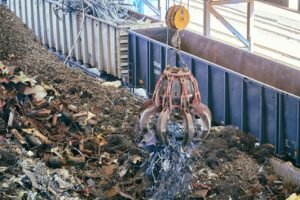
Efficiency is the cornerstone of profitable scrap management. For businesses engaged in scrap recycling ingleburn, logistics can often be the hidden cost that eats into margins. If you are handling large volumes of copper—such as demolition debris or electrical cable offcuts—you need a streamlined process for collection, transport, and weighing.
Many professional traders utilize Scrap Metal Recycling Near Me tools to identify facilities that offer weigh-and-pay services, skip bin hire, or scheduled pickups. By partnering with a reputable Australian scrap metal trading platform, you gain access to real-time market data that helps you decide when to sell. Timing is everything in the commodities market; selling when the market is trending upward can lead to substantial gains, especially for large-scale industrial sellers.
Effective recycling isn’t just about the money; it is about participating in a circular economy. When you engage with the Recycling Community, you contribute to a sustainable future where raw material extraction is reduced. This is particularly important in the context of copper, a finite resource that is 100% recyclable without any loss of quality.
How to Prepare Your Scrap for Maximum Profit
Preparation is the secret weapon of the expert scrapper. If you arrive at a facility with a mixed bag of materials, you will likely be paid for the lowest grade in the batch. To avoid this, follow these professional preparation tips:
- Strip your cables: While it takes time, stripping the plastic insulation from copper wire can increase its value from a lower grade to bare bright. Invest in a high-quality wire stripper if you handle large volumes.
- Clean your pipe: Remove any brass fittings, lead solder, or plastic connectors from your copper pipe. Pure copper is always worth more than alloyed or contaminated sections.
- Sort by grade: Keep your bare bright, number 2 copper, and copper-bearing materials in separate, clearly labeled containers. This demonstrates professionalism and speeds up the weighing process at the yard.
- Remove steel attachments: If your copper is attached to steel or iron components, use a saw or grinder to separate them. Ferrous contamination is one of the most common reasons for price downgrades.
By treating your scrap as a high-value commodity rather than waste, you shift your approach to the industry. For those looking for more general information, our comprehensive guide on Scrap Copper provides further insights into global pricing trends and local processing standards.
Environmental Impact and Sustainability
The environmental case for copper recycling Ingleburn is undeniable. Mining virgin copper is an energy-intensive process that involves massive land disruption and significant carbon emissions. Recycling, by contrast, uses up to 85% less energy than primary production. By diverting copper from landfills, local businesses and residents in Ingleburn are playing a direct role in reducing the carbon footprint of the Australian construction and manufacturing sectors.
Furthermore, copper is a permanent material. It can be melted down and reformed indefinitely without degrading its atomic structure. This makes it a pillar of the transition to green energy. Electric vehicles (EVs) and wind turbines require significantly more copper than traditional combustion-engine vehicles or fossil fuel power plants. As the world transitions to these technologies, the demand for recycled copper will only continue to climb, making your scrap efforts more valuable than ever.
Navigating the Market and Finding Reliable Partners
Not all scrap yards are created equal. When selecting a partner for your recycling needs, look for transparency in their weighing process and clarity in their pricing structure. A reputable yard will be happy to explain how they grade your materials and will offer a fair price based on current LME (London Metal Exchange) rates. You can find a wide range of verified facilities by visiting the main scrap metal trading platform to compare services and read reviews from other industry professionals.
Building a long-term relationship with a yard is also beneficial. Regular suppliers often receive better service, faster turnaround times, and occasionally, preferential pricing. If you are a contractor, inquire about commercial accounts that allow for streamlined invoicing and regular site clearances. This is particularly useful for large-scale projects where managing waste is a logistical challenge.
Safety Protocols for Handling Scrap Metal
Working with scrap metal is inherently hazardous. Copper wire often has sharp ends, and copper pipe can have jagged edges or be contaminated with residual chemicals. Always wear heavy-duty cut-resistant gloves, steel-capped boots, and eye protection when sorting or transporting your materials. If you are stripping wire, ensure you are working in a well-ventilated area to avoid inhaling dust or fumes from insulation coatings.
Additionally, be mindful of the weight. Copper is a dense metal, and it is easy to overload vehicles, which can be dangerous and illegal. Always adhere to your vehicle’s payload capacity and secure your load properly to prevent accidents during transport to the recycling facility.
Future Trends in the Copper Industry
As we look toward the future, the integration of technology into the scrap industry is accelerating. We are seeing the rise of digital platforms that provide instant quotes, automated sorting technologies that use X-ray fluorescence (XRF) to determine metal composition, and improved logistics tracking. These advancements are making it easier for the average seller to participate in the market with confidence.
The push for a circular economy in Australia is also leading to tighter regulations on waste management. This will likely result in more stringent requirements for how scrap is processed, favoring those who maintain high standards of cleanliness and sorting. By adopting these best practices now, you are future-proofing your business and ensuring that you remain a competitive player in the scrap metal market.
Conclusion: Taking the Next Step
Maximizing your returns from copper recycling requires a combination of knowledge, preparation, and the right partnerships. By understanding the differences between bare bright and number 2 copper, staying informed about the current copper price per kg, and utilizing the resources available through our trading platform, you can turn your scrap into a reliable revenue stream. Whether you are a local electrician, a plumber, or a site manager, the effort you put into sorting and cleaning your materials will pay dividends.
Start by auditing your current waste streams. Are you separating your metals correctly? Are you working with a facility that values your consistency? Use the tools and links provided in this guide to connect with the right partners and join a community dedicated to sustainable and profitable metal recycling. Remember, every kilogram of copper you recycle is a contribution to a more sustainable Australia and a smarter way to manage the resources we have at our disposal.
Related: scrap recycling ingleburn
Frequently Asked Questions
What is the difference between bare bright and number 2 copper?
Bare bright copper is clean, uninsulated, and unalloyed wire that is thick enough to be easily processed, making it the most valuable grade. Number 2 copper includes wire or pipe that has some oxidation, minor impurities, or light coatings, which requires more processing and thus commands a lower price.
How can I get the best copper price per kg in Ingleburn?
To get the best price, ensure your copper is free from all contaminants like insulation, paint, solder, and steel attachments. Sorting your scrap into distinct grades before arriving at the yard will prevent you from being paid at the lowest grade rate.
Is it worth stripping copper wire myself?
Yes, if you have a high volume of wire, stripping the insulation can significantly increase your payout by moving the material from a lower grade to bare bright. However, consider the time and equipment costs involved to ensure it remains profitable for your specific volume.
Where can I find reliable scrap metal recycling near me?
You can use our dedicated search tools at the provided links to find verified recycling facilities in your area. Look for yards that offer transparent weighing, current market pricing, and professional service for both commercial and residential clients.