
When it comes to copper recycling Penrith, both residential renovators and commercial contractors have a significant opportunity to turn waste into wealth. As a highly conductive, infinitely recyclable metal, copper maintains its value regardless of how many times it is processed. Understanding the local market dynamics in Western Sydney is essential for anyone looking to optimize their returns. Whether you are clearing out a renovation site or managing industrial electrical waste, knowing the difference between various grades of scrap is the first step toward profitability.
Understanding Copper Grades and Market Value
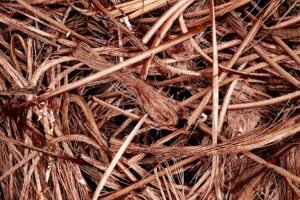
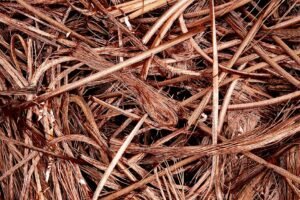
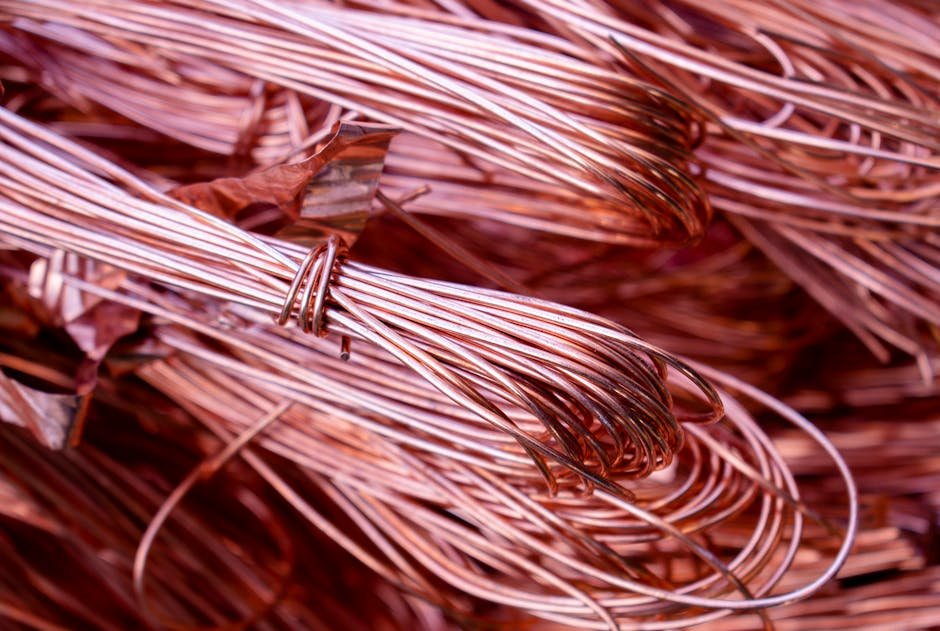
The scrap metal industry relies on a standardized grading system to determine the value of your materials. If you are involved in copper recycling Penrith, you must be able to distinguish between the primary grades to ensure you are paid fairly. The highest value is typically assigned to bare bright copper, which consists of clean, unalloyed, uncoated copper wire that is free of oxidation or insulation. This is the gold standard for scrap dealers because it requires minimal processing before it can be melted down for industrial use.
Next on the value chain is number 2 copper. This grade often includes copper pipe that has been soldered, or wire that has slight oxidation or minor contaminants. While it commands a lower price than bare bright, it is still a highly sought-after commodity. Understanding these classifications allows you to separate your loads effectively. If you mix high-grade copper with lower-grade material, you will often be paid at the lower rate for the entire batch. By segregating your scrap, you ensure that you receive the maximum copper price per kg available on the daily market.
Beyond these two, there is also insulated copper wire. The value here depends heavily on the ‘recovery rate’—the amount of pure copper contained within the plastic coating. Experienced scrappers often use stripping tools to remove the insulation, effectively upgrading their scrap from a lower-value category to a higher-value one. For those looking for more information on how to prepare their materials, our Recycling Community offers extensive tips and peer advice.
The Environmental and Economic Impact of Recycling
Copper is a critical component of the modern economy, found in everything from plumbing systems to renewable energy infrastructure. Because mining virgin copper is an energy-intensive and environmentally taxing process, recycling existing copper is vital for sustainability. Every tonne of copper recycled saves roughly 85% of the energy that would have been required to mine and refine new ore. By participating in local initiatives, you are not just making money; you are contributing to a circular economy that reduces the demand for destructive mining practices.
In Western Sydney, the infrastructure for metal recovery is robust. If you are searching for a reliable partner, finding Scrap Metal Recycling Near Me is the best way to ensure your materials are handled by licensed facilities that follow strict environmental regulations. These facilities ensure that hazardous materials, such as lead-based solders or plastic insulation, are disposed of or treated responsibly. This commitment to professional standards is why we advocate for using reputable platforms like Scrap Trade Australia to locate verified buyers.
Furthermore, the economic benefit extends to the local community. By keeping scrap metal within the regional supply chain, you support local jobs and keep industrial materials out of landfills. Whether you are dealing with industrial-grade copper pipe or small amounts of household wiring, every kilogram counts toward a cleaner, more efficient Penrith.
How to Prepare Your Scrap for Maximum Profit
Preparation is the difference between a mediocre payout and a great one. When you arrive at a facility for copper recycling Penrith, your material should be clean and sorted. Dealers are busy, and they appreciate sellers who have done the legwork. Start by removing any non-metallic attachments, such as steel fittings on copper pipes, plastic connectors, or excessive amounts of tape and labels. Even small amounts of ‘contamination’ can downgrade your entire load.
Consider the tools required for efficient processing. A quality wire stripper is an essential investment for anyone who handles large volumes of electrical cable. If you have a significant quantity of heavy-gauge wire, the time spent stripping it will almost always pay for itself in the increased copper price per kg you receive. Additionally, keep your copper dry and stored away from elements that cause oxidation. While light surface oxidation is expected, heavy corrosion can sometimes lead to a lower grade assessment.
It is also helpful to keep an eye on market trends. The global copper market is volatile, influenced by industrial demand in China, mining output in South America, and the overall health of the construction sector. While you cannot control the global market, you can choose when to sell. If you have the storage space, holding onto your scrap during a temporary price dip can lead to significantly better returns once the market rebounds. For those interested in broader market insights, visit Scrap Trade to stay updated on industry news.
Comparing Regional Recycling Hubs
While this guide focuses on Penrith, it is useful to understand the broader context of metal recycling in the Sydney metropolitan area. Different regions have different specializations. For instance, those looking for copper recycling artarmon will find a different set of logistical considerations compared to the industrial-heavy landscape of Penrith. Similarly, artarmon copper recycling services often cater to a mix of commercial office strip-outs and residential trade, whereas Penrith facilities are often better equipped to handle bulk industrial loads and large-scale demolition scrap.
When choosing a facility, consider the following: Does the site offer weighing transparency? Are they transparent about their current pricing? Do they provide convenient drop-off hours? A reputable dealer will always be happy to show you how your material is weighed and explain the grading process. If you are unsure where to start, our comprehensive database of Scrap Copper resources can help you identify the best facility for your specific needs, regardless of whether you are in the west or the north of the city.
Safety Protocols for Handling Scrap Metal
Safety should never be compromised for profit. Scrap metal, particularly copper, can be sharp and heavy. When handling old electrical wiring, ensure the power is completely disconnected. Never attempt to strip live wires or handle cables that may still be connected to a grid. Always wear heavy-duty gloves to protect against cuts from sharp pipe edges or frayed wire strands. If you are moving large quantities, use appropriate lifting techniques or mechanical aids like hand trucks to prevent back injury.
Furthermore, be aware of environmental safety. If you are stripping insulation from old wires, do so in a well-ventilated area. Some older insulation materials may contain hazardous compounds. If you are dealing with heavy industrial scrap, ensure you are wearing steel-capped boots and high-visibility clothing, especially if you are entering a busy industrial yard. By maintaining high safety standards, you protect yourself and ensure a professional relationship with your scrap dealer.
The Future of Copper Recycling in Australia
The push toward electrification—driven by electric vehicles, solar power, and energy-efficient building standards—means the demand for copper will only increase. This makes the role of the recycler more important than ever. As we transition to a greener economy, the ‘urban mine’ (the collection of metals already in circulation) will become a primary source of raw materials. By participating in copper recycling Penrith, you are at the forefront of this transition.
Technological advancements in sorting, such as X-ray fluorescence (XRF) scanners, are becoming more common in larger recycling facilities. These tools allow for precise identification of metal alloys, ensuring that copper is recycled with high purity. As these technologies become more accessible, the efficiency of the entire recycling chain will improve, leading to better pricing and more sustainable outcomes for everyone involved. Stay connected with industry updates to ensure you are leveraging the latest methods for your scrap collection.
Practical Tips for Ongoing Scrap Management
If you generate scrap regularly, such as a plumber or electrician, implement a management system. Use designated bins for different grades of copper. Label them clearly: ‘Bare Bright’, ‘Pipe’, ‘Insulated’. This prevents cross-contamination and makes the final sorting process at the recycling yard quick and easy. Keep a log of what you collect and when you sell it; this can provide valuable data on your business’s secondary revenue streams.
Building a relationship with a specific yard can also be beneficial. If you are a consistent supplier of clean, well-sorted material, some yards may be willing to offer you a loyalty premium or better terms. Don’t be afraid to call ahead and ask about their current requirements. Sometimes a yard might be specifically looking for a certain grade, and they may be willing to pay a premium to secure it. Effective communication is a powerful tool in the scrap trade.
Conclusion: Turning Waste into Opportunity
Copper recycling Penrith is more than just a way to clear out a garage or a job site; it is an active participation in a global resource recovery system. By understanding the nuances of copper grades, keeping your materials clean, and staying informed about market fluctuations, you can turn what many consider ‘junk’ into a significant financial asset. The industry is evolving, and those who take the time to learn the ropes will always find themselves ahead of the curve. Whether you are a casual recycler or a professional contractor, the value is there—you just need to know how to capture it. Start by organizing your next load, identifying your grades, and heading to your local facility. Your contribution to the circular economy starts today.
Frequently Asked Questions
What is the difference between bare bright copper and number 2 copper?
Bare bright copper is clean, uncoated, and unalloyed wire that is free of oxidation, making it the highest-value grade. Number 2 copper includes pipes with solder or wire that has slight oxidation, which commands a lower price due to the extra processing required.
How can I get the best copper price per kg in Penrith?
To get the best price, ensure your copper is clean, sorted by grade, and free of non-metallic contaminants like plastic, steel, or dirt. Calling ahead to check current market rates and building a relationship with a local yard can also help you secure better pricing.
Is it worth stripping insulated copper wire?
Yes, if you have a large volume of wire, stripping the insulation significantly increases the value of the material. By removing the non-metallic coating, you upgrade the scrap from a lower-value category to a higher-value one, maximizing your total payout.
Why is copper recycling important for the environment?
Recycling copper saves approximately 85% of the energy compared to mining and refining virgin ore. It reduces the need for destructive mining and keeps valuable industrial materials out of landfills, supporting a sustainable circular economy.