
When you are looking for reliable scrap copper pick up Yagoona services, understanding the nuances of the metal recycling industry is essential to maximizing your returns and ensuring environmental compliance. Copper is one of the most valuable industrial metals, and its infinite recyclability makes it a cornerstone of the circular economy in Australia. Whether you are a trade contractor, a demolition company, or a homeowner clearing out a shed, our platform connects you with the best resources to manage your metal waste effectively.
The Importance of Copper Recycling in Australia
Copper is a critical material in modern infrastructure, found everywhere from electrical grids to plumbing systems. Because copper does not lose its chemical or physical properties during the recycling process, it can be repurposed indefinitely. By choosing a professional scrap copper pick up Yagoona service, you are contributing to a massive reduction in energy consumption. Mining and refining virgin copper ore is an energy-intensive process that requires significant chemical processing. In contrast, recycling existing copper uses up to 85% less energy than primary production.
In the local context, the demand for scrap metal services has grown significantly. Many contractors often search for auburn scrap copper pick up or scrap copper pick up lidcombe to manage regional site waste. By consolidating your scrap, you not only clear valuable space on your site but also participate in a sustainable supply chain. Our Copper Scrap Group network ensures that your materials are handled by verified professionals who prioritize safety and ethical recycling standards. For those tracking the market, staying updated on Scrap Copper Prices Near Me is the best way to ensure you are receiving a fair valuation for your collected materials.
Understanding Copper Grades: How to Sort Your Scrap
To get the most out of your scrap copper pick up Yagoona, you must understand how to sort your materials. Scrap yards categorize copper based on purity, contamination, and the form of the metal. If you mix your grades, you will likely be paid at the rate of the lowest-value item in the pile.
Bare Bright Copper
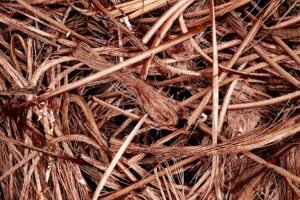
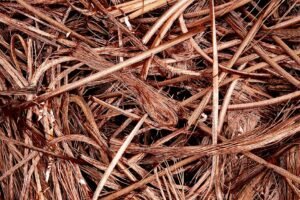
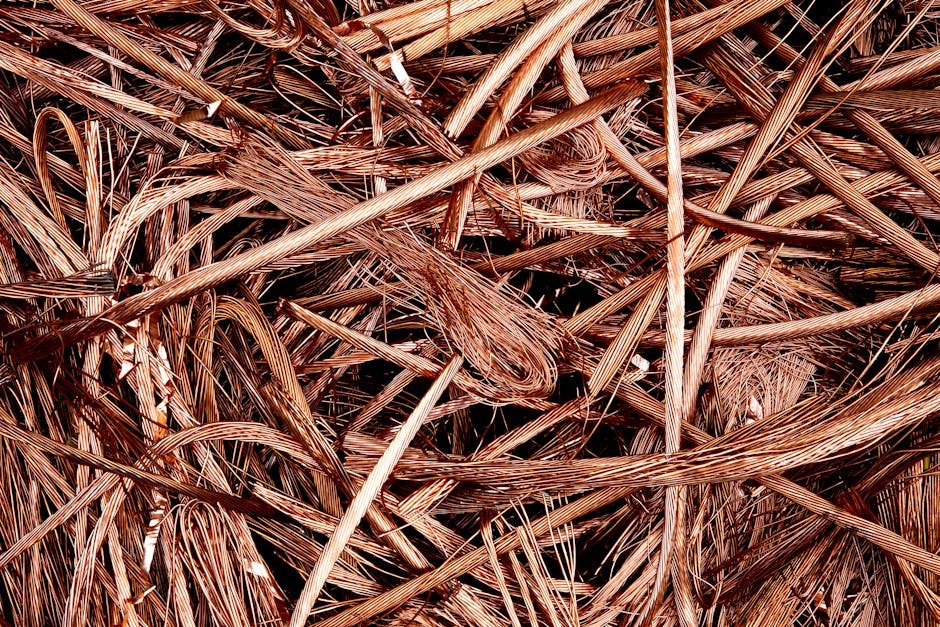
This is the gold standard of the industry. Bare bright copper consists of clean, unalloyed, uncoated, and uninsulated copper wire, typically 16 gauge or thicker. It must be free of any paint, varnish, or oxidation. Because it is essentially pure copper, it commands the highest market price.
Number 1 Copper
Number 1 copper includes clean copper pipe and tubing that is free of solder, paint, or brass fittings. It should be bright and shiny, showing no signs of heavy oxidation or corrosion. While slightly less valuable than bare bright, it remains a high-tier grade that is highly sought after by recyclers.
Number 2 Copper
Number 2 copper is the most common grade found in residential and commercial demolition. It includes copper pipe with solder joints, lightly oxidized copper, or wire that has been stripped but still contains some impurities. It is important to note that if your copper pipe has brass fittings or heavy solder, it will be classified here, which affects the final copper price per kg.
Insulated Copper Wire
This category covers everything from household appliance cords to heavy-duty industrial cables. The value here depends on the “recovery rate,” which is the percentage of actual copper content after the plastic insulation is removed. High-voltage cables often have a higher copper recovery rate than thin computer cords.
The Process of Copper Recycling
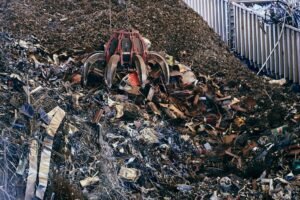
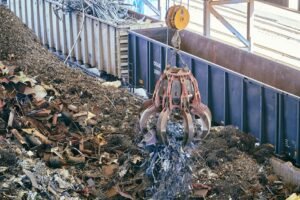
The journey from a job site in Yagoona to a new copper product is a fascinating industrial process. Once your scrap is collected, it is transported to a processing facility. Here is the step-by-step breakdown:
- Collection and Transport: Whether through a scheduled pick-up or a drop-off, the metal is gathered and weighed on certified scales.
- Sorting and Grading: Experts use visual inspection and sometimes X-ray fluorescence (XRF) analyzers to determine the exact purity of the scrap.
- Processing: This involves stripping insulation from wires and cutting larger pieces into manageable sizes.
- Melting and Refining: The copper is melted in large furnaces. During this phase, impurities are removed, and the metal is cast into ingots or rods.
- Manufacturing: The refined copper is sold to manufacturers who turn it back into copper wire, copper pipe, or architectural components.
By engaging with a Scrap Copper expert, you ensure that this cycle remains unbroken. You can learn more about the broader industry standards by visiting our scrap metal trading hub or checking out the latest industry news at our dedicated Australian scrap portal.
Environmental and Economic Benefits
The economic incentive for recycling is clear, but the environmental impact is even more profound. Copper mining is a major source of greenhouse gas emissions and water pollution. By recycling, we reduce the need for open-pit mining, which destroys natural habitats and displaces local biodiversity. Furthermore, the copper recycling industry supports thousands of jobs in Australia, from logistics and transport to specialized engineering and metal processing roles.
When you choose a professional service for your scrap, you are also ensuring that hazardous materials—such as the lead often found in solder or the PVC coatings on old wiring—are disposed of correctly. Improper disposal of these materials can lead to soil and groundwater contamination. Professional recyclers have the infrastructure to manage these byproducts safely, adhering to strict EPA guidelines.
Maximizing Your Returns: Practical Tips
If you want to get the best copper price per kg, preparation is key. Here are some expert tips for preparing your scrap:
- Keep it Clean: Remove as much non-copper material as possible. If you have copper pipe, cut off the brass valves or fittings.
- Sort by Grade: Never mix your bare bright with your number 2 copper. If you have a large volume, keep the grades separate in different bins.
- Strip Wisely: While stripping wire can increase its value, consider the time investment. Sometimes, the labor cost outweighs the price difference between insulated wire and clean copper.
- Avoid Contamination: Do not store your copper in areas where it can become contaminated with oil, grease, or dirt, as this can lead to a lower grade classification at the scale.
The Future of Copper and Sustainable Trade
As the world transitions to renewable energy, the demand for copper is projected to skyrocket. Electric vehicles, wind turbines, and solar arrays all require significantly more copper than traditional fossil-fuel-based technologies. This structural shift in the global economy means that the value of your scrap is likely to remain strong in the long term. By participating in professional recycling schemes, you are not just clearing out clutter; you are actively participating in the supply chain that will power the next generation of green technology.
Logistics and Safety in Scrap Management
Safety is the primary concern when dealing with scrap metal. Copper can be heavy, and sharp edges on pipes and wires pose significant risks. Always wear appropriate personal protective equipment (PPE), including heavy-duty gloves and steel-toed boots, when handling scrap. If you are managing a large-scale demolition, consider using a professional pick-up service that provides the necessary bins and heavy-lifting equipment. This prevents workplace injuries and ensures that the metal is transported in compliance with local road safety regulations.
Conclusion
Whether you are a professional tradesperson or a local resident, managing your scrap copper responsibly is a win-win. It provides a financial return while supporting a sustainable future for Australia. By understanding the grades, preparing your materials correctly, and utilizing professional services, you ensure that you get the best possible value for your copper. Remember to stay informed about market trends, keep your grades separated, and always prioritize safety during the collection process. For all your metal recycling needs, our network is here to help you navigate the complexities of the market and secure the best outcomes for your scrap.
Frequently Asked Questions
What is the difference between number 1 and number 2 copper?
Number 1 copper consists of clean, unalloyed, and uncoated copper, such as shiny pipe or wire. Number 2 copper includes pipe with solder joints, minor oxidation, or wire that has been stripped but still contains some impurities.
How can I get the best price for my scrap copper?
To get the best price, ensure your copper is clean, free of non-metal contaminants like plastic or steel, and sorted by grade. Keeping your bare bright, number 1, and number 2 copper in separate containers will prevent you from being paid at the lowest grade’s rate.
Why is copper recycling so important for the environment?
Copper recycling saves up to 85% of the energy required to mine and refine virgin ore. It reduces the need for destructive mining practices and keeps hazardous materials like plastic insulation out of landfills.
Do I need to strip the insulation off my copper wire?
Stripping wire can increase the price per kilogram, but you should calculate if the labor time is worth the price difference. If you have a high volume of wire, it may be more efficient to sell it as insulated wire unless you have the proper machinery to strip it quickly.