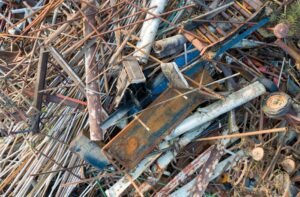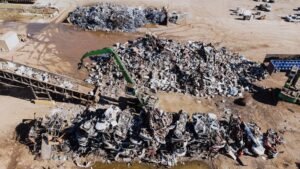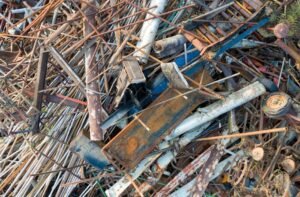

When you are looking for professional scrap copper recycling Lidcombe services, understanding the nuances of the metal market is essential for maximizing your financial returns. Copper is one of the most highly valued industrial metals in the world, and Lidcombe serves as a strategic hub for trade and processing. Whether you are a tradesperson clearing out a job site or a homeowner with old plumbing fixtures, knowing how to categorize your scrap can significantly impact your bottom line.
Understanding Copper Grades: From Bare Bright to Number 2
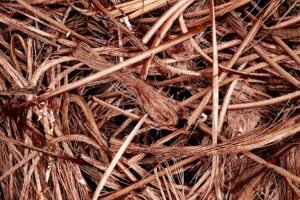
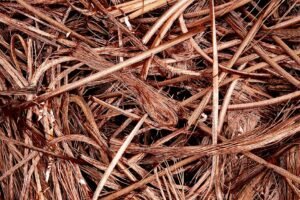
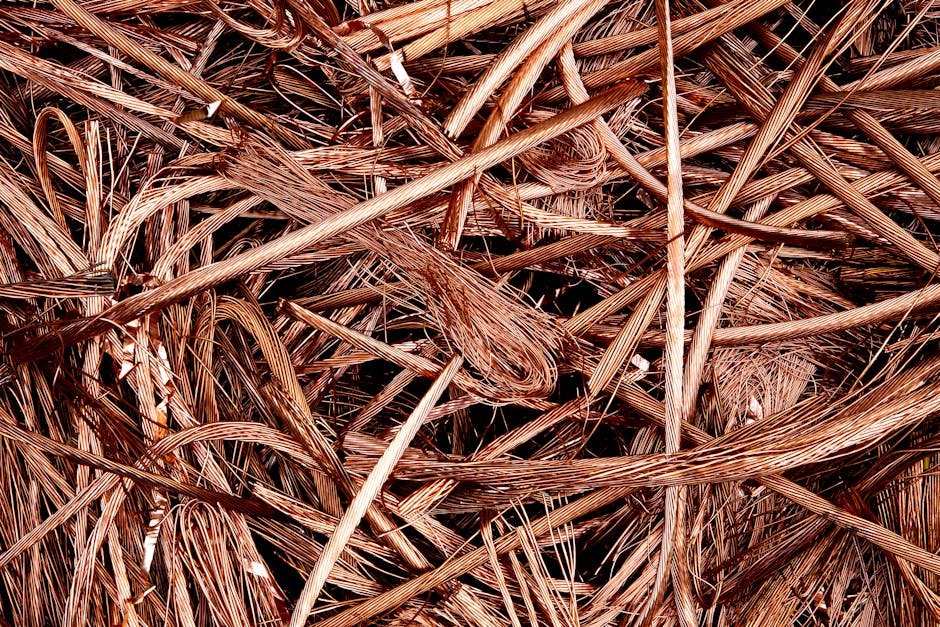
The value of your scrap is determined by its purity and the level of processing required to refine it. In the industry, we categorize copper into specific grades to ensure efficient recycling. The most valuable form is bare bright copper, which consists of clean, unalloyed, uncoated, and uninsulated copper wire, typically 16 gauge or thicker. Because it is free of oxidation and contaminants, it commands the highest copper price per kg.
Next on the list is number 2 copper, which includes copper that has been slightly oxidized, painted, or contains minor impurities like solder or brass fittings. While it requires more processing, it remains a high-demand commodity. Then there is the common copper wire, which often comes with insulation. Stripping this wire can move it from a lower grade to a premium grade, effectively doubling your payout. We often discuss these classifications within our broader Copper Scrap Group to help traders understand the market dynamics.
Finally, we have copper pipe, which is frequently salvaged from demolition sites. Clean pipe without heavy solder or mineral buildup is highly sought after. If you are unsure where your material falls, it is always best to consult with a professional. For those operating in neighboring areas, we also provide resources for scrap copper recycling belmore and scrap copper recycling guildford to ensure consistent service across Western Sydney.
How the Recycling Process Works
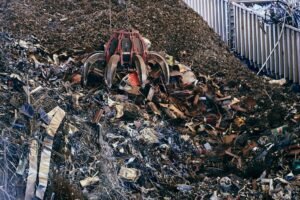
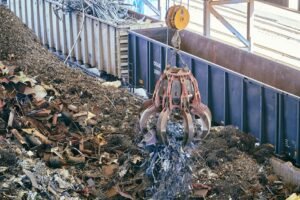
The journey from scrap to raw material is a fascinating industrial process. Once you drop off your materials at a facility for scrap copper recycling Lidcombe, the metal undergoes a rigorous sorting phase. Advanced technology, including X-ray fluorescence (XRF) analyzers, is often used to determine the exact chemical composition of the scrap. This ensures that the copper is not contaminated with other metals like lead or zinc, which could compromise the quality of the final smelted product.
After sorting, the material is shredded into smaller, manageable pieces to facilitate the removal of non-metallic contaminants like plastic insulation or dirt. Magnetic separators are used to pull out any ferrous metals that may have been mixed in by mistake. The cleaned copper is then baled and sent to smelters, where it is melted down, purified, and cast into ingots or billets. This process uses up to 85% less energy than mining and refining virgin copper ore, making it a cornerstone of the circular economy. Understanding these logistics is a key part of the Scrap Trading Vs Recycling Business distinction, as trading focuses on market arbitrage while recycling focuses on material transformation.
Environmental Benefits of Copper Recycling
Copper is unique because it is 100% recyclable without losing any of its physical or chemical properties. This means that a copper pipe recycled today could be part of a new electrical circuit or a renewable energy component tomorrow. By choosing to recycle, you are actively reducing the demand for new mining operations, which are notoriously energy-intensive and destructive to local ecosystems.
Mining for virgin copper involves massive open-pit excavations, significant water usage, and the production of tailings—toxic waste that can leach into groundwater. By participating in scrap copper recycling Lidcombe, you help close the loop. Every tonne of recycled copper saves approximately 3.5 tonnes of CO2 emissions compared to primary production. This is a vital contribution to Australia’s sustainability goals. If you are looking for a reliable partner, you can explore more details on our main portal at Scrap Trade for comprehensive industry insights.
Maximizing Your Returns: Practical Tips
To get the most out of your scrap, preparation is key. First, always sort your metals before arriving at the yard. Mixing copper with aluminum or steel will result in a lower ‘mixed’ grade price. If you have insulated wire, consider investing in a wire stripping machine. The value difference between insulated wire and bare wire is significant enough that the machine often pays for itself within a few months of active trading.
Second, keep an eye on the global market. Copper prices are influenced by construction activity, manufacturing output, and even currency exchange rates. While you cannot control the market, you can choose when to sell. Storing your scrap in a dry, secure location until prices peak can yield better returns. For those who are new to this, we recommend visiting Scrap Trade Australia to track current trends and find local depots. Additionally, if you are searching for other facilities, you can use our directory for Scrap Metal Recycling Near Me to find the closest certified yard.
The Role of Lidcombe in the Scrap Industry
Lidcombe is a vital logistical node in the Sydney metropolitan area. Its proximity to major industrial zones and transport corridors makes it an ideal location for scrap processing. Because of this, the competition among yards is healthy, which generally benefits the consumer. When selecting a yard, look for those that provide transparent weighing processes and digital displays so you can see exactly how much your load weighs.
Transparency is the hallmark of a reputable business. Ensure the facility is licensed and adheres to EPA regulations regarding waste management. A professional yard will provide you with a detailed docket explaining the breakdown of your materials and the rates applied. This level of professionalism is what separates high-quality recyclers from informal traders.
Global Market Trends and Future Outlook
The demand for copper is set to skyrocket over the next decade due to the global transition to renewable energy. Electric vehicles (EVs) require significantly more copper than internal combustion engine vehicles, and wind turbines rely heavily on copper for their generators and cabling. As the world electrifies, the importance of scrap recovery becomes even more pronounced.
Supply chain constraints in major mining countries like Chile and Peru have led to increased price volatility. This makes the secondary market—the scrap market—more important than ever. By recycling, we are essentially ‘urban mining,’ extracting the metal we need from the waste we have already created. This is a more stable, local, and environmentally friendly way to secure the materials necessary for a modern, high-tech society.
Safety and Compliance in Scrap Handling
Handling scrap metal comes with inherent risks. Sharp edges, heavy loads, and potentially hazardous residues on industrial piping require caution. Always wear appropriate personal protective equipment (PPE), including heavy-duty gloves and steel-capped boots. When transporting scrap, ensure it is properly secured to avoid road hazards.
Compliance is also a major factor. Some materials, particularly those that might be contaminated with hazardous substances like oil or chemicals, may not be accepted by standard yards. Always check with your local facility about their specific acceptance policies. By following these safety and legal guidelines, you ensure a smooth transaction and contribute to a safer, more professional industry standard.
Conclusion: Why Local Recycling Matters
Recycling is not just about making money; it is about responsible resource management. By engaging with scrap copper recycling Lidcombe, you are participating in a global effort to preserve natural resources and reduce industrial pollution. Whether you are a small-scale recycler or a large industrial contractor, your contribution matters. Keep your materials clean, stay informed about market rates, and partner with reputable yards to ensure that your scrap is handled with the highest standards of integrity and environmental care.
Frequently Asked Questions
- What is the best way to prepare copper for recycling? The best way is to strip the insulation off copper wires and separate different grades of copper (e.g., pipe vs. wire) into distinct piles to ensure you receive the highest price per kg.
- Does the market price for copper change daily? Yes, the copper price per kg fluctuates based on global market demand, supply chain stability, and currency exchange rates, so it is wise to check current rates before heading to the yard.
- Can I recycle copper that has paint or solder on it? Yes, but it will likely be classified as number 2 copper rather than bare bright, which may result in a slightly lower payout compared to clean, unadulterated copper.
- Why is copper recycling considered better than mining? Recycling copper consumes significantly less energy, produces fewer greenhouse gas emissions, and avoids the environmental destruction associated with large-scale open-pit mining operations.
Frequently Asked Questions
What is the best way to prepare copper for recycling?
The best way is to strip the insulation off copper wires and separate different grades of copper (e.g., pipe vs. wire) into distinct piles to ensure you receive the highest price per kg.
Does the market price for copper change daily?
Yes, the copper price per kg fluctuates based on global market demand, supply chain stability, and currency exchange rates, so it is wise to check current rates before heading to the yard.
Can I recycle copper that has paint or solder on it?
Yes, but it will likely be classified as number 2 copper rather than bare bright, which may result in a slightly lower payout compared to clean, unadulterated copper.
Why is copper recycling considered better than mining?
Recycling copper consumes significantly less energy, produces fewer greenhouse gas emissions, and avoids the environmental destruction associated with large-scale open-pit mining operations.