
When searching for professional scrap metal recycling Moorebank services, it is essential to understand that the industry is a cornerstone of the circular economy in New South Wales. Moorebank, with its strategic industrial position and proximity to major logistics hubs, serves as a critical node for metal recovery. Whether you are an industrial contractor or a local resident, navigating the complexities of metal grades and market pricing is the first step toward efficient waste management.
Understanding Metal Grades: Ferrous vs. Non-Ferrous
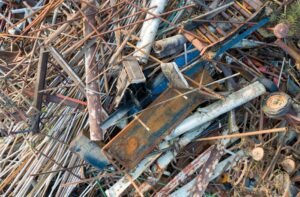
The foundation of the scrap industry lies in the distinction between ferrous and non-ferrous metals. Ferrous metals, such as iron and steel, contain carbon and are magnetic. They are the most recycled materials globally due to their prevalence in construction and automotive industries. In Moorebank, common ferrous scrap includes structural steel, rebar, pipes, and old machinery. Because these metals are abundant, they are typically traded in higher volumes at lower individual price points compared to their non-ferrous counterparts.
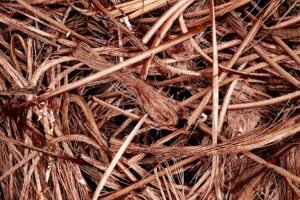
Non-ferrous metals—including copper, aluminium, brass, lead, and stainless steel—do not contain iron and are non-magnetic. These metals are highly prized because they can be recycled infinitely without losing their chemical properties. Copper, for instance, is a high-value commodity often found in electrical wiring, plumbing fixtures, and industrial heat exchangers. Aluminium is equally vital, recovered from window frames, beverage cans, and automotive parts. Understanding these grades is crucial when you look to Sell Scrap Metal Near Me In 2026, as purity levels directly impact your financial return.
For those managing large-scale industrial waste, it is important to distinguish between the operational nuances of the industry. You might find it beneficial to research the differences in Scrap Trading Vs Recycling Business models to understand how your specific waste stream is valued and processed. While trading focuses on the arbitrage of commodity prices, recycling involves the physical transformation of materials into feedstock for manufacturing.
The Process: How Scrap Metal Recycling Works
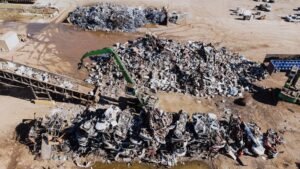
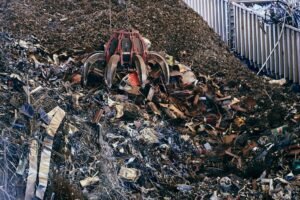
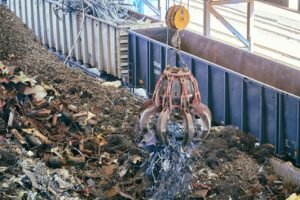
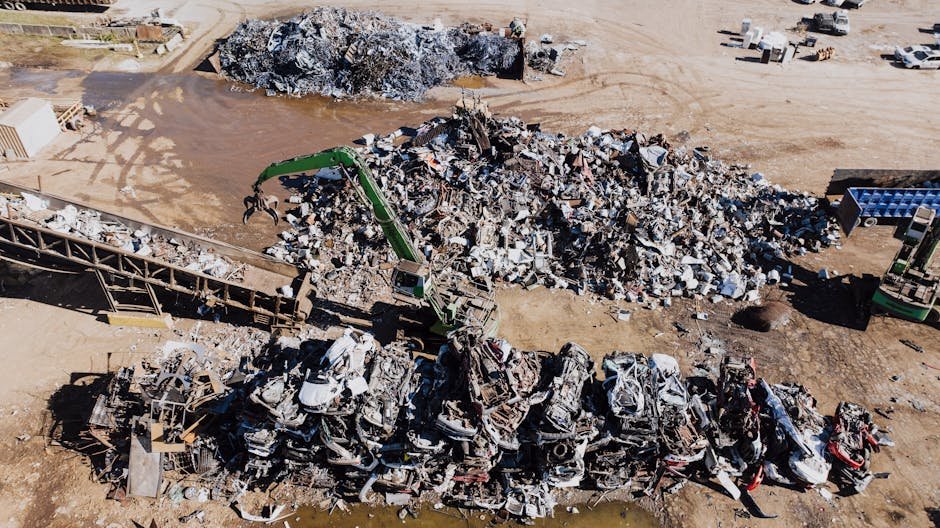
The journey from a discarded piece of metal to a new product is a sophisticated mechanical and chemical process. The first stage is collection and aggregation. Facilities specializing in scrap metal recycling Moorebank utilize advanced logistics to gather scrap from demolition sites, manufacturing facilities, and public drop-off points. Once the material reaches the yard, the sorting process begins.
Advanced sorting technology is the backbone of a modern recycling facility. Magnets are used to pull ferrous metals from the mix, while eddy current separators and X-ray fluorescence (XRF) analyzers are deployed to identify and sort non-ferrous alloys. This level of precision is what separates a professional operation from a basic scrapyard. If you are located in other regions of Sydney, you can also explore scrap metal recycling minto or scrap metal recycling hornsby to see how regional logistics affect the recycling workflow.
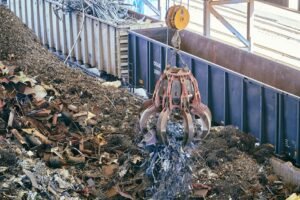
After sorting, the metal is processed through shearing, shredding, or baling. Shredding is particularly effective for turning large, bulky items like vehicles into small, uniform pieces of scrap. This increases the surface area, making it easier to remove contaminants like plastics or rubber. Finally, the processed metal is melted in furnaces. The molten metal is cast into ingots or billets, which are then shipped to manufacturers to be forged into new products, effectively closing the loop on material consumption.
Environmental Benefits and Sustainability
The environmental case for scrap metal recycling Moorebank is undeniable. Mining for virgin ore is an energy-intensive process that results in significant habitat destruction, soil erosion, and water contamination. By recycling metal, we drastically reduce the carbon footprint associated with primary production. For example, recycling aluminium saves approximately 95% of the energy required to produce the same amount of metal from bauxite ore.
Furthermore, recycling reduces the reliance on landfills. Metal waste that is not recovered occupies valuable space and can leach toxic chemicals into the groundwater over time. By diverting this waste into the recycling stream, we conserve natural resources and reduce greenhouse gas emissions. This is a core mission for our platform, Scrap Trade, which aims to connect generators of scrap with the most efficient processing facilities. We encourage all participants in the supply chain to prioritize sustainability by ensuring their scrap is processed by certified, environmentally compliant facilities.
The economic impact is equally significant. A robust local recycling industry supports jobs, drives innovation in material science, and keeps the cost of raw materials stable for Australian manufacturers. When you choose to recycle, you are not just clearing out space; you are participating in a global movement toward a more sustainable and resilient industrial future. For more insights on how the industry is evolving, visit our main Australian industry portal.
Maximizing Your Scrap Value: Practical Tips
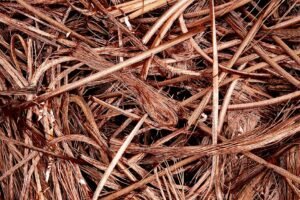
To get the best value from your scrap, preparation is key. Contamination is the primary reason for lower payouts. If you are selling copper wire, stripping the plastic insulation significantly increases the grade and the price per kilogram. Similarly, separating different types of metals—such as keeping brass separate from copper or aluminium—prevents “down-grading,” where a mixed load is priced at the lowest common denominator.
Always keep an eye on market trends. Metal prices fluctuate based on global supply and demand, currency exchange rates, and geopolitical stability. If you are looking for a reliable partner to manage your recycling, start by searching for Scrap Metal Recycling Near Me to identify facilities that offer transparent pricing and reliable weighing scales. Accuracy in weighing is non-negotiable; ensure your chosen recycler uses calibrated, certified scales to guarantee you are paid for every gram of material you deliver.
Safety is another critical aspect. Metal can be sharp, heavy, and potentially hazardous if it contains residues of oil, chemicals, or pressurized gases. Always wear appropriate personal protective equipment (PPE), including gloves, steel-toed boots, and eye protection. If you are dealing with large industrial quantities, consider renting a skip bin specifically for scrap metal to keep your site clean and organized, which in turn makes the eventual collection and sorting process much faster and more cost-effective.
Industrial Scrap Management Strategies
For businesses in the Moorebank industrial precinct, managing scrap is not just about disposal; it is about operational efficiency. Implementing a dedicated scrap management plan can turn a waste cost into a revenue stream. Start by conducting a waste audit to identify the volume and type of metal generated by your processes. Are you producing large quantities of offcuts? Is there a regular stream of obsolete machinery or maintenance components?
Once you have identified your waste profile, set up designated collection points. Using color-coded bins for different metal grades prevents cross-contamination and simplifies the sorting process for your staff. Training your team on the importance of segregation ensures that high-value materials don’t end up in general waste skips. A well-managed site is also a safer site, reducing the risk of workplace accidents and improving overall productivity.
Partnering with a professional recycler who understands your specific industry—whether it is construction, automotive, or electrical manufacturing—can provide you with tailored solutions. This might include scheduled pickups, specialized container services, or even long-term contracts that provide price stability. By treating your scrap as a valuable raw material rather than trash, you align your business with the principles of the circular economy, which is increasingly important for ESG (Environmental, Social, and Governance) reporting and corporate social responsibility.
The Future of Metal Recycling in Australia
The Australian scrap metal industry is undergoing a significant transformation driven by technology and policy. Automation, AI-driven sorting, and blockchain for supply chain transparency are becoming the new standard. As we look toward 2026 and beyond, the ability to track the provenance of recycled materials will become a competitive advantage. Manufacturers are increasingly demanding “green steel” and recycled aluminium to meet their own sustainability targets, creating a pull-effect that drives up the value of high-quality scrap.
Furthermore, government regulations regarding waste export and local processing are encouraging more domestic recycling capacity. This shift is beneficial for local hubs like Moorebank, as it ensures that the economic and environmental value of our metal waste is captured within the country. As a participant in this ecosystem, your contribution—whether it is a small bin of copper or a fleet of end-of-life vehicles—is a vital part of this national effort. Stay informed, stay organized, and continue to prioritize responsible recycling practices to ensure a cleaner, more prosperous future for all.
Finally, remember that the industry thrives on transparency and trust. By choosing to work with reputable, licensed recyclers, you ensure that your materials are handled according to the highest environmental and ethical standards. Whether you are a business owner or a private individual, your choices matter. Keep learning, keep recycling, and let’s work together to make the Australian scrap metal industry the most efficient and sustainable in the world.
Frequently Asked Questions
What is the difference between ferrous and non-ferrous scrap?
Ferrous metals contain iron and are magnetic, such as steel and iron, while non-ferrous metals like copper, aluminium, and brass do not contain iron and are non-magnetic. Non-ferrous metals are generally more valuable and can be recycled indefinitely without losing their properties.
How can I get the best price for my scrap metal?
To maximize your return, ensure your scrap is clean and sorted by metal type. Removing insulation from copper wire and separating different grades of aluminium or steel prevents your load from being downgraded to a lower price tier.
Why is scrap metal recycling important for the environment?
Recycling metal reduces the need for energy-intensive mining and processing of virgin ore, which significantly lowers greenhouse gas emissions. It also conserves natural resources and prevents metal waste from occupying space in landfills.
Is it safe to handle scrap metal for recycling?
Handling scrap metal can be dangerous due to sharp edges, heavy weight, and potential chemical residues. Always wear appropriate PPE, including heavy-duty gloves and steel-toed boots, and ensure you handle materials with caution to avoid injury.