
Understanding the operational workflow of ferris metal recyclers is essential for both commercial entities and individual households looking to manage their waste responsibly. When you engage with a professional recycling centre, you are not just clearing out clutter; you are participating in a sophisticated global supply chain that transforms discarded steel, iron, and other alloys into the building blocks of tomorrow’s infrastructure. Whether you are searching for Sell Scrap Metal Near Me In 2026, it is critical to understand the specific processes involved in handling ferrous materials compared to non-ferrous counterparts.
The Science Behind the Recycling Process
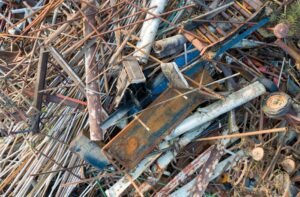
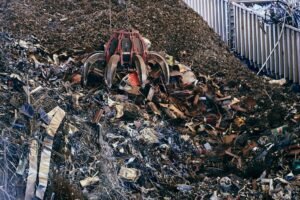
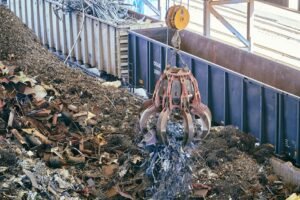
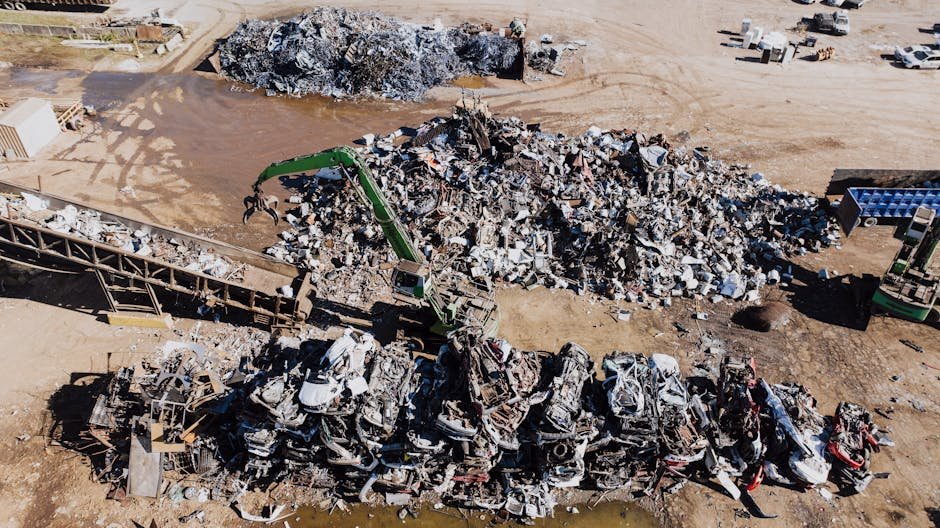
The journey of ferrous metal—which includes steel, cast iron, and wrought iron—begins long before it reaches the furnace. At high-efficiency facilities, the process is highly systematic. Upon arrival, materials are weighed and inspected for contaminants like plastic, rubber, or hazardous fluids. This initial quality control is vital because impurities can compromise the structural integrity of the resulting metal.
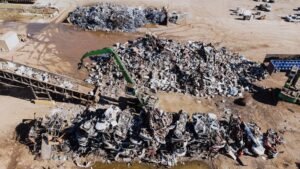
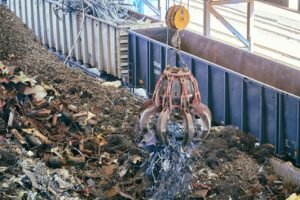
Once sorted, the metal undergoes a shredding process. Large industrial shredders break the scrap into smaller, uniform pieces, which increases the surface area for efficient melting. Following this, advanced magnetic separators are employed to isolate ferrous metals from any residual non-ferrous materials. This precision ensures that the final product meets strict industry specifications. The shredded metal is then melted in electric arc furnaces, where it is refined and cast into new ingots, billets, or slabs. This circular economy model is the primary reason why professional scrap metal recyclers near me are so vital to Australia’s industrial sustainability.
Drop-off vs. Pickup: Choosing the Right Service
For many, the logistical hurdle of transporting heavy scrap is the biggest deterrent to recycling. Professional operators offer two distinct service models: the drop-off and the metal recyclers pick up service. A drop-off is often the most cost-effective solution for smaller quantities. By bringing your materials directly to a local recycling centre, you avoid scheduling delays and can often receive immediate payment based on current Scrap Metal Prices.
Conversely, for construction sites, demolition projects, or industrial manufacturing facilities, a dedicated pickup service is indispensable. These services often involve the placement of industrial-grade bins on-site. Once the bins are filled, the recycler dispatches a truck to haul the material away. This not only streamlines your site management but also ensures that heavy metals are handled safely by professionals who understand the weight limits and hazardous material protocols. When evaluating your options, always consider the volume of your scrap. If you have a large-scale project, contacting a provider for a scheduled pickup is significantly more efficient than multiple trips to a facility.
Environmental Impact and Carbon Footprint Reduction
The environmental benefit of recycling ferrous metals cannot be overstated. Mining virgin ore is an energy-intensive process that involves massive land disruption, water usage, and carbon emissions. By utilizing recycled steel, manufacturers can reduce the energy required for production by up to 75% compared to producing steel from virgin iron ore. This direct reduction in energy consumption is a major contributor to lowering the overall carbon footprint of the Australian manufacturing sector.
Furthermore, recycling prevents tons of metal from ending up in landfills, where they can leach chemicals into the soil and groundwater. As we move toward a more circular economy, the role of ferris metal recyclers becomes even more prominent. By keeping these materials in the supply chain, we reduce the demand for destructive mining practices and preserve natural resources for future generations. For those interested in how these practices impact the broader market, visiting Scrap Trade provides deeper insights into the economic and environmental intersection of the industry. Additionally, you can find more resources on sustainable waste management at Scrap Trade Australia.
Maximizing Your Returns: A Guide to Sorting
If you want to get the best value when you search for Scrap Metal Recycling Near Me, preparation is key. Most recycling centres pay based on the purity and type of the metal. If you mix your high-grade steel with dirty, rusted, or contaminated items, the entire load may be downgraded to a lower price bracket. To maximize your returns:
- Separate your metals: Keep ferrous metals (which are magnetic) separate from non-ferrous metals like copper, aluminium, and brass.
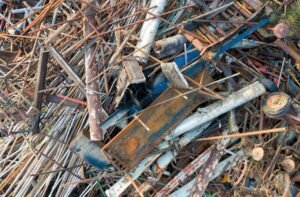
- Clean your scrap: Remove non-metallic attachments such as plastic handles, wooden frames, or rubber seals.
- Sort by grade: High-quality, clean steel will always command a higher price than mixed, light-gauge scrap.
- Check the market: Prices fluctuate daily based on global demand. Stay informed by checking current price lists provided by your local recycler.
By taking the time to sort your materials before you arrive at the facility, you not only speed up the weighing process but also ensure that you are paid fairly for the quality of the material provided. This level of professionalism is what distinguishes top-tier ferris metal recyclers from general waste collectors.
The Future of Metal Recycling in Australia
The Australian scrap metal industry is currently undergoing a digital transformation. With the advent of advanced tracking technologies and more transparent pricing models, the industry is becoming more accessible than ever. We are seeing a shift toward automated sorting facilities that use artificial intelligence and X-ray fluorescence (XRF) technology to identify metal alloys with near-perfect accuracy. This technological leap means that even complex scrap materials, which were previously considered ‘unrecyclable,’ can now be processed and returned to the manufacturing cycle.
As urban development continues to expand, the demand for recycled materials in construction will only increase. Steel is infinitely recyclable, meaning it can be melted down and reformed without losing its physical properties. This makes it a cornerstone of sustainable architecture. By supporting local recycling infrastructure, we are investing in a future where ‘waste’ is simply a resource that has not yet been utilized. The ongoing commitment of industry leaders to improve safety standards and environmental reporting ensures that the recycling sector remains a pillar of the Australian economy.
Practical Safety Tips for Scrap Handling
Handling scrap metal involves inherent risks, including sharp edges, heavy loads, and potential exposure to hazardous substances. Safety should always be your top priority. When gathering your scrap, wear heavy-duty gloves, steel-capped boots, and long-sleeved clothing to protect against lacerations. If you are dismantling equipment, ensure that all power sources are disconnected and that any fluids—such as hydraulic oils or coolants—are drained and disposed of according to local environmental regulations.
Never attempt to move heavy scrap without proper equipment. Use dollies, pallet jacks, or forklifts if available. If you are unsure about the weight of a load, it is always safer to request a pickup service. Professional recyclers are equipped with the appropriate lifting gear and safety training to handle large or awkward loads, minimizing the risk of injury to yourself and damage to your property. Remember, a professional recycler will always prioritize safety protocols, making them your best partner in responsible metal disposal.
Conclusion: Why Choose Professional Recyclers?
Choosing the right partner for your scrap metal needs is about more than just finding the highest price; it is about ensuring that your waste is handled ethically and efficiently. Professional recycling facilities provide the expertise, equipment, and environmental compliance necessary to make a real difference. From the initial sorting of materials to the final melting process, every step taken by these facilities is designed to maximize resource recovery and minimize environmental harm. Whether you are a homeowner clearing a garage or a contractor managing a major demolition, engaging with established experts ensures that you are contributing to a sustainable future for Australia.
As you continue your journey in the scrap industry, remember that knowledge is your most valuable tool. By understanding the nuances of the recycling process, the importance of proper sorting, and the benefits of professional services, you are empowered to make informed decisions that benefit both your wallet and the planet. Keep these guidelines in mind, stay updated on market trends, and always choose certified recyclers to ensure your scrap metal is handled with the care and precision it deserves.
Frequently Asked Questions
What is the difference between ferrous and non-ferrous metal?
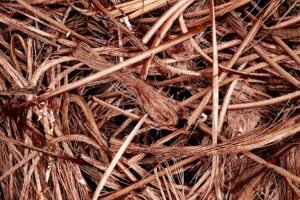
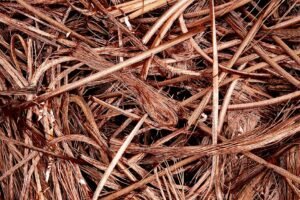
Ferrous metals, such as steel and iron, contain iron and are magnetic. Non-ferrous metals, like copper, aluminium, and brass, do not contain iron and are generally more valuable due to their resistance to corrosion.
How can I get the best price for my scrap metal?
To get the best price, ensure your metal is clean, free of non-metallic contaminants, and sorted by type. Calling your local recycler ahead of time to check current market rates can also help you time your sale for maximum return.
Is it better to drop off or use a pickup service?
Drop-off is usually better for smaller quantities, as it allows for immediate processing and payment. A pickup service is ideal for large-scale projects or heavy, bulky materials that require industrial equipment for transport.
Why is recycling metal better than mining new ore?
Recycling metal consumes significantly less energy than mining, refining, and processing virgin ore. It also preserves natural landscapes, reduces water usage, and lowers greenhouse gas emissions, directly contributing to a lower carbon footprint.