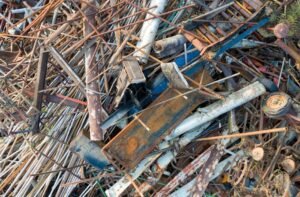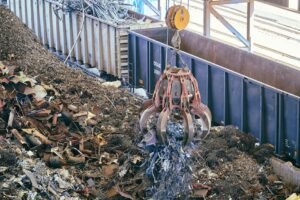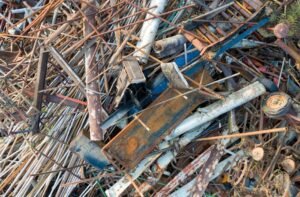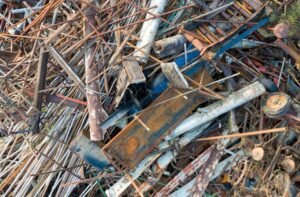

The ferrous scrap recycling market in Australia is a critical component of the global circular economy, transforming discarded iron and steel into reusable resources. Ferrous scrap—metal containing iron, such as steel and cast iron—comprises a significant portion of the nation’s recycling efforts, with over 10 million tonnes processed annually. This market not only drives economic activity but also supports environmental sustainability by minimizing landfill use and reducing the need for raw ore extraction. Understanding the grades of ferrous scrap, the recycling process, and the environmental benefits is essential for businesses and individuals involved in the ferrous scrap recycling market.
Grades of Ferrous Scrap and Their Applications
Ferrous scrap is categorized into grades based on size, purity, and composition. Common grades in the ferrous scrap recycling market include:
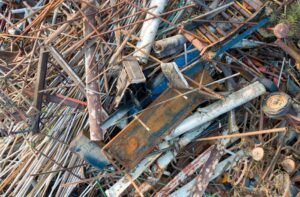
- Heavy Melt Scrap: Large industrial materials like machinery parts, structural steel, and railroads. Ideal for electric arc furnaces (EAFs) in steel production.
- Structural Scrap: Includes beams, girders, and reinforcing bars. Often sourced from construction demolition sites.
- Sheet and Light Scrap: Smaller items such as car bodies, appliances, and tin cans. Requires more processing to remove non-ferrous contaminants.
- Stainless Steel Scrap: A specialized grade with high chromium and nickel content, used in chemical and food industries.
Proper grading ensures efficient recycling and maximizes the value of materials. For example, heavy melt scrap fetches higher prices than light scrap due to its purity and usability in large-scale production.
How Ferrous Scrap Recycling Works
The ferrous scrap recycling market operates through a multi-step process:
- Collection: Scrap is gathered from industrial, commercial, and residential sources. Scrap metal recycling near me services streamline this process.
- Sorting and Grading: Advanced technologies like magnets and X-ray fluorescence (XRF) separate ferrous from non-ferrous metals and remove contaminants.
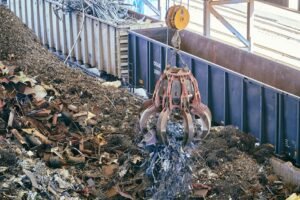
- Shredding and Processing: Large items are shredded into smaller pieces to increase surface area for melting. This step also removes non-metallic components.
- Melting and Casting: Scrap is melted in blast furnaces or EAFs to produce molten iron, which is then cast into pig iron or direct-reduced iron (DRI).
- Reprocessing: The refined metal is rolled into new products, from construction steel to automotive parts.
Efficiency in this process directly impacts profitability. Businesses can time the scrap market to optimize sales when demand for recycled ferrous materials peaks.
Environmental Benefits of Ferrous Scrap Recycling
Recycling ferrous scrap reduces environmental degradation in several ways:
- Energy Savings: Recycling steel requires 60% less energy than producing it from iron ore, significantly lowering carbon emissions.
- Landfill Reduction: Ferrous scrap accounts for 40% of global landfill waste. Recycling diverts these materials, preserving land for other uses.
- Resource Conservation: Every ton of recycled steel saves 2,500 pounds of iron ore and 1,400 pounds of coal, reducing mining-related habitat destruction.
In Australia, the ferrous scrap recycling market contributes to national sustainability targets. For instance, the Australia ferrous scrap recycling market has reduced CO2 emissions by 15% since 2015 through increased recycling rates.
Economic Impact of the Ferrous Scrap Recycling Market
The ferrous scrap recycling market is a major economic driver, generating billions annually in Australia. Key economic benefits include:
- Job Creation: The industry employs over 10,000 people in collection, processing, and manufacturing sectors.
- Export Opportunities: Australia exports high-grade ferrous scrap to countries like China and India, where steel demand remains high.
- Cost Savings: Recycled ferrous materials cost 30–50% less than virgin steel, reducing production costs for manufacturers.
However, market volatility—such as fluctuations in global steel prices—can impact profitability. Businesses should compare scrap trading vs. recycling business models to determine the most stable revenue stream.
Challenges in the Ferrous Scrap Recycling Market
Despite its benefits, the ferrous scrap recycling market faces challenges:
- Contamination: Non-ferrous metals and organic materials in scrap batches reduce their value and complicate processing.
- Regulatory Hurdles: Compliance with environmental and safety regulations increases operational costs.
- Market Competition: Intense competition from international scrap suppliers drives down prices.
Technological advancements, such as AI-powered sorting systems and blockchain for traceability, are helping businesses overcome these challenges while maintaining quality standards.
Practical Tips for Engaging in the Ferrous Scrap Recycling Market
Whether you’re a trader, recycler, or consumer, here are actionable steps to maximize your involvement in the ferrous scrap recycling market:
- Partner with Certified Recyclers: Choose local recycling services accredited by organizations like the Australian Recycling Label (ARL) to ensure ethical practices.
- Track Market Trends: Use platforms like Scrap Trade to analyze price fluctuations and time your sales strategically.
- Invest in Sorting Technology: Upgrading to optical sorters or magnetic separators improves grading efficiency and profitability.
- Collaborate with Industry Associations: The Australian Metal Recycling Association provides resources and networking opportunities for market growth.
These strategies enable businesses to stay competitive while contributing to Australia’s sustainable development goals.
Future Outlook for the Ferrous Scrap Recycling Market
The ferrous scrap recycling market is poised for growth as global demand for green steel increases. Innovations like hydrogen-based steelmaking and circular economy policies will further boost recycling rates. By 2030, Australia aims to recycle 80% of its ferrous waste, aligning with international climate commitments. To stay ahead, businesses must adopt digital tools, prioritize sustainability, and leverage the Australia metal recycling market’s expanding infrastructure.
Frequently Asked Questions
What are the main grades of ferrous scrap in Australia?
The primary grades include heavy melt scrap (industrial materials), structural scrap (construction debris), sheet and light scrap (household items), and stainless steel scrap. Each grade has specific applications in steel production.
How does recycling ferrous scrap benefit the environment?
Recycling ferrous scrap reduces energy consumption by 60%, minimizes landfill use, and conserves natural resources like iron ore. It also lowers CO2 emissions by 1.5 tons per ton of recycled steel.
What factors influence the ferrous scrap market price?
Prices are driven by global steel demand, iron ore costs, exchange rates, and supply chain disruptions. Local factors like recycling rates and government policies also play a role.
How can businesses optimize profits in the ferrous scrap market?
Businesses should invest in advanced sorting technology, monitor market trends via platforms like Scrap Trade, and focus on high-value grades like heavy melt scrap to maximize returns.