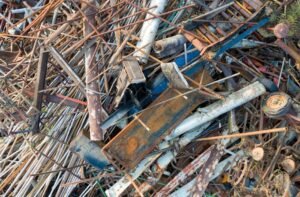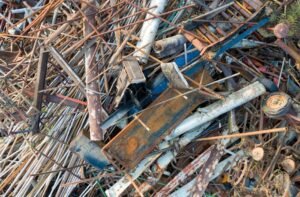

scrap metal buyers near me in Sydney include the Sydney Steel Yard on Parramatta Road, the Eastern Suburbs Recycler and the West Harbour Metal Centre, each operating under NSW environmental regulations.
How to Locate Trusted Scrap Buyers in Your Area
Finding a reputable scrap buyer starts with checking for a licence issued by the NSW Environment Protection Authority. Licensed yards must keep records of every load and submit annual waste reports, which protects both you and the environment. The quickest way to identify the closest dealer is to search online for “scrap metal buyers near me” combined with your suburb, then verify the licence number on the EPA website.
Many local scrap yards also list their services on industry directories. For a curated list of vetted partners, visit Scrap Trade’s national directory. Their page on scrap metal buyers highlights yards that accept household, commercial and construction scrap, and it flags any recent compliance issues.
When you call a yard, ask about their payment methods. Trusted dealers usually offer cash, bank transfer or instant EFT, and they will provide a written quote before you load the material. This transparency reduces the risk of surprise deductions for sorting or contamination.
Understanding Local Pricing and Grade Classifications
Scrap metal prices in Sydney fluctuate weekly based on global commodity markets and local demand. The most reliable source for up‑to‑date rates is the Scrap Metal Prices page, which publishes the average per‑tonne price for each grade.
- Ferrous scrap (steel, iron): 2026 average $220–$260 per tonne for clean, uncoated steel.
- Stainless steel: $1,200–$1,350 per tonne, depending on alloy grade.
- Copper: $9,000–$9,800 per tonne for clean #1 copper wire.
- Aluminium: $1,800–$2,100 per tonne for clean sheet and extrusions.
Yards calculate your payout by weighing the load on a calibrated truck scale, then applying the current rate for the identified grade. If you have mixed material, the yard will separate it on‑site and pay each portion at its respective price. To maximise earnings, remove non‑metal contaminants such as plastic, wood or insulation before delivery.
For a forward‑looking view, the article Sell Scrap Metal Near Me In 2026 outlines market trends, including the impact of Chinese import policies and local infrastructure projects on price spikes.
Drop‑Off Options, What to Expect at the Yard
Most Sydney yards operate 7 days a week, with extended hours for commercial accounts. When you arrive, a yard manager will ask for identification and a brief description of the load. They will then:
- Weigh the truck on a certified scale.
- Inspect the material for prohibited items (e.g., asbestos, hazardous chemicals).
- Assign each batch to a grade based on colour, coating and alloy.
- Provide a written receipt that includes weight, grade, rate and total payout.
Payment is usually issued on the spot, either in cash or via EFT to your nominated bank account. If you have a large volume (over 10 tonnes), some yards will arrange a free pick‑up service, but you must schedule it at least 24 hours in advance.
For residents of the Inner West, the West Harbour Metal Centre offers a convenient drop‑off lane that accepts up to 3 tonnes without prior appointment. Their website also features a live pricing widget, so you can confirm the rate before you load the truck.
Remember to bring a valid driver’s licence and, if you are transporting a trailer, a vehicle registration document. These items satisfy the yard’s compliance checklist and speed up the transaction.
Environmental Benefits and the Recycling Process
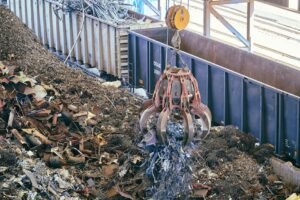
Recycling metal saves up to 95 % of the energy required to produce virgin material. When you sell to a licensed nearby recycler, the metal is shredded, sorted by magnetic and eddy‑current separators, and then melted in a furnace that recovers up to 99 % of the original mass.
In New South Wales, the Waste Avoidance and Resource Recovery (WARR) Act mandates that all commercial scrap generators keep a record of where their material is sent. By using a certified yard, you contribute to the state’s goal of diverting 70 % of waste from landfill by 2030.
Additionally, recycled steel reduces CO₂ emissions by 1.8 tonnes per tonne compared with primary production. This translates into measurable climate benefits for businesses that can claim recycled content in their sustainability reports.
For a deeper dive into how local facilities process different grades, explore Scrap Metal Recycling Near Me. The page explains the journey from your driveway to the furnace, and it highlights the certifications held by top Sydney recyclers.
Choosing a trusted yard also protects you from illegal dumping. Unlicensed operators may burn or landfill scrap, releasing toxic fumes and attracting fines. By confirming the yard’s licence and reviewing its environmental policy—often posted on the site—you ensure compliance and community safety.
To learn more about the broader network of Australian recyclers, visit Australian Scrap Trade, which provides state‑by‑state guides and contact directories.
Quick Tips for Maximising Your Return
- Separate ferrous from non‑ferrous before arrival; mixed loads incur lower rates.
- Remove bolts, nuts and fittings that are not part of the main grade.
- Check the latest rates on the Scrap Metal Prices page before you load.
- Schedule a free pick‑up if you exceed the yard’s drop‑off limit.
- Ask the yard for a copy of their licence; reputable dealers display it prominently.
By following these steps, you turn household junk into cash while supporting a circular economy that benefits Sydney’s environment and jobs.
Related: scrap metal recycling near me
Frequently Asked Questions
How do I verify that a scrap metal buyer is licensed in NSW?
Visit the NSW EPA website and search the licence number provided by the yard; a valid licence confirms compliance with waste‑tracking and environmental standards.
What are the most profitable metals to sell in Sydney right now?
Copper and stainless steel command the highest rates, often exceeding $9,000 and $1,200 per tonne respectively, while clean aluminium also yields strong returns.
Can I get paid instantly for my scrap load?
Most reputable yards offer on‑spot cash or instant EFT after weighing and grading the material, provided you present identification and a receipt.
Are there any items that scrap yards will not accept?
Yards refuse hazardous materials such as asbestos, lead‑painted items, and electronic waste that contains batteries or mercury; these require specialised disposal.