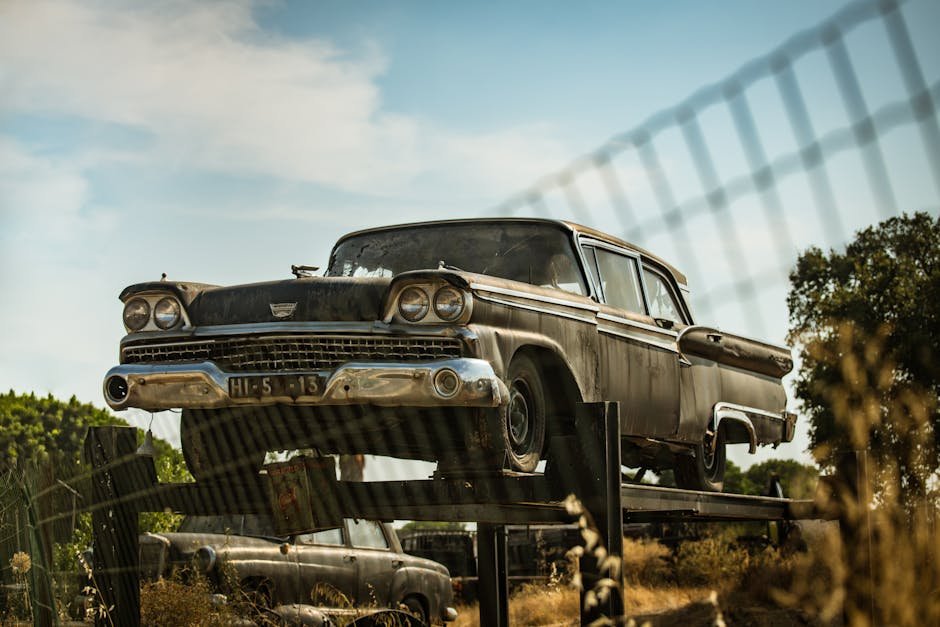

When searching for a reliable ford scrap yard liverpool, it is vital to understand the complexities of the modern metal recycling industry. Whether you are a trade professional or a private individual looking to dispose of automotive components, choosing the right facility ensures you receive fair market value and contribute to environmental sustainability. Navigating the landscape of metal recycling in Western Sydney requires knowledge of material grading, sorting protocols, and the logistical advantages of professional facilities.
Understanding Metal Grades and Categorization
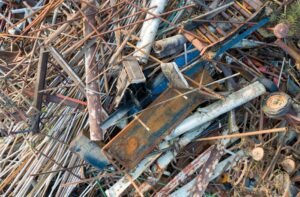
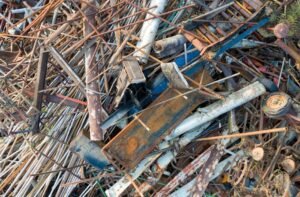
The foundation of any successful recycling transaction lies in the precise identification of metal grades. At a professional ford scrap yard liverpool, metals are broadly categorized into ferrous and non-ferrous groups. Ferrous metals, which contain iron, include steel and cast iron, often found in automotive frames and heavy machinery. Non-ferrous metals, such as aluminium, copper, brass, and stainless steel, are significantly more valuable due to their infinite recyclability without loss of quality.
For those managing large-scale projects, identifying the difference between clean scrap and dirty scrap is essential. Clean scrap refers to metal that is free from contaminants like plastic, rubber, or excessive rust. In the context of automotive recycling, this means stripping wiring harnesses or removing non-metallic trim before transport. By bringing high-quality, sorted materials to a reputable metal recycling platform, you maximize your returns and streamline the processing time at the facility.
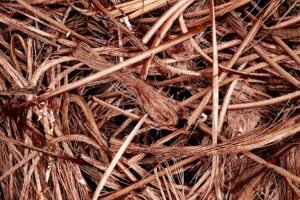
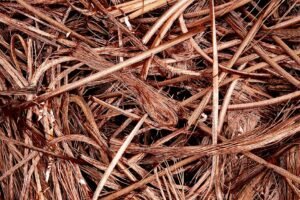
Copper, for instance, is graded based on its purity. ‘Bright and shiny’ copper wire commands the highest price, while copper contaminated with solder or insulation falls into lower-value categories. Understanding these nuances allows you to optimize your scrap collection strategy. If you are unsure about the classification of your items, visiting a Metal Scrap Yard Near Me can provide you with the professional assessment needed to categorize your haul accurately.
How the Metal Recycling Process Works
The journey from a scrap component to a raw material is a sophisticated industrial process. When you arrive at a ford scrap yard liverpool, the process begins with weighing your load on certified weighbridges. Transparency in weighing is the hallmark of a trusted operator. Once weighed, the material is inspected to ensure it meets safety and environmental standards.
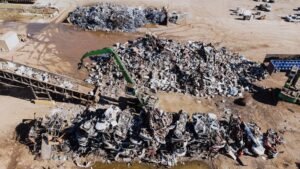
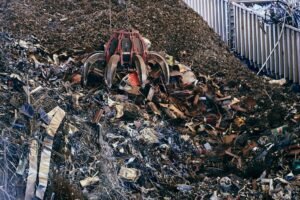
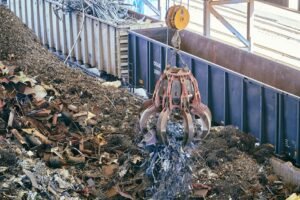
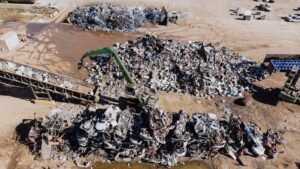
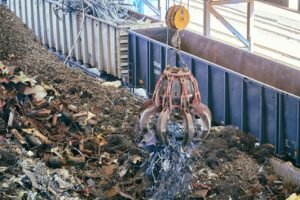
After the initial intake, the metal undergoes a sorting phase. Large-scale facilities utilize advanced technology, including magnetic separators for ferrous metals and eddy current separators for non-ferrous materials. This ensures that even small fragments of valuable metal are recovered. The sorted materials are then processed through heavy-duty shears or shredders, which reduce the volume of the scrap for efficient transport to smelters. This systematic approach is standard practice at a high-volume industrial scrap yard, where efficiency is paramount to maintaining competitive pricing.
It is worth noting that for those in the surrounding areas, regional hubs like the scrap yard minto offer similar professional processing capabilities. The goal of these facilities is to transform discarded items back into the global supply chain, reducing the need for virgin mining and energy-intensive extraction processes. By participating in this loop, you are directly supporting the Australian circular economy.
Environmental Benefits of Professional Recycling
Recycling metal is one of the most effective ways to reduce your carbon footprint. When we recycle aluminium, for example, we save approximately 95% of the energy required to produce it from raw bauxite ore. This massive energy saving translates to lower greenhouse gas emissions and a significant reduction in the environmental degradation associated with mining.
Furthermore, a professional recycling depot ensures that hazardous materials found in automotive scrap—such as lead-acid batteries, catalytic converters, and residual fluids—are handled according to strict environmental regulations. Improper disposal of these items can lead to soil and water contamination, posing a risk to the local Liverpool ecosystem. By choosing a facility that prioritizes environmental compliance, you ensure that your waste is managed responsibly, preventing toxic substances from entering landfills.
The cumulative impact of individual recycling efforts is substantial. When thousands of tonnes of metal are diverted from landfills annually, the pressure on natural resources is alleviated. This is why it is critical to partner with facilities that operate with transparency and adhere to the highest industry standards, such as those found at the Crg Scrap Yard.
The Importance of Walk-in Services and Logistics
Accessibility is a key factor when selecting a scrap yard. Whether you are a contractor with a ute full of copper piping or a DIY enthusiast clearing out a garage, the ability to utilize a walk-in service is invaluable. A facility that welcomes walk-in customers provides a streamlined experience, often featuring dedicated unloading zones and fast payment processing.
For larger commercial clients, logistics support becomes the priority. This includes the provision of skip bins, pick-up services, and specialized equipment for heavy lifting. When you work with a partner who understands the logistical challenges of the Liverpool area, you can schedule regular collections that prevent your site from becoming cluttered with scrap. This proactive management is a hallmark of the service provided by teams like Zores Scrap Yard Your Trusted Destination For Scrap Metal.
Effective logistics also involve safety. A professional yard will have strict traffic management plans, clear signage, and trained staff to guide you through the process. This ensures that your visit is not only profitable but also safe, minimizing the risk of accidents during the unloading phase.
Maximizing Your Returns: Practical Tips
To get the most out of your scrap metal, preparation is everything. First, keep your metals separated by type. Mixing copper with steel or aluminium with brass drastically lowers the value of the entire load because it requires more effort to sort. If you have a large quantity of mixed scrap, it is worth the time to segregate it into clearly labelled bins before heading to the yard.
Second, stay informed about market fluctuations. Metal prices, particularly for non-ferrous materials like copper and nickel, fluctuate daily based on global commodity markets. While you cannot control the market, you can choose to sell during periods of high demand. Establishing a relationship with your local yard allows you to stay updated on current price trends.
Third, ensure your scrap is stripped of non-metallic attachments. A copper pipe with plastic fittings is worth less than a clean pipe. By spending a few extra minutes removing insulation, screws, and plastic, you can significantly increase the grade and, consequently, the price per kilogram. This level of diligence is appreciated by yard operators and often leads to better long-term relationships.
The Future of Metal Recycling in Australia
The metal recycling industry in Australia is undergoing a digital transformation. From automated weighing systems to real-time inventory tracking, the modern yard is becoming a high-tech hub. This evolution is driven by the need for greater transparency and efficiency in the supply chain. As we move toward a more sustainable future, the role of local scrap yards will only grow in importance.
Government initiatives aimed at reducing waste and increasing recycling rates are placing more emphasis on the circular economy. This means that facilities which invest in advanced sorting technology and environmental compliance will be the ones to lead the market. For the consumer, this means better service, more competitive pricing, and the peace of mind that their waste is being handled with the highest level of care.
By choosing to engage with professional recyclers, you are supporting a local industry that provides jobs, reduces waste, and helps Australia meet its international environmental commitments. Whether you are a small-scale recycler or a large industrial partner, your contribution is a necessary part of the global effort to preserve our planet’s resources.
Safety and Compliance Standards
Safety is the cornerstone of any reputable scrap yard. Handling heavy metals, operating machinery, and managing hazardous waste requires strict adherence to Work Health and Safety (WHS) regulations. When visiting a yard, always follow the site rules, wear appropriate personal protective equipment (PPE) such as steel-capped boots and high-visibility vests, and listen to the instructions of the yard staff.
Compliance also extends to the documentation of scrap. Under Australian law, scrap metal dealers are required to record transactions to prevent the trade of stolen goods. This involves providing valid identification and, in some cases, proof of ownership for large loads. While these requirements might seem like an extra step, they are essential for maintaining the integrity of the industry and ensuring that all transactions are legitimate and transparent.
If you encounter a facility that does not ask for identification or fails to provide a receipt, it is a red flag. Always prioritize working with licensed, compliant businesses that operate within the legal framework. This not only protects you but also ensures that the entire recycling industry maintains a positive reputation within the community.
Conclusion: Choosing the Right Partner
Selecting the right scrap partner is about more than just finding the highest price; it is about finding a reliable, professional, and environmentally conscious facility that fits your needs. By understanding the grades of metal, the recycling process, and the benefits of responsible disposal, you are well-equipped to make informed decisions.
The search for a ford scrap yard liverpool should lead you to a partner that values your time, respects the environment, and provides transparent service. Whether you are clearing out a residential shed or managing industrial waste, the principles of sorting, safety, and compliance remain the same. We encourage you to reach out to established local recyclers to discuss your specific needs and start your journey toward a more sustainable and profitable approach to scrap metal management.
Frequently Asked Questions
Frequently Asked Questions
What documents do I need to bring to a scrap yard?
You will typically need a valid government-issued photo ID, such as a driver’s licence. Some facilities may also require proof of ownership for large or industrial quantities of metal to comply with local regulations.
Does the scrap yard pay cash for metal?
Most professional scrap yards in Australia have moved away from cash payments due to legislative requirements. You will generally receive payment via electronic funds transfer (EFT) directly to your bank account.
How can I tell if my metal is ferrous or non-ferrous?
The simplest way to check is using a magnet. If the magnet sticks, the metal is ferrous (contains iron, like steel); if it does not stick, it is likely a non-ferrous metal like aluminium, copper, or brass.
Can I bring car parts to a scrap yard?
Yes, most scrap yards accept automotive parts, but they must be drained of all fluids, including oil, fuel, and coolant, before being accepted. It is best to call ahead to confirm their specific requirements for vehicle components.