
When searching for scrap metal Bankstown, it is essential to understand that the industry is driven by global commodity markets, local logistics, and the specific quality of the materials you intend to recycle. Bankstown, being a central industrial hub in Greater Western Sydney, serves as a critical node for metal aggregation. Whether you are a tradesperson clearing a worksite or a homeowner disposing of old appliances, knowing how to classify your metals can significantly influence your financial return. For those looking to streamline their disposal, understanding how to Sell Scrap Metal Near Me In 2026 is the first step toward efficient waste management.
Understanding Metal Grades and Classification
The value of your scrap is determined by its grade. Metal recyclers categorize materials into two primary groups: Ferrous and Non-Ferrous. Ferrous metals contain iron and are magnetic; these include steel, iron, and stainless steel. While these are abundant, they generally command lower prices per tonne compared to non-ferrous alternatives. If you are researching price of scrap metal, you will notice that non-ferrous metals—such as copper, brass, aluminium, and lead—are the most valuable due to their infinite recyclability and lower energy requirements for processing.
Copper is the gold standard of the scrap industry. It is graded based on purity, with ‘Bright and Shiny’ (uncoated, unalloyed copper wire) fetching the highest rates. In contrast, ‘Burnt’ or ‘Insulated’ copper requires additional processing, which lowers its value. Aluminium, while lighter, is highly sought after in the form of extrusions, cast, or UBCs (Used Beverage Cans). Understanding these nuances allows you to separate your haul effectively before heading to a facility. If you are located further east, you might also consider services for scrap metal parramatta to compare local market conditions.
The Scrap Metal Recycling Process Explained
The journey from a discarded piece of metal to a new product is a sophisticated industrial process. Once you drop off your materials at a professional Scrap Metal Recycling Near Me facility, the material undergoes a rigorous sequence of operations. First, the metal is weighed on certified scales to ensure accurate payment. Next, it is sorted using advanced technology, including X-ray fluorescence (XRF) analyzers and magnetic separators, to ensure the chemical composition is pure.
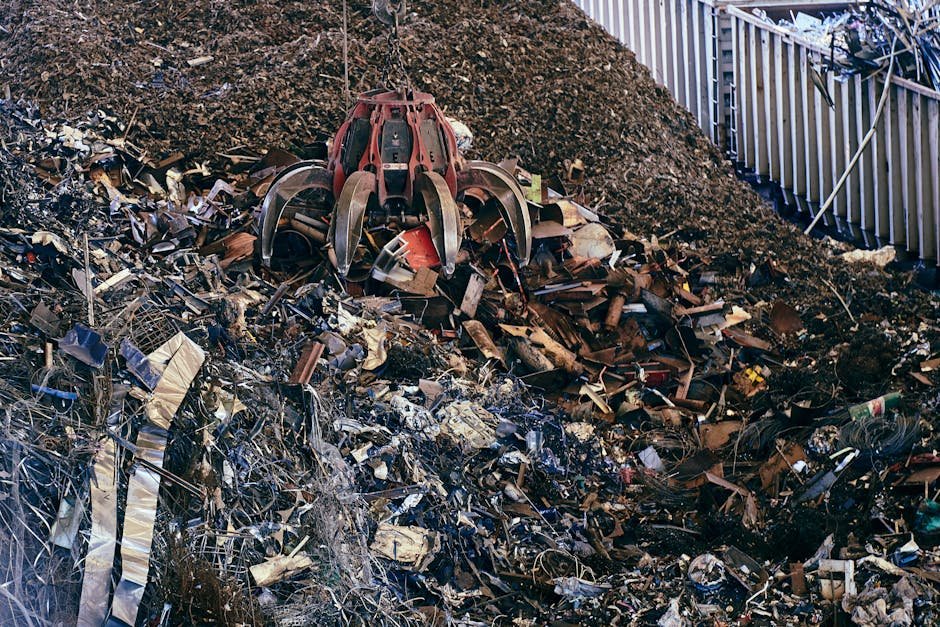
After sorting, the metal is shredded or sheared into smaller, manageable pieces to increase its density for transport. This is a critical step because high-density scrap is cheaper to ship to mills and foundries. The shredded metal is then melted in massive furnaces. Because metals like aluminium and copper do not lose their properties during the melting process, they can be recycled indefinitely, effectively creating a circular economy. By choosing to recycle, you are actively participating in a system that reduces the need for destructive mining practices.
Environmental Benefits of Recycling in Bankstown
Recycling scrap metal is one of the most effective ways to reduce your carbon footprint. Mining for virgin ore is an energy-intensive and environmentally damaging process that involves massive land clearing, water usage, and greenhouse gas emissions. By contrast, recycling aluminium saves approximately 95% of the energy required to produce it from raw bauxite ore. For steel, the energy savings hover around 75%.
In the context of scrap metal Bankstown, local recycling initiatives help divert thousands of tonnes of waste from landfills. Landfills are not designed to handle heavy metals, which can leach into groundwater and soil over time. By centralizing the collection of these materials, the industry ensures that heavy metals are kept out of our ecosystems. Furthermore, the reduction in energy consumption directly translates to lower carbon emissions, supporting Australia’s transition to a more sustainable industrial future. For detailed market trends and industry updates, check out the resources at Scraptrade Australia.
How to Maximize Your Scrap Metal Prices
Getting the best scrap metal Bankstown prices requires a bit of preparation. The most common mistake beginners make is mixing different types of metals in a single bin. When you bring a mixed load to a yard, the facility must spend extra time and labour to sort it, which often results in the entire load being paid at the lowest common denominator price. To maximize your returns, keep your metals separated by grade: copper in one container, brass in another, and steel in a third.
Cleanliness is also paramount. Remove any non-metallic attachments, such as plastic casing from copper wires, rubber seals from pipes, or steel bolts from aluminium components. While it takes time, the price difference between ‘clean’ and ‘dirty’ metal is substantial. Always keep an eye on Scrap Metal Prices, as they fluctuate daily based on the London Metal Exchange (LME) and exchange rates. Timing your sales during market peaks can significantly increase your total payout. For more expert insights into the industry, visit the main portal at Scrap Trade.
Safety and Compliance in Metal Recycling
Safety is the cornerstone of any professional scrap yard. When handling scrap, always wear heavy-duty gloves, steel-capped boots, and high-visibility clothing. Metal edges can be razor-sharp, and heavy items pose a crushing risk. Furthermore, ensure that all containers are properly secured during transport to prevent accidents on public roads. Compliance with local regulations is equally important; professional recyclers must be licensed and follow strict environmental guidelines regarding the storage and processing of hazardous materials like lead-acid batteries or fluids found in old machinery.
Always ensure that the facility you choose is reputable. A legitimate operator will provide a clear, transparent weighing process and offer competitive rates based on the current market. Avoid any yard that is hesitant to show you the weight on the scale or that lacks clear signage regarding their grading criteria. By maintaining high standards of safety and working with ethical partners, you ensure that your scrap metal is processed responsibly and sustainably.
The Future of Metal Recycling in Australia
The scrap metal industry is evolving rapidly with the integration of AI-driven sorting technologies and improved logistics. In the coming years, we expect to see more automated systems that can detect and separate alloys with near-perfect accuracy. This technological leap will further increase the efficiency of the recycling loop, making it even more profitable for individuals and businesses to participate. As urban density increases in areas like Bankstown, the role of local collection points will become even more vital to maintaining a clean and sustainable city.
Investing in the scrap metal economy is not just about immediate financial gain; it is about supporting a long-term strategy for resource security. Australia has a wealth of secondary materials that, if managed correctly, can reduce our dependency on imports and provide a stable supply of raw materials for domestic manufacturing. Whether you are a professional contractor or a DIY enthusiast, your contribution to the recycling stream helps build a more resilient and circular economy for the entire nation.
Practical Tips for Frequent Sellers
If you generate scrap metal regularly, consider establishing a dedicated storage area on your property. Use durable, weather-proof containers to keep your scrap dry, as rust and oxidation can degrade the quality of certain metals. For large volumes, inquire about bin services. Many scrap yards offer free or low-cost bin rental for commercial clients, which simplifies the collection and transport process. Keep a log of your sales to track your returns over time, and try to sell when the market is favourable rather than when your bins are full.
Finally, stay informed. The industry is sensitive to global events, such as supply chain disruptions or shifts in manufacturing demand. By staying connected with industry news and monitoring local market reports, you can anticipate price trends and make informed decisions about when to offload your inventory. The journey toward becoming a savvy scrap trader is one of continuous learning and strategic management of your resources.
Frequently Asked Questions
What is the most valuable metal to recycle?
Copper is consistently the most valuable common scrap metal due to its high demand in electrical and plumbing industries. Purity levels, such as ‘Bright and Shiny’ copper wire, command the highest market prices.
Does my scrap metal need to be clean before I sell it?
Yes, cleaning your scrap by removing plastic, rubber, or other non-metallic attachments significantly increases its value. ‘Clean’ metal is easier to process, and recyclers will pay a premium for materials that don’t require additional labor.
How often do scrap metal prices change?
Scrap metal prices fluctuate daily, often influenced by the London Metal Exchange and global supply and demand. It is recommended to check current market rates immediately before you visit a recycling facility.
Why is it important to separate my scrap metals?
Mixing different metal types forces recyclers to sort the material manually, which often results in the entire load being valued at the lowest grade. Keeping your metals separated ensures you receive the accurate, higher market rate for each specific material.