
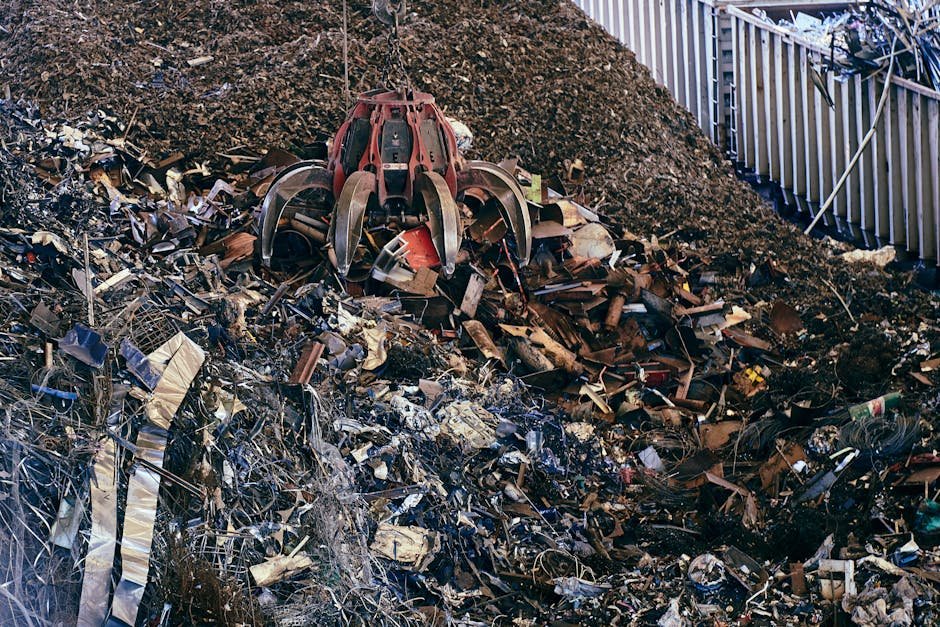

The dubai scrap market stands as a cornerstone of the regional circular economy, driven by rapid urban development and a sophisticated logistics network. As the city continues to expand, the volume of high-quality metallic waste generated from infrastructure projects creates a lucrative opportunity for investors and recyclers alike. Navigating the complexities of dubai scrap requires an intimate understanding of international grading standards, local regulations, and the logistical demands of moving heavy commodities through the Jebel Ali port and beyond. Whether you are looking to Sell Scrap or manage large-scale industrial recovery, this guide provides the technical foundation for success.
Understanding Metal Grades in the Dubai Scrap Market
The classification of metal is the lifeblood of the industry. In Dubai, scrap is primarily categorized into ferrous and non-ferrous groups, each governed by ISRI (Institute of Scrap Recycling Industries) standards. Ferrous metals, such as iron and steel, are the most abundant. Heavy Melting Steel (HMS 1 & 2) represents the gold standard for construction-related waste. HMS 1 refers to heavy, thick steel without black iron or thin gauge material, while HMS 2 includes thinner sections. For businesses looking to optimize their Scrap operations, identifying these grades accurately is the difference between a profitable shipment and a rejected container.
Non-ferrous metals, including copper, aluminum, brass, and lead, command significantly higher market prices due to their infinite recyclability and lower supply. Copper, specifically, is classified by purity: ‘Bright and Shiny’ (Number 1) fetches the highest premium, while ‘Burnt Wire’ or ‘Mixed’ grades require more intensive processing. Aluminum is often traded as ‘Tense’ (mixed aluminum clippings) or ‘Talk’ (aluminum wire). Understanding these nuances is critical for those exploring The Ultimate Guide to Starting a Scrap Business in Dubai, as margin management depends entirely on your ability to sort and grade material correctly at the point of origin.
The Mechanics of Industrial Recycling
Recycling in Dubai is a highly engineered process that transforms raw waste into secondary raw materials. The cycle begins with collection and segregation. Large-scale demolition sites utilize magnetic separators to pull ferrous metals from concrete and rubble. Once collected, the material is transported to specialized yards where it undergoes shearing, shredding, and baling. Shearing machines use hydraulic pressure to cut heavy steel beams into manageable sizes, while shredders break down smaller components into uniform pieces for easier melting in electric arc furnaces.
For non-ferrous processing, the industry utilizes eddy current separators, which use magnetic fields to repel non-ferrous metals from non-metallic waste. This technology is essential for recovering aluminum and copper from mixed streams. The final stage involves densification. By baling metals into high-density cubes, recyclers maximize container space, which is critical for export efficiency. Companies like Gmr Scrap demonstrate how systematic processing increases the value of recovered assets. For those interested in the broader Australian context, you can compare these operational models with the standards found at Australian metal recycling experts to see how global practices align.
Environmental Benefits and Sustainability
The environmental impact of recycling in the UAE is profound. Producing steel from scrap consumes approximately 75% less energy than producing it from virgin iron ore. By diverting millions of tonnes of metal from landfills, the Dubai scrap industry significantly reduces the carbon footprint of the construction sector. Furthermore, the mining process for virgin metals causes extensive soil erosion, water pollution, and habitat destruction. Recycling acts as an ‘urban mine,’ allowing us to extract value from existing products without further depleting the Earth’s natural resources.
Water conservation is another often-overlooked benefit. The refining of virgin metals requires massive amounts of water for cooling and processing, whereas secondary smelting is far less water-intensive. In a water-scarce region like the UAE, this shift towards circularity is not just an economic choice but an environmental necessity. By participating in the scrap market, businesses contribute to the UAE’s ‘Green Agenda,’ helping the nation meet its sustainability targets while simultaneously creating a robust secondary supply chain that supports local manufacturing and reduces reliance on expensive imports.
Logistics and Export Strategies for Dubai Scrap
Dubai’s strategic location serves as a bridge between the resource-rich markets of the Middle East and the manufacturing hubs of Asia. Exporting scrap requires meticulous documentation, including Certificates of Origin, radiation clearance certificates, and detailed packing lists. Customs authorities in Dubai are rigorous regarding the inspection of containers to prevent the export of hazardous or prohibited materials. Ensuring compliance with the Basel Convention is non-negotiable for international trade.
Success in this sector requires long-term partnerships with shipping lines and freight forwarders who understand the specific needs of bulk commodities. Fluctuations in freight rates can erode profit margins, so hedging against logistics costs is a standard practice for professional traders. Furthermore, utilizing digital platforms like Scrap Trade can streamline the process of finding reliable buyers and sellers, ensuring that price discovery is transparent and efficient. By leveraging technology, traders can mitigate the risks associated with price volatility and ensure a steady flow of material.
Market Trends and Future Outlook
The global demand for recycled metals is surging, driven by the transition to renewable energy technologies. Electric vehicles, wind turbines, and solar panels all require vast quantities of copper and aluminum, making the recycling industry a critical component of the global energy transition. In Dubai, we are seeing a shift toward more sophisticated sorting technologies, including AI-driven optical sorters that can identify metal alloys by their chemical signature in milliseconds. This technological leap allows for higher purity levels, which in turn commands higher prices on the London Metal Exchange (LME).
Another trend is the increasing focus on traceability. Buyers in Europe and North America are demanding proof that their scrap is sourced ethically and processed in facilities that adhere to strict environmental and labor standards. Firms that invest in transparency and certification will find themselves with a competitive advantage in the coming decade. As the UAE continues to invest in smart city infrastructure, the volume of high-grade scrap available for recovery will only increase, cementing Dubai’s role as a primary node in the global scrap trade network.
Practical Tips for Scrap Traders
1. Always verify the purity of your material using portable XRF (X-ray fluorescence) analyzers before committing to a sale. 2. Develop a relationship with a local yard that offers consistent pricing and reliable logistics support. 3. Diversify your portfolio by trading both ferrous and non-ferrous metals to hedge against sector-specific price drops. 4. Maintain clean storage facilities to prevent oxidation and contamination, which can downgrade your material value. 5. Stay updated on LME price movements daily, as the scrap market is highly sensitive to global economic shifts. 6. Invest in baling equipment to increase your shipping density, as freight costs are often the largest variable expense in international trade. 7. Prioritize safety and regulatory compliance to avoid costly fines or operational shutdowns. 8. Use digital platforms to monitor global market trends and connect with international buyers who offer competitive premiums for high-quality, pre-sorted scrap.
Frequently Asked Questions
What are the most common grades of scrap traded in Dubai?
The most common grades include HMS 1 and HMS 2 for steel, and various grades of copper wire, aluminum extrusions, and brass turnings. These are classified based on purity, thickness, and the absence of contaminants.
How do I ensure my scrap export complies with international laws?
You must adhere to the Basel Convention guidelines, ensure all material is free from hazardous waste or radiation, and provide accurate documentation including certificates of origin and detailed inspection reports.
Why is recycling scrap metal better for the environment?
Recycling metal significantly reduces energy consumption compared to virgin ore extraction and minimizes the environmental degradation caused by mining, while also diverting massive volumes of waste from landfills.
How can I find the best prices for my scrap in Dubai?
To secure the best prices, you should track daily London Metal Exchange (LME) rates, ensure your material is well-sorted and free of contaminants, and use digital trading platforms to compare offers from multiple international buyers.