
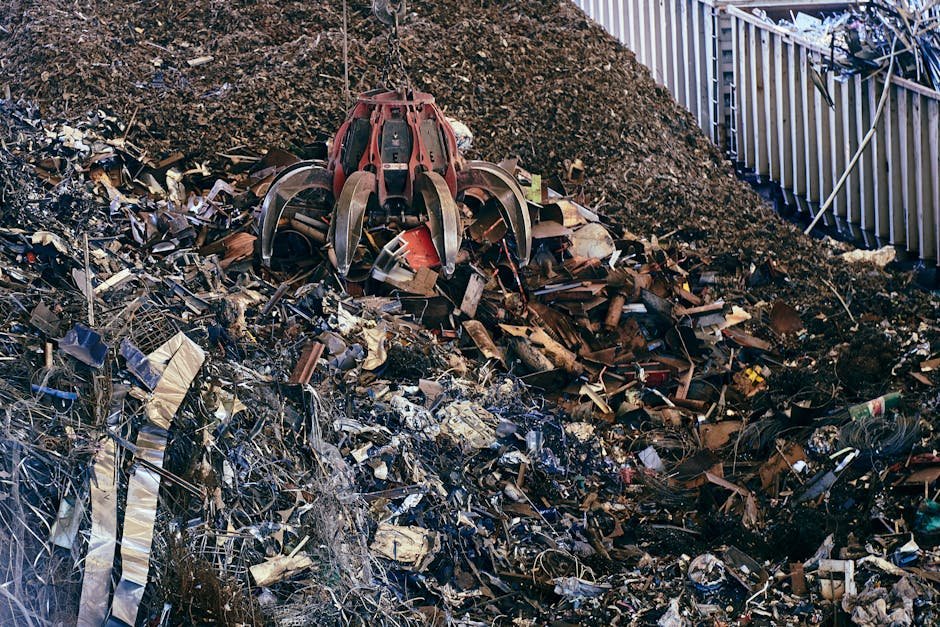

Navigating the landscape of epping scrap metal requires a deep understanding of commodity grades, market volatility, and the logistical realities of the Australian recycling industry. Whether you are a trade contractor clearing a worksite or a homeowner decluttering, understanding how your scrap is valued is the first step toward turning waste into a reliable revenue stream. As the industry evolves, the demand for high-quality, pre-sorted scrap has never been higher, driven by the global shift toward a circular economy. By choosing a professional facility, you ensure that your materials are processed according to the highest environmental standards while securing the best possible financial return. If you are searching for a reliable partner, our Scrap Metal Epping: Complete Guide to Grades, Recycling & Cash provides the foundational knowledge required to navigate local market dynamics effectively.
Understanding Metal Grades: Ferrous vs. Non-Ferrous
The primary distinction in the scrap industry lies between ferrous and non-ferrous metals. Ferrous metals, such as steel and iron, contain iron and are generally magnetic. These are the backbone of construction and automotive manufacturing. In Epping, scrap metal yards handle massive volumes of structural steel, rebar, and cast iron. Because these materials are abundant, they are typically priced lower per kilogram than their non-ferrous counterparts. However, the sheer volume of ferrous material makes it a profitable venture for large-scale demolition projects.
Non-ferrous metals, which include copper, aluminium, brass, lead, and stainless steel, do not contain iron and are non-magnetic. These are highly prized for their conductivity, corrosion resistance, and infinite recyclability. Copper, in particular, remains the gold standard in the scrap industry. Whether it is bright shiny copper, copper tubing, or insulated wiring, the purity of the metal dictates its market value. When you visit a Metal Scrap Yard Near Me, you will notice that staff use specialized testing equipment, such as X-ray fluorescence (XRF) analyzers, to verify the alloy composition. Understanding these grades is critical, as misidentifying a high-value alloy like phosphor bronze as common brass can result in significant financial loss.
The Economics of Scrap Metal Prices
The market for recovered materials is inherently volatile, influenced by global industrial demand, geopolitical stability, and supply chain logistics. To stay ahead, you must monitor Scrap Metal Prices regularly. These prices fluctuate daily based on the London Metal Exchange (LME) and local demand within the Australian manufacturing sector. For instance, a surge in construction activity in Victoria often leads to a localized increase in demand for copper and aluminium, pushing prices upward.
Successful scrap traders treat their inventory like a stock portfolio. They know when to hold onto high-value copper during a price dip and when to offload ferrous materials to clear space for more valuable commodities. It is essential to understand that the price you receive at the weighbridge is a reflection of the purity and the preparation of the load. Contaminated scrap—such as copper wire with plastic insulation or steel beams bolted to concrete—will always fetch a lower price because the recycling facility must invest additional time and energy to clean the material. Always aim to strip, sort, and clean your scrap before delivery to maximize your payout.
How the Recycling Process Works
Once you drop off your materials at a professional facility, the transformation process begins. The journey of a scrap metal item involves several sophisticated stages. First, the material is weighed on certified scales to ensure transparency. Next, the sorting process begins. Manual sorting is often used for high-value items, while magnets, eddy current separators, and optical sorters are employed to separate ferrous from non-ferrous materials automatically.
After sorting, the metal is processed. Large, oversized items like car bodies or structural steel are fed into industrial shredders, which break the metal down into small, uniform pieces. This increases the surface area, making it easier to remove impurities. For non-ferrous metals, the material is often baled or granulated. Finally, the processed scrap is shipped to smelters, where it is melted down into ingots. These ingots are then sold back to manufacturers to create new products, closing the loop. By choosing a reputable provider like Crg Scrap Metal, you ensure that your materials are processed through these efficient, energy-saving channels rather than ending up in a landfill.
Environmental Benefits and Sustainability
The environmental impact of recycling scrap metal is profound. Extracting raw ore from the earth is an energy-intensive process that causes significant habitat destruction and carbon emissions. By contrast, recycling existing metal requires a fraction of the energy. For example, recycling aluminium uses approximately 95% less energy than producing it from bauxite ore. This reduction in energy translates directly to a lower carbon footprint for the entire manufacturing sector.
Furthermore, recycling prevents hazardous materials from leaching into the soil and groundwater. Old electronics, batteries, and lead-acid components contain toxic substances that, if improperly discarded, pose a severe risk to the local Epping environment. Professional recycling ensures that these toxins are safely contained and neutralized. When you engage with the Australian scrap trading community, you are contributing to a sustainable cycle that preserves natural resources for future generations. This is not just a business transaction; it is an act of environmental stewardship that supports the transition toward a greener, more resilient Australian economy.
Logistics and Preparation Tips for Epping Residents
Efficiency is the key to profit in the scrap business. Before you transport your materials to a facility, take the time to organize your load. Mixing different grades of metal forces the yard to spend time sorting it, which often results in a lower ‘mixed scrap’ price. Instead, separate your copper, aluminium, brass, and steel into distinct containers or piles. If you are dealing with large quantities, contact the yard in advance to discuss logistics, such as bin hire or heavy-duty skip collection services.
Safety is equally paramount. Always wear appropriate personal protective equipment (PPE), including gloves and steel-capped boots, when handling scrap. Metal edges can be razor-sharp, and heavy items pose a significant crushing risk. Furthermore, be aware of the legal requirements. In Victoria, scrap metal dealers are required to follow strict regulations regarding the recording of transactions to prevent the trade of stolen goods. Always carry valid photo identification, as reputable yards will require this for compliance purposes. By adhering to these professional standards, you build a relationship of trust with your local dealer, which can lead to better service and potentially better pricing over time.
The Future of Scrap Recycling in Australia
The industry is currently undergoing a digital transformation. From real-time pricing apps to advanced tracking software that monitors the lifecycle of industrial waste, technology is making the scrap trade more transparent and efficient than ever before. We are also seeing a shift toward ‘urban mining,’ where the focus is on recovering precious metals from the growing mountain of e-waste. This trend is particularly relevant in urban centers like Epping, where residential and commercial growth is driving an increase in scrap production.
As Australia continues to tighten its waste export regulations, the domestic capacity to process and refine scrap metal is expanding. This creates a more robust local market, reducing our reliance on overseas processing and fostering a self-sustaining industrial ecosystem. For those involved in the trade, this represents a massive opportunity. By staying informed, maintaining high standards of material purity, and working with ethical, established partners, you can capitalize on this growth while contributing to a cleaner, more efficient industrial future. The scrap metal industry is no longer just a peripheral service; it is a vital component of the modern Australian economy, and those who master the nuances of the trade will find it to be a consistently rewarding endeavor.
Related: Crg Scrap Metal
Frequently Asked Questions
What is the most valuable metal I can recycle?
Copper is consistently the most valuable common scrap metal due to its high demand in electrical and plumbing industries. Bright shiny copper wire typically fetches the highest price per kilogram.
Do I need to clean my metal before taking it to a scrap yard?
Yes, cleaning your metal by removing plastic insulation, rubber, or non-metal attachments significantly increases its value. Clean, sorted metal is faster to process and commands a higher price than mixed or contaminated scrap.
What documentation do I need to sell scrap metal in Victoria?
Under Victorian law, you must provide valid government-issued photo identification when selling scrap metal. This is a mandatory requirement to ensure all transactions are recorded and to prevent the sale of stolen property.
How do scrap metal prices fluctuate?
Prices are driven by global supply and demand, currency exchange rates, and the cost of energy. Because these factors change daily, it is recommended to check current market rates immediately before visiting a scrap yard.