
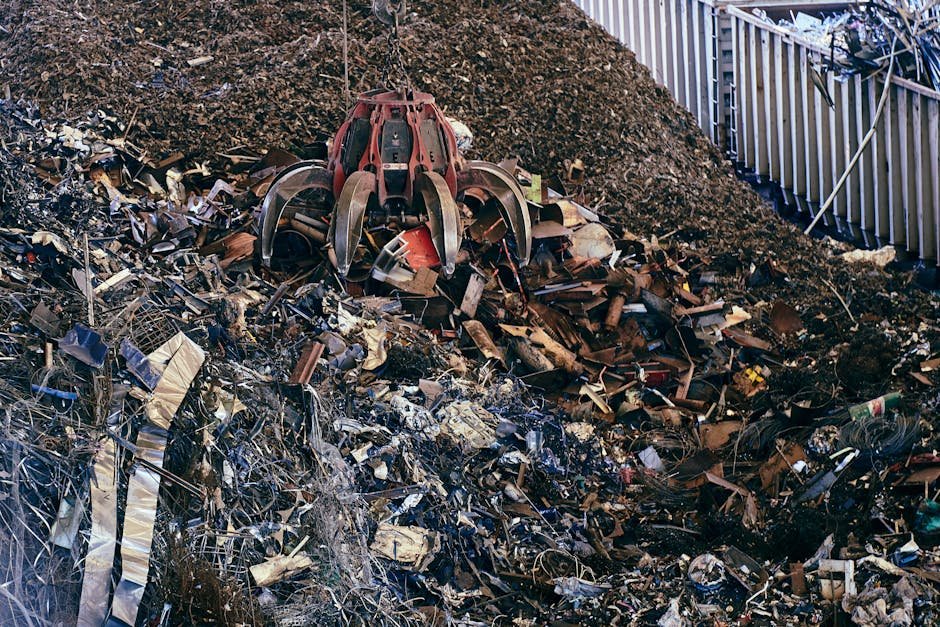

Understanding the complexities of scrap metal scrap metal is essential for any business or individual looking to participate in the lucrative and environmentally vital Australian recycling industry. Whether you are managing industrial waste or clearing out a workshop, knowing how to classify, prepare, and trade your materials is the difference between a minor payout and a significant revenue stream. Our industry-leading guide at Scrap Trade provides the expertise needed to navigate this market effectively. By leveraging professional services like Scrap Trade Australia, you ensure that your materials are handled according to the highest environmental standards while maximizing your financial return. To get started, you must first understand the current market dynamics, which you can track by reviewing Scrap Metal Prices to ensure your expectations align with global commodity fluctuations.
Understanding Metal Grades and Classification
The foundation of the recycling industry lies in the precise classification of materials. Metals are generally categorized into ferrous and non-ferrous groups, each requiring different handling and processing techniques. Ferrous metals, such as iron and steel, are magnetic and are primarily used in construction and heavy manufacturing. Non-ferrous metals, including copper, aluminium, brass, and lead, are highly valued for their resistance to corrosion and their superior electrical conductivity. When you visit a Metal Scrap Yard Near Me, you will find that these grades dictate the market value. For instance, bright shiny copper wire commands a much higher price than insulated copper cabling due to the processing effort required to strip the plastic coating. Aluminium is further graded by its alloy composition—cast aluminium, extrusion, and sheet aluminium all have distinct market values. Understanding these nuances allows you to sort your scrap effectively, which is the most practical way to increase your profit margins before arriving at a facility like Crg Scrap Metal. Proper sorting prevents cross-contamination, which is the primary reason for downgraded pricing at weighbridges.
The Lifecycle of Scrap Metal Recycling
Recycling is not merely about dumping old metal; it is a sophisticated industrial process that transforms waste into high-quality raw material. The journey begins with collection, where scrap is gathered from demolition sites, manufacturing facilities, and consumer drop-offs. Once the material reaches a processing facility, it undergoes rigorous inspection to ensure it is free from hazardous contaminants like oil, chemicals, or radioactive materials. Advanced technologies such as X-ray fluorescence (XRF) analyzers are used to determine the exact chemical composition of the metal, ensuring that alloys are correctly identified. Following identification, the metals are shredded or sheared into smaller pieces to increase their surface area, making the subsequent melting process more efficient. Magnetic separators are then deployed to pull out ferrous metals from the mix, while eddy current separators are used to isolate non-ferrous metals. The final stage involves melting the sorted metal in high-temperature furnaces to create ingots, which are then sold back to manufacturers to be forged into new products. This closed-loop system is the cornerstone of modern industrial sustainability, as detailed in our guide on Scrap Metal Near Me: Grades, Recycling & Environmental.
Environmental and Economic Benefits
The environmental impact of recycling cannot be overstated. Mining virgin ore is an energy-intensive process that causes significant habitat destruction and carbon emissions. By contrast, recycling aluminium saves approximately 95% of the energy required to produce the same amount from bauxite ore. Similarly, recycling steel reduces energy consumption by about 75%. Beyond energy savings, recycling scrap metal reduces the need for landfill space, preventing toxic leachates from contaminating local groundwater. Economically, the industry is a massive driver of employment in Australia, supporting thousands of jobs in logistics, processing, and manufacturing. By participating in the scrap market, you are directly contributing to a reduction in the national carbon footprint while supporting the local economy. Businesses that implement robust scrap management programs often find that they can turn a waste management cost into a revenue-generating asset, effectively subsidizing their own operational expenses through responsible resource recovery.
Strategic Preparation for Higher Returns
To maximize your returns, preparation is everything. First, always strip insulation from copper wiring if you have the tools and time, as clean copper is significantly more valuable than dirty copper. Second, remove any non-metallic attachments from your scrap; wood, plastic, and rubber are considered contaminants and will significantly reduce the weight-based value of your load. Third, keep your metals separated by grade. Mixing high-value metals like stainless steel with lower-value ferrous scrap is a common mistake that leads to significant financial loss. Fourth, be aware of the market timing. Metal prices are tied to global supply and demand, influenced by factors such as construction activity in China, shipping costs, and energy prices. Monitoring these trends allows you to hold onto your scrap during market dips and sell when prices are high. Finally, always maintain accurate records of your scrap sales. This is not only good business practice but also necessary for compliance with environmental regulations and tax reporting. Building a long-term relationship with a reputable yard ensures you get consistent pricing and professional advice on how to handle specialized materials like lead-acid batteries or industrial machinery components.
Navigating Industrial Regulations and Safety
Operating within the scrap metal industry requires strict adherence to safety and environmental regulations. All scrap yards must comply with state-specific environmental protection agency (EPA) guidelines regarding the storage and processing of hazardous materials. As a supplier, you are responsible for ensuring that the scrap you provide is free from prohibited items, such as sealed containers that could explode during the melting process or materials contaminated with asbestos. Safety is paramount; always wear appropriate personal protective equipment (PPE) when handling scrap, including heavy-duty gloves, steel-toed boots, and eye protection. Jagged metal edges can cause severe injuries, and heavy loads require proper lifting techniques or mechanical assistance. Furthermore, many Australian states have implemented legislation to prevent the sale of stolen scrap metal, requiring yards to verify the identity of sellers and maintain detailed logs of transactions. By working with established, compliant businesses, you protect yourself from legal liability and ensure that the recycling process is conducted ethically and transparently.
The Future of the Australian Scrap Market
The future of the scrap metal industry in Australia is increasingly focused on innovation and technology. We are seeing a shift toward more automated sorting processes, utilizing artificial intelligence and machine learning to identify and separate complex alloys with unprecedented accuracy. Additionally, there is a growing emphasis on “urban mining,” where cities are viewed as massive repositories of raw materials that can be tapped into to support local manufacturing. As global supply chains face increasing volatility, the importance of domestic recycling infrastructure has never been higher. Australia is well-positioned to become a leader in this space, provided that businesses and individuals continue to prioritize the recovery and reuse of materials. The integration of digital platforms into the trading process is also making it easier for smaller suppliers to access competitive pricing and logistics support, effectively democratizing the industry. By staying informed and engaged, you can play an active role in this transition toward a more sustainable and resource-efficient future.
Conclusion: Taking Action
The decision to recycle your scrap metal is a commitment to both your financial health and the health of the planet. Whether you are a small business owner, a contractor, or a household recycler, the principles of proper identification, sorting, and strategic selling remain the same. The scrap metal scrap metal market is dynamic and rewarding for those who take the time to understand its mechanics. By utilizing the resources available at our hub, you can confidently navigate the complexities of the industry, avoid common pitfalls, and ensure you are getting the best possible value for your materials. Remember that every kilogram of metal you recycle is a step toward reducing our reliance on virgin resources and supporting a cleaner, more efficient Australian economy. Start by auditing your current waste streams, implementing a sorting system, and connecting with a trusted local partner who can help you turn your scrap into a sustainable asset.
Frequently Asked Questions
What is the difference between ferrous and non-ferrous scrap metal?
Ferrous metals contain iron and are magnetic, making them easier to sort using magnets. Non-ferrous metals, such as copper, aluminium, and brass, do not contain iron and are generally more valuable due to their specific properties and recycling demand.
How can I get the best price for my scrap metal?
To get the best price, ensure your scrap is clean, free of contaminants like plastic or wood, and sorted by specific metal grades. Keeping up-to-date with current market price trends for your specific materials is also crucial for timing your sales effectively.
Why is it important to remove insulation from copper wire?
Copper wire with insulation is classified as ‘dirty’ scrap, which requires additional processing to remove the plastic coating. Stripping the insulation yourself increases the purity of the material, allowing you to sell it as ‘bright and shiny’ copper, which commands a significantly higher price per kilogram.
What items are prohibited from being sold as scrap metal?
Items that are prohibited include sealed containers that may contain pressure or hazardous gases, radioactive materials, and items contaminated with hazardous chemicals or asbestos. Always consult with your local scrap yard regarding their specific acceptance policies for complex industrial items.