
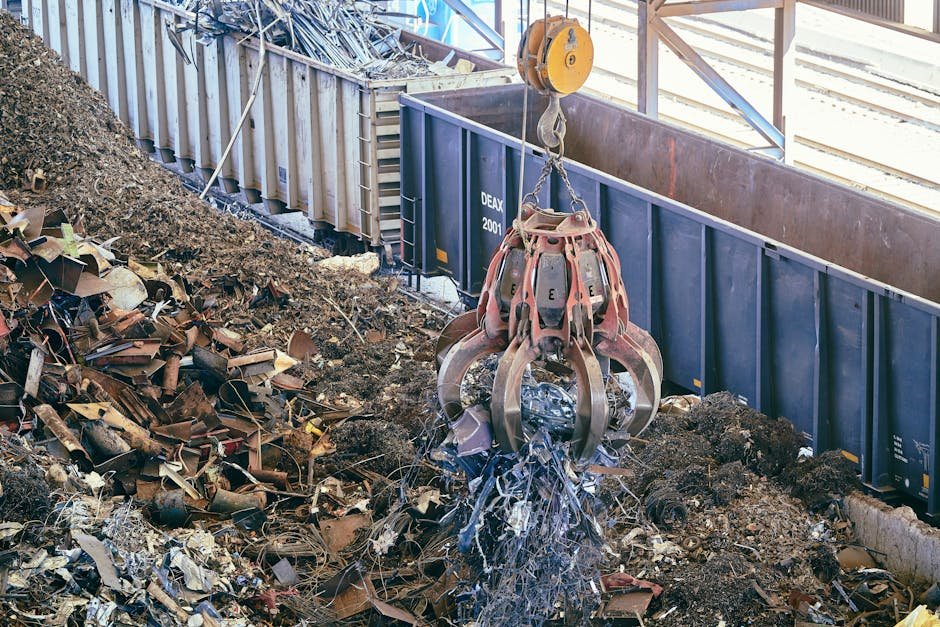

When you are looking to maximize your 316 scrap value, precision is your greatest asset. 316 stainless steel is a high-grade alloy prized for its corrosion resistance, making it essential in marine, medical, and food-processing industries. Because it contains significant amounts of nickel and molybdenum, it holds a much higher market price than common 304-grade stainless. If you are sitting on a stockpile of industrial offcuts, valves, or piping, you are sitting on liquid capital. To ensure you get top dollar, you must understand how market fluctuations and material purity dictate the final payout. If you are ready to convert your metal into cash, visit our Sell Scrap portal to initiate your transaction today.
Understanding 316 Scrap Value and Alloy Grading
The primary driver of 316 scrap value is the chemical composition of the alloy. Unlike lower-grade stainless steels, 316 contains between 2% and 3% molybdenum, which provides superior resistance to chloride-induced pitting. When scrap yards assess your material, they are looking for this specific metallurgical signature. We use advanced handheld XRF analyzers to verify the grade of your Scrap instantly. This technology removes the guesswork, ensuring you are paid accurately for the specific alloy you bring in. It is critical to separate your 316 from 304 or 400-series steel, as mixing grades will result in a lower ‘mixed stainless’ price point. By keeping your high-grade 316 segregated, you protect your margins and ensure you receive the premium price that your material deserves. For a deep dive into the broader market, refer to our comprehensive resource on Understanding Scrap Value: The Ultimate Guide to Metal Recycling.
The Recycling Process: From Yard to Foundry
Once you drop off your stainless steel, the recycling process is highly efficient. Your material is weighed on certified scales, sorted, and then processed through hydraulic shears or plasma cutters to reduce it to manageable sizes. At Gmr Scrap, we prioritize rapid processing so that your material moves quickly through the supply chain. Once shredded and cleaned of contaminants, the 316 is melted in electric arc furnaces. This process is incredibly energy-efficient compared to mining virgin ore, which is why global demand for recycled stainless steel remains consistently high. By recycling, you are not just clearing your warehouse; you are participating in a circular economy that reduces the massive carbon footprint associated with primary nickel and chromium extraction. We provide transparent documentation for every load, giving you full visibility into how your scrap is handled and processed.
Environmental and Economic Benefits of Recycling
Choosing to recycle 316 stainless steel is a strategic financial decision that also yields significant environmental dividends. Every tonne of recycled stainless steel saves approximately 2.5 tonnes of iron ore, 1.4 tonnes of coal, and 120 kilograms of limestone. Furthermore, the energy savings are substantial—recycling stainless steel requires 70% less energy than producing it from raw materials. When you partner with a reputable recycler like Scrap Trade Australia, you are ensuring that your waste is handled in compliance with strict environmental regulations. This is not just about clearing space; it is about corporate responsibility and maximizing the lifecycle value of your industrial assets. We help businesses across the country optimize their waste management strategies to turn potential liabilities into recurring revenue streams.
Strategic Tips for Maximizing Your Payout
To consistently secure the highest 316 scrap value, follow these professional tips:
- Remove Contaminants: Bolts, rubber gaskets, and heavy plastic fittings are considered ‘dirt’ and will lower your price per kilogram. Clean your scrap before arrival.
- Sort by Grade: Never mix 316 with 304 or carbon steel. The presence of lower-grade metals will downgrade the entire batch to the lowest common denominator.
- Monitor Market Trends: Stainless steel prices fluctuate based on LME (London Metal Exchange) nickel prices. Timing your larger sales during peak market cycles can significantly increase your total return.
- Build a Relationship: Consistent suppliers often gain access to better pricing tiers. We value long-term partnerships with industrial contractors and trade businesses.
The market for stainless steel is dynamic, and waiting for the right moment to sell can pay dividends. However, holding onto scrap for too long can also lead to storage costs and potential degradation. We recommend a consistent, scheduled drop-off program to keep your site clean and your cash flow steady. Our team is ready to provide you with current market insights and help you navigate the complexities of metal trading. Do not let your high-value 316 stainless steel sit idle when it could be funding your next project. Contact our team today to get a custom quote and secure your spot in our processing queue. Your material has value—let us help you claim it.
Frequently Asked Questions
Why is 316 stainless steel worth more than 304?
316 stainless steel contains molybdenum, which increases its corrosion resistance and value. This makes it significantly more expensive to produce and, consequently, more valuable as scrap.
How can I tell if my scrap is 316 or 304?
While both are non-magnetic, 316 is often stamped with its grade. The most accurate way to identify it is through XRF metal analysis, which we provide at our facility.
Does the condition of the scrap affect the price?
Yes. Clean, sorted, and contaminant-free scrap always commands a higher price. Removing attachments like plastic or rubber is essential for maximizing your return.
How often do scrap metal prices change?
Scrap metal prices fluctuate daily based on global commodity markets, particularly the LME nickel price. We provide up-to-date pricing to ensure you receive fair market value.