
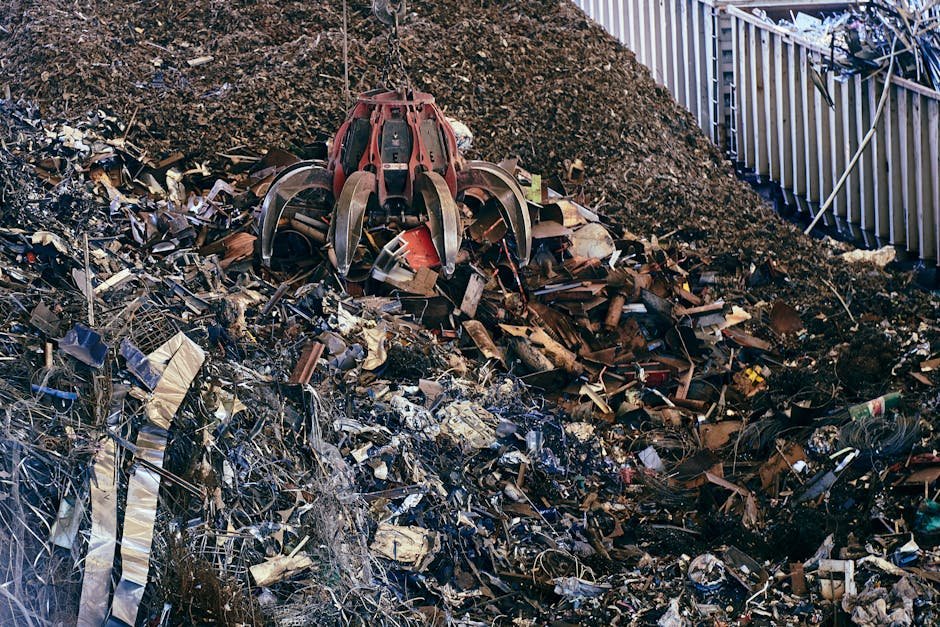

Understanding the nuances of norman scrap metal is essential for anyone looking to maximize the value of their recyclable materials while contributing to a circular economy. In the Australian landscape, the trade of scrap metal has evolved from simple collection to a sophisticated industrial process that powers major manufacturing sectors. Whether you are a tradesperson, a demolition contractor, or a household recycler, navigating the complexities of metal grades, market fluctuations, and environmental compliance is key to success. This guide serves as your authoritative resource for managing scrap metal assets effectively.
The Evolution of Norman Scrap Metal Recycling
The history of scrap metal recycling in Australia is a testament to industrial innovation. Historically, the industry was fragmented, but today, players like sims scrap metal and various regional operators have standardized the collection and processing of metals. When we discuss norman scrap metal, we are referring to the systematic recovery of metals that would otherwise end up in landfills, causing soil contamination and resource depletion. The modern recycling facility acts as a hub where complex materials are separated using advanced technologies such as magnetic separators, eddy current separators, and high-definition optical sorting.
The process begins with collection. Whether you are searching for Scrap Metal Recycling Near Me, the goal is to find a facility that prioritizes efficiency and fair market valuation. Once collected, metals are weighed and inspected. Contaminants—such as plastic, glass, or hazardous materials—are removed to ensure the purity of the scrap. This purity is what dictates the final market value, making it crucial for suppliers to understand what they are bringing to the yard. For those looking to capitalize on their haul, knowing how to Sell Scrap Metal Near Me In 2026 requires staying updated on current market trends and facility requirements.
Understanding Metal Grades and Classification
To be an expert in the scrap industry, you must distinguish between ferrous and non-ferrous metals. Ferrous metals, which contain iron, are magnetic and generally hold a lower price point per kilogram than non-ferrous metals. Common ferrous grades include heavy melting steel, cast iron, and light gauge steel. On the other hand, non-ferrous metals—such as copper, aluminum, brass, and lead—are highly prized for their conductivity and resistance to corrosion. When you visit a facility for norman scrap metal processing, your payout will depend heavily on the grade of these materials.
Copper, for instance, is graded based on its purity. “Bright and shiny” copper, which is uninsulated and clean, fetches the highest price. Copper wire with insulation is graded lower because the facility must invest energy into stripping the plastic coating. Aluminum is similarly graded; clean, cast aluminum is worth more than aluminum that contains steel inserts or paint residue. By separating your metals before arrival, you significantly increase your profit margins. Always keep an eye on Scrap Metal Prices to ensure you are selling when the market is favorable. The industry also sees significant activity from specialized providers like enviro scrap metal, which focus on sustainable processing techniques that minimize the carbon footprint of recycling.
The Industrial Recycling Process: From Scrap to Commodity
The journey of a piece of scrap metal is fascinating. Once it reaches the recycling center, it undergoes a multi-stage transformation. First, it is sheared or shredded. Shredding is a critical step that reduces large, bulky items like car bodies or white goods into fist-sized chunks. This increases the surface area, making it easier to separate different materials. Powerful magnets are used to pull ferrous metals out of the mix, while non-ferrous metals are separated using more advanced techniques like sensor-based sorting.
Once sorted, the metals are baled or compacted for transport to smelters. Smelting is the process where the scrap is melted down into ingots or billets. These raw forms are then sold back to manufacturers to create everything from new car parts and beverage cans to structural steel for skyscrapers. This process uses significantly less energy than mining virgin ore. For example, recycling aluminum saves approximately 95% of the energy required to produce it from bauxite ore. This energy efficiency is the backbone of the Scrap Trade platform, which connects sellers with reputable recyclers across the country.
Environmental Benefits and Sustainability
The environmental impact of recycling cannot be overstated. Mining is a resource-intensive activity that leads to deforestation, water pollution, and massive greenhouse gas emissions. By choosing to recycle, individuals and businesses are directly mitigating these effects. Furthermore, the scrap metal industry supports the circular economy—a system where materials are kept in use for as long as possible. When you utilize the services of Scrap Trade Australia, you are contributing to a sustainable future where waste is viewed as a valuable resource rather than a burden.
Recycling also prevents hazardous materials from leaching into the environment. Old appliances, for instance, often contain refrigerants or heavy metals that must be handled with extreme care. Professional recycling facilities are equipped to extract these substances safely, preventing soil and groundwater contamination. By supporting certified recycling hubs, you ensure that your materials are handled according to strict environmental regulations, protecting local ecosystems for future generations.
Practical Tips for Maximizing Scrap Value
If you want to maximize your returns, preparation is everything. First, organize your scrap. Never mix different types of metals in the same container. If a buyer sees a mix of brass and steel, they will often grade the entire load at the lowest common denominator price. Second, clean your scrap. Remove as much plastic, wood, and rubber as possible. A clean load of copper pipe is worth significantly more than a load of copper pipe covered in insulation and tape.
Third, keep track of market timing. Metal prices are volatile and influenced by global supply and demand, the strength of the Australian dollar, and industrial output in major economies. While you cannot control the market, you can choose when to sell. If you have a large volume of scrap, consider storing it until prices peak. Finally, build a relationship with your local yard. Regular suppliers often get better service and more transparent grading. When you are ready to move your materials, use reliable platforms to find the best local options.
Safety and Compliance in the Scrap Yard
Safety is the top priority in any professional scrap metal environment. Whether you are dropping off a small load or a commercial truckload, you must adhere to site-specific safety protocols. This includes wearing appropriate personal protective equipment (PPE), such as high-visibility vests, steel-toed boots, and gloves. Heavy machinery, including excavators, forklifts, and shears, is constantly in motion. Always stay within designated pedestrian walkways and follow the instructions of site staff.
Compliance also extends to the law. In Australia, scrap metal dealers are required to maintain strict records of transactions to prevent the trade of stolen goods. Expect to provide identification and documentation when selling certain types of scrap. This regulation helps maintain the integrity of the industry and ensures that all participants are operating legally. By being a transparent and responsible seller, you help the industry maintain its reputation and efficiency.
The Future of Metal Recycling
The future of the scrap industry is bright, driven by technological advancements and a global shift toward sustainability. We are seeing the rise of “smart” recycling, where artificial intelligence and robotics are used to identify and sort materials with near-perfect accuracy. This reduces human error and increases the purity of the recycled output. Furthermore, as industries move toward zero-waste targets, the demand for high-quality recycled metal will only continue to grow.
As we look toward 2026 and beyond, the integration of digital platforms will make it easier than ever to trade scrap. Real-time pricing, transparent logistics, and digital tracking will empower both small-scale recyclers and large industrial firms. The importance of local hubs in this ecosystem remains paramount. By staying informed and engaged, you can play an active role in this transition, turning your scrap into a profitable and environmentally friendly asset.
Conclusion: Your Role in the Circular Economy
Recycling is more than just a way to make extra money; it is a vital component of a sustainable global economy. From the initial collection of norman scrap metal to the final smelting process, every step contributes to saving energy, preserving natural resources, and reducing industrial waste. Whether you are a professional contractor or a conscientious citizen, your participation matters. By sorting your materials, staying informed about market prices, and utilizing professional recycling facilities, you are contributing to a cleaner, more efficient future.
Remember to leverage the resources available at your fingertips. Utilize online platforms to compare local facilities, track market fluctuations, and stay updated on industry best practices. The scrap metal industry is a dynamic and essential part of the Australian economy, and by engaging with it responsibly, you ensure that your contribution has a positive impact. Start today by auditing your current metal waste and finding the best way to process it for maximum value and environmental benefit.
Frequently Asked Questions
What is the difference between ferrous and non-ferrous scrap?
Ferrous metals contain iron and are magnetic, such as steel and iron. Non-ferrous metals do not contain iron, are non-magnetic, and include valuable materials like copper, aluminum, and brass.
How can I get the best price for my scrap metal?
To get the best price, ensure your metal is clean, sorted by type, and free of contaminants like plastic or wood. Check current market prices before selling and build a relationship with a reputable local yard.
Why is recycling scrap metal better for the environment?
Recycling scrap metal significantly reduces the need for mining virgin ore, which saves vast amounts of energy and reduces greenhouse gas emissions. It also prevents hazardous waste from entering landfills and polluting local ecosystems.
Do I need identification to sell scrap metal?
Yes, in Australia, most scrap metal dealers are legally required to record your identification details to prevent the trade of stolen property. Always carry a valid form of government-issued ID when visiting a yard.