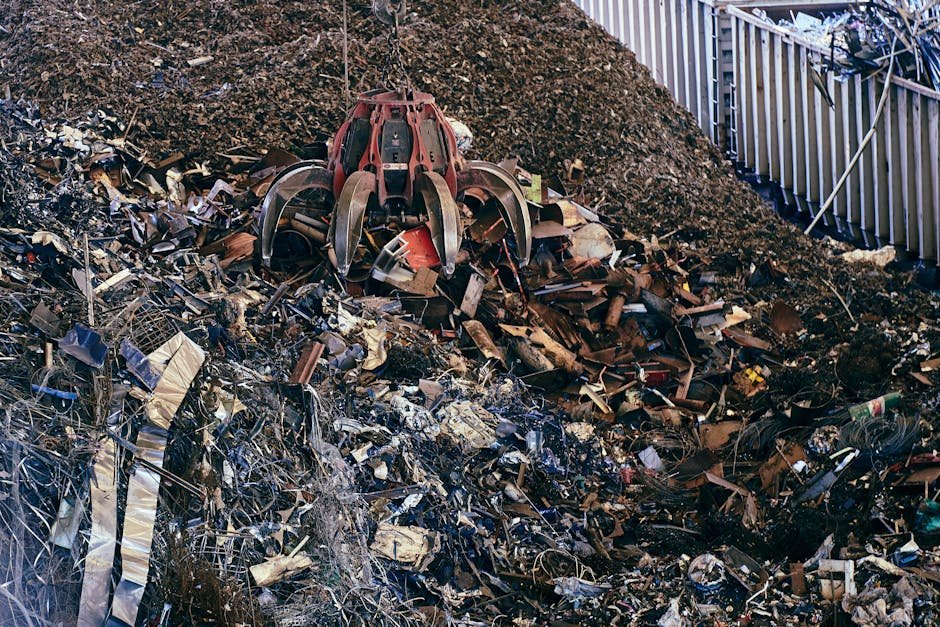

When you are searching for scrap metal hastings solutions, you are participating in a vital circular economy that powers Australian industry. Hastings, a key industrial and regional hub, relies on efficient metal recovery to support its local businesses and environmental goals. Whether you are a tradesperson, a demolition contractor, or a household owner, understanding how to manage your metal waste is the first step toward sustainability and financial gain. By choosing to recycle rather than discard, you contribute to a cleaner, more efficient future for the Mornington Peninsula and beyond.
Understanding Metal Grades: Ferrous vs. Non-Ferrous
To maximize the value of your materials, you must first understand the classification of metals. The industry generally divides scrap into two primary categories: ferrous and non-ferrous. Ferrous metals, such as iron and steel, contain iron and are magnetic. They are the backbone of construction and manufacturing. Common examples include structural beams, old machinery, automotive parts, and household appliances. Because these are produced in such high volumes, they are the most recycled materials on the planet.
Non-ferrous metals, on the other hand, do not contain iron and are generally more valuable due to their scarcity and the energy required to mine them. This category includes copper, aluminium, brass, lead, and stainless steel. Copper, for instance, is highly sought after for its electrical conductivity and is often found in wiring, plumbing pipes, and roofing materials. Aluminium is prized for its lightweight properties and is common in window frames and automotive components. If you are looking to Sell Scrap Metal Near Me In 2026, knowing the difference between these grades will help you prepare your loads for better processing efficiency.
Beyond these two categories, grading is further refined by purity. Contamination—such as plastic insulation on copper wire or rubber on steel—can significantly lower the value of your scrap. Professional recyclers use specific testing methods to determine the exact alloy composition. By keeping your metals separated by grade at the source, you ensure that you receive the best possible market rates. For those in surrounding areas, we also provide specialized services for scrap metal tynong and scrap metal nangana to ensure regional coverage is seamless.
The Scrap Metal Recycling Process
The journey of a piece of scrap metal from a job site to a new product is a sophisticated logistical operation. The process begins with collection, where scrap is gathered from various sources, including industrial manufacturing sites, construction demolition, and residential clean-ups. Once the material reaches a certified facility, the sorting phase begins. This is where high-tech equipment, such as magnetic separators, eddy current separators, and X-ray fluorescence (XRF) analyzers, come into play to identify the exact chemical composition of the metal.
After sorting, the metals are processed. This often involves shredding or shearing the metal into smaller, manageable pieces. Shredding is particularly useful for light iron and vehicles, as it increases the surface area for the subsequent smelting process. Once shredded, the metal is compressed into dense bales, which are easier to transport to foundries and refineries. In these facilities, the scrap is melted down in furnaces, purified, and cast into ingots or billets. These ingots then serve as the raw material for new manufacturing, effectively closing the loop.
If you are exploring Scrap Metal Recycling Near Me, it is important to choose a facility that utilizes modern, environmentally compliant processing methods. Transparency in the weighing process is also crucial. At our facilities, we utilize calibrated, government-certified scales to ensure that every kilogram of your scrap is accounted for accurately. By maintaining high standards in our recycling infrastructure, we ensure that the scrap metal trade remains a reliable and profitable sector for all participants.
Environmental Benefits of Recycling
The environmental impact of recycling scrap metal cannot be overstated. Mining virgin ore is an energy-intensive process that involves massive land disruption, water pollution, and significant greenhouse gas emissions. In contrast, recycling scrap metal uses a fraction of the energy required to process raw materials from the earth. For example, recycling aluminium saves approximately 95% of the energy required to produce new aluminium from bauxite ore. This energy saving directly translates to a lower carbon footprint for the entire manufacturing sector.
Furthermore, recycling prevents hazardous waste from entering our landfills. Many metals contain trace elements that can leach into groundwater if left to corrode in the elements. By recovering these materials, we protect our local ecosystems in Hastings and the surrounding regions. The conservation of natural resources is another key benefit; every tonne of steel recycled saves over a tonne of iron ore, 600 kilograms of coal, and 50 kilograms of limestone. This preservation of finite resources is essential for the long-term sustainability of the global economy.
For those interested in the economic side of these environmental efforts, staying informed about Scrap Metal Prices is essential. Market fluctuations are influenced by global demand, particularly in large manufacturing economies, and local supply chain logistics. By recycling locally, you reduce the carbon emissions associated with transporting heavy materials over long distances. Our commitment at Scrap Trade Australia is to provide the most efficient, transparent, and environmentally friendly recycling path for all our clients.
Logistics and Preparation for Scrap Delivery
Efficiency is the key to a successful scrap metal transaction. Whether you are a commercial contractor with a large bin or a residential customer with a ute load, preparation saves time and money. Start by cleaning your scrap. Removing non-metallic attachments like plastic, wood, or glass not only speeds up the unloading process but also ensures you get the best price for your metal. If you have large items that need dismantling, ensure you have the appropriate tools to break them down into manageable sizes.
Safety is paramount when handling scrap metal. Always wear heavy-duty gloves, steel-toed boots, and eye protection. Metal edges can be razor-sharp, and heavy loads can shift during transport. If you are dealing with industrial machinery, ensure that any fluids (oil, fuel, hydraulic fluid) have been drained and disposed of according to environmental regulations. Most reputable facilities will not accept items that still contain hazardous fluids, so proactive preparation is a sign of a professional operator.
When you arrive at a facility, pay attention to the signage and instructions provided by the staff. They are there to direct you to the correct unloading zones for different grades of metal. Using a professional service ensures that your scrap is weighed correctly and that you are paid promptly. By maintaining a clean and organized load, you demonstrate that you are a serious supplier, which can lead to better long-term relationships with your scrap metal partner.
The Future of the Scrap Metal Industry in 2026
As we look toward 2026 and beyond, the scrap metal industry is undergoing a digital transformation. Technology is making it easier than ever to track materials, predict price trends, and optimize logistics. The integration of blockchain for supply chain transparency and AI-driven sorting systems is revolutionizing how we handle waste. For those involved in scrap metal hastings, this means more accurate pricing, faster service, and a more robust market for your recovered materials.
Sustainability reporting is also becoming a requirement for many businesses. By recycling your metal, you can generate data that supports your company’s ESG (Environmental, Social, and Governance) goals. We provide detailed documentation for your recycling activities, which can be used to demonstrate your commitment to waste reduction and circular economy principles. This is not just good for the planet; it is a competitive advantage in an increasingly eco-conscious market.
Furthermore, the demand for recycled metals is set to skyrocket as the world transitions to renewable energy technologies. Electric vehicles, wind turbines, and solar panels all require vast amounts of copper, aluminium, and steel. By recycling today, you are essentially mining the urban landscape for the materials of tomorrow. This shift in demand ensures that the scrap metal industry will remain a vital contributor to the Australian economy for decades to come.
Practical Tips for Maximizing Scrap Value
To get the most out of your scrap metal, consistency is key. If you are a business, implement a sorting system at the point of production. Use color-coded bins for different types of metals—copper in one, aluminium in another, and steel in a third. This prevents cross-contamination and saves your team hours of sorting time later. If you are a demolition contractor, consider the value of the metals you are removing before you start the project. A strategic approach to dismantling can separate high-value items from low-value debris, significantly increasing your project’s bottom line.
Another tip is to monitor market trends. While we cannot control global commodity prices, we can choose when to sell. If you have the storage capacity, holding onto certain metals during a market dip can be a smart financial move. However, ensure that your storage area is secure and protected from the elements to prevent degradation. Always keep your scrap dry, as oxidation can reduce the quality of certain metals over time.
Finally, build a relationship with a trusted recycling partner. A consistent partner will understand your specific needs, provide timely pick-up services, and offer expert advice on how to optimize your scrap collection. Whether you are in Hastings, Tynong, or Nangana, having a reliable contact in the industry is the best way to ensure your recycling efforts are both profitable and sustainable. We pride ourselves on being that partner for thousands of Australians, providing the tools and knowledge necessary to succeed in the scrap metal market.
Conclusion: Why Local Recycling Matters
The importance of local scrap metal recycling cannot be overstated. By focusing on scrap metal hastings, we are keeping resources within our community, reducing the carbon footprint of our industrial sector, and supporting local jobs. Recycling is more than just a way to clear out a shed or a warehouse; it is an active contribution to the health of our planet and the strength of our economy.
As we have explored, the process of recycling is complex, but the benefits are clear. From understanding your metal grades to preparing your materials for the best price, every step you take makes a difference. We encourage you to continue learning about the industry, staying updated on market fluctuations, and choosing to recycle responsibly. Whether you are a small-scale recycler or a large industrial firm, your participation in the circular economy is valued and necessary.
If you are ready to take the next step, reach out to our team today. We provide comprehensive support for all your scrap metal needs, ensuring that you receive the best service, the most accurate pricing, and the most reliable logistical support in the region. Join us in building a more sustainable future, one tonne of recycled metal at a time.
Frequently Asked Questions
What is the most valuable type of scrap metal?
Non-ferrous metals like copper, brass, and high-grade aluminium are generally the most valuable. Their scarcity and the high energy costs associated with mining them make them highly sought after by recyclers.
How should I prepare my scrap metal for recycling?
Sort your metals into separate piles based on their type (ferrous vs. non-ferrous) and remove any non-metallic contaminants like plastic, wood, or rubber. Ensuring your metal is clean and free of hazardous fluids will help you get the best price.
Why are scrap metal prices always changing?
Scrap metal prices are determined by global supply and demand, the cost of raw materials, and currency fluctuations. Because these factors change daily, local prices often fluctuate in alignment with global commodity markets.
Can I bring scrap metal directly to a facility?
Yes, most professional scrap yards accept walk-in customers or drop-offs. It is recommended to contact the facility beforehand to confirm their operating hours and any specific requirements for unloading your material.