
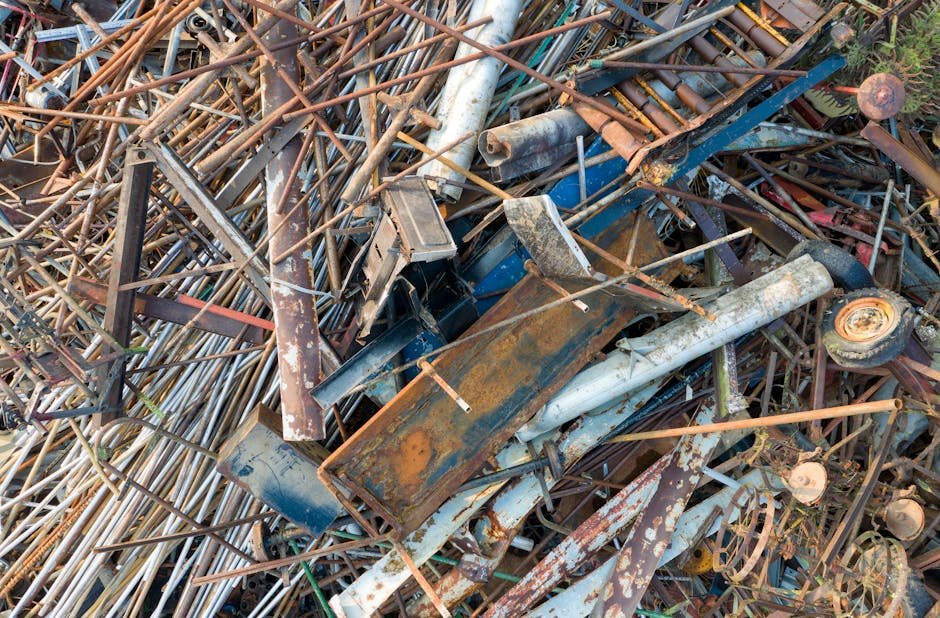

When searching for reliable scrap metal Tynong solutions, it is essential to understand that the industry is more than just collecting discarded materials; it is a sophisticated supply chain that powers global manufacturing. As Tynong continues to develop, the demand for efficient metal recovery has grown, making it vital for local industries and households to partner with reputable recyclers. Whether you are clearing out a shed or managing industrial waste, understanding the nuances of material grading and market fluctuations is the key to maximizing your returns. If you are looking to Sell Scrap Metal Near Me In 2026, our platform provides the transparency and pricing data you need to make informed decisions. We also support regional networks, including scrap metal nangana and scrap metal maidstone, ensuring that high-quality recycling infrastructure is accessible across Victoria.
Understanding Metal Grades: Ferrous vs. Non-Ferrous
The foundation of the recycling industry lies in the classification of metals. To get the best value for your scrap metal Tynong, you must distinguish between ferrous and non-ferrous materials. Ferrous metals contain iron and are magnetic. Examples include mild steel, carbon steel, stainless steel, and cast iron. These are typically found in structural beams, old machinery, and automotive parts. Because these metals are produced in massive quantities, their pricing is often volume-driven. You can monitor the latest market trends by checking our Scrap Metal Prices page to ensure you are getting a fair valuation for your steel and iron scrap.
Non-ferrous metals, on the other hand, do not contain iron and are generally more valuable due to their corrosion resistance and ease of recycling. This category includes copper, aluminium, brass, lead, and zinc. Copper is arguably the most sought-after metal in the recycling market due to its high conductivity and infinite recyclability. Whether it is bright shiny copper wire or plumbing pipes, non-ferrous items command a premium. Understanding these grades is the first step when you search for Scrap Metal Recycling Near Me. By separating your metals before heading to a yard, you significantly increase the efficiency of the sorting process, which often leads to better payouts for the seller.
The Lifecycle of Metal: How Recycling Works
The process of recycling metal is a complex, multi-stage operation that transforms raw, discarded scrap into high-quality feedstock for new production. When you bring your materials to a facility, the first step is weighing and inspection. Professionals use specialized equipment to identify the alloy composition of the scrap. This is critical because contaminants, such as plastics or non-metallic attachments, can ruin an entire batch of molten metal. Once verified, the material is sorted. Advanced facilities use eddy current separators, X-ray fluorescence (XRF) analyzers, and magnetic belts to ensure high purity levels.
After sorting, the metal is processed through shredding or shearing. Shredders break large items—like car bodies or white goods—into small, manageable pieces. This increases the surface area, making it easier to remove impurities. Once shredded, the metal is melted in massive furnaces. The resulting molten metal is cast into ingots or billets, which are then shipped to manufacturers to be rolled into sheets, wires, or structural components. This circular economy is what makes the Scrap Trade platform so vital for the Australian market. By keeping these materials in the loop, we reduce the need for energy-intensive mining and refining of virgin ore, which is a cornerstone of modern sustainability.
Environmental Benefits of Scrap Metal Recycling
The environmental impact of recycling cannot be overstated. Mining virgin ore is one of the most energy-intensive and ecologically damaging activities on the planet. By choosing to recycle, you are directly contributing to the reduction of greenhouse gas emissions. For instance, recycling aluminium saves approximately 95% of the energy required to produce it from raw bauxite ore. Similarly, recycling steel reduces water consumption by 40% and air pollution by 86% compared to primary production.
Furthermore, recycling scrap metal Tynong helps prevent hazardous materials from entering our local ecosystems. Old appliances and industrial equipment often contain trace amounts of chemicals or oils that, if left in a landfill, can leach into the groundwater. Professional recyclers are equipped to handle these materials safely, ensuring that hazardous components are disposed of according to strict environmental regulations. Utilizing a professional metal trading platform ensures that your scrap is handled by certified professionals who prioritize environmental stewardship. By participating in this system, you are not just clearing space—you are helping to preserve the natural beauty of the Tynong region for future generations.
Maximizing Your Returns: Practical Tips for Sellers
To get the most out of your scrap metal, preparation is everything. First, focus on separation. Mixing grades—such as putting aluminium in with steel—will result in a lower “mixed metal” price. If you take the time to strip insulation off copper wire or remove plastic handles from aluminium pots, you are moving your material into a higher-value category. Clean, sorted scrap is always preferred by recyclers because it requires less labor to process.
Second, timing is essential. The global metal market is volatile and influenced by factors such as currency exchange rates, global demand (especially from manufacturing hubs in Asia), and shipping costs. Keep an eye on market reports and consider hoarding your high-value non-ferrous metals until the prices are favorable. Finally, build a relationship with a trusted yard. Consistency and honesty regarding the quality of your scrap go a long way. When you work with established traders, you gain access to better logistics, faster processing, and more reliable payment terms.
The Role of Technology in Modern Metal Trading
The scrap metal industry has evolved from “junkyards” to high-tech processing centers. Today, data analytics play a huge role in how scrap is traded. Platforms now allow users to track the movement of commodities in real-time, providing transparency that was previously unavailable to the average person. This digital transformation is what we champion at our organization. By leveraging technology, we can bridge the gap between small-scale scrap generators and large-scale industrial consumers.
This connectivity means that whether you are in a regional area or a major city, you have access to the same market data as the big players. We encourage all our users to utilize digital tools to track their inventory and optimize their sales cycles. By understanding the flow of materials, you can make smarter decisions about when to sell and how to manage your waste streams. This is the future of the circular economy in Australia, and it starts with informed individuals and businesses taking control of their recycling habits.
Safety and Compliance in Scrap Handling
Safety is the most critical aspect of any scrap metal operation. Handling heavy machinery, sharp edges, and potentially hazardous materials requires proper training and equipment. If you are dealing with industrial scrap, always ensure that items are free of pressurized cylinders, radioactive materials, or toxic chemicals. Most reputable yards will have strict policies regarding what they can and cannot accept for the safety of their staff and the environment.
Compliance with local, state, and federal regulations is also mandatory. This includes proper documentation for the sale of scrap to prevent the trade of stolen goods. By choosing to work with licensed and professional recyclers, you ensure that your transactions are transparent and legal. This not only protects you as a seller but also supports an industry that operates with integrity and professionalism. Always ask your local yard about their compliance certifications if you are unsure.
Conclusion: Building a Sustainable Future
Recycling is the cornerstone of a sustainable future, and your participation in the scrap metal Tynong ecosystem is a vital contribution to that goal. By understanding the grades, the recycling process, and the environmental benefits, you are doing more than just clearing out clutter; you are participating in a global supply chain that values resource efficiency. We invite you to explore our resources, track market prices, and join the network of responsible recyclers who are making a difference. Whether you are an individual with a small collection or a business with ongoing industrial waste, there is a place for your scrap in the circular economy. Start your journey today and help us turn yesterday’s waste into tomorrow’s resources.
Frequently Asked Questions
- Q: How do I know if my metal is ferrous or non-ferrous?
A: The easiest way is to use a magnet; if it sticks, the metal is ferrous (like steel or iron), and if it does not, it is non-ferrous (like copper, aluminium, or brass). - Q: Why does the price of scrap metal change so often?
A: Scrap metal prices are tied to global commodity markets, which fluctuate based on international supply and demand, manufacturing production levels, and currency exchange rates. - Q: Can I recycle items that have plastic or rubber attached?
A: Yes, but it is highly recommended to remove these materials beforehand, as clean, sorted metal commands a much higher price than contaminated loads. - Q: What happens to the scrap metal after I drop it off?
A: Your scrap is sorted, processed, shredded, and melted down into new ingots, which are then sold to manufacturers to create new products, completing the recycling loop.
Frequently Asked Questions
How do I know if my metal is ferrous or non-ferrous?
The easiest way is to use a magnet; if it sticks, the metal is ferrous (like steel or iron), and if it does not, it is non-ferrous (like copper, aluminium, or brass).
Why does the price of scrap metal change so often?
Scrap metal prices are tied to global commodity markets, which fluctuate based on international supply and demand, manufacturing production levels, and currency exchange rates.
Can I recycle items that have plastic or rubber attached?
Yes, but it is highly recommended to remove these materials beforehand, as clean, sorted metal commands a much higher price than contaminated loads.
What happens to the scrap metal after I drop it off?
Your scrap is sorted, processed, shredded, and melted down into new ingots, which are then sold to manufacturers to create new products, completing the recycling loop.