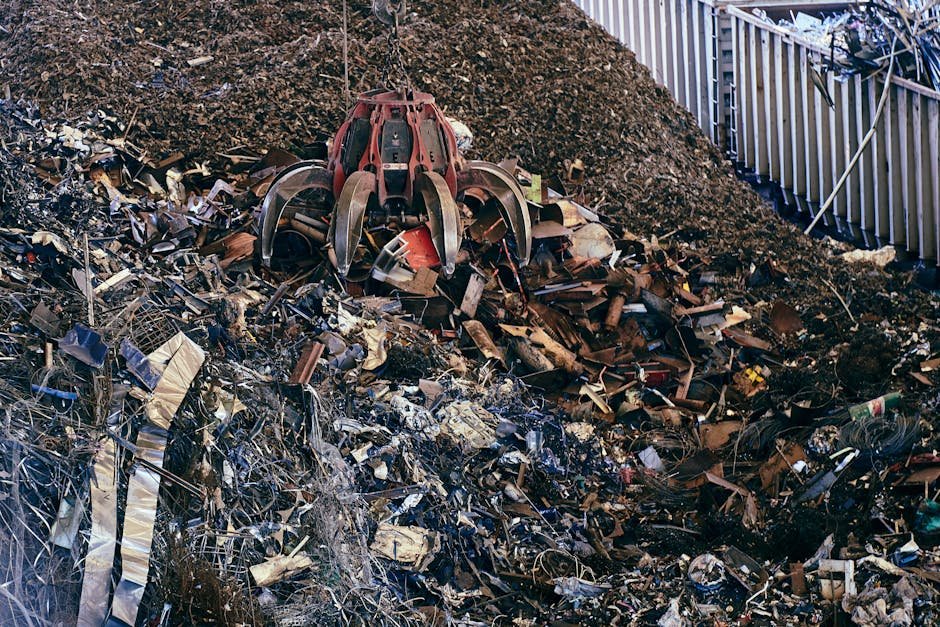

When searching for professional scrap metal yannathan services, it is essential to understand the local landscape of metal recovery. Whether you are a farmer in the Gippsland region, a construction contractor, or a household looking to clear out unwanted materials, effective recycling is a cornerstone of sustainable resource management. By choosing to recycle, you contribute to a circular economy that preserves natural resources and reduces the carbon footprint associated with mining raw ore. As you navigate the industry, knowing how to identify, sort, and prepare your materials will ensure you receive the best returns while supporting ethical recycling practices.
Understanding Metal Grades: Ferrous vs. Non-Ferrous
To maximize the value of your scrap, you must first categorize your materials. The industry is broadly divided into two primary categories: ferrous and non-ferrous metals. Ferrous metals contain iron, are magnetic, and are generally more abundant. Common examples include steel, cast iron, and wrought iron. Because these are susceptible to rust, they are often found in automotive parts, structural beams, and heavy machinery. In the context of scrap metal yannathan, ferrous scrap is often collected in bulk quantities, making it a staple for industrial recycling operations.
Non-ferrous metals, by contrast, do not contain iron and are typically more valuable due to their resistance to corrosion and their infinite recyclability. This category includes copper, aluminium, brass, lead, and stainless steel. Copper, often found in wiring and piping, is highly sought after due to its conductivity. Aluminium is ubiquitous in cans, window frames, and automotive components. Because these metals retain their properties even after repeated melting and reforming, they are the backbone of high-end manufacturing. When you decide to Sell Scrap Metal Near Me In 2026, separating your copper from your steel will significantly impact the final valuation of your load.
The Scrap Metal Recycling Process Explained
The journey from a pile of discarded metal to a refined raw material is a complex, multi-stage process. Once metal arrives at a facility, it undergoes rigorous inspection to ensure there are no contaminants such as plastics, glass, or hazardous materials. The first step is identification. Experts use handheld X-ray fluorescence (XRF) analyzers to determine the exact chemical composition of the metal, ensuring high-grade alloys are not mixed with low-grade scrap.
Following identification, the material is shredded or sheared. Shredding breaks the metal into small, manageable pieces, which increases the surface area for further processing. Magnetic separators are then used to pull ferrous metals out of the mix, while eddy current separators are employed to identify and eject non-ferrous metals through electromagnetic induction. This sophisticated technology allows for the efficient recovery of materials that would otherwise be lost. For those in the surrounding areas, our services extend beyond Yannathan; we also provide expert scrap metal rythdale and scrap metal vervale solutions to ensure regional coverage for all industrial and residential needs.
Environmental Benefits of Recycling
The environmental case for recycling is undeniable. Mining raw ore is an incredibly energy-intensive process that involves massive land disruption, habitat destruction, and significant greenhouse gas emissions. When we recycle aluminium, for instance, we use approximately 95% less energy than is required to produce the same amount of aluminium from bauxite ore. This energy savings translates directly into a reduction in carbon emissions, helping Australia meet its climate targets.
Furthermore, recycling prevents hazardous heavy metals from leaching into the soil and groundwater. Old appliances, electronics, and automotive parts often contain lead, mercury, or cadmium. When these are sent to landfills, they pose a long-term threat to local ecosystems. By utilizing professional scrap metal yannathan services, you ensure that these materials are processed in a controlled, environmentally compliant facility. If you are ready to make a positive impact, start by checking Scrap Metal Prices to understand the market value of your materials and how they contribute to a sustainable future.
Maximizing Your Returns: Practical Tips for Sellers
Preparation is the key to getting the best value for your scrap. Before heading to a yard, take the time to clean your materials. Remove excess plastic, rubber, or wood attachments. While some yards will accept mixed loads, clean, sorted metals are always valued higher because they require less labor to process. For example, stripping insulation from copper wire can significantly increase its grade and price per kilogram.
It is also important to stay informed about market trends. Metal prices are volatile and fluctuate based on global demand, supply chain constraints, and currency exchange rates. Using a reliable platform like Scrap Trade can provide you with the necessary insights to time your sales effectively. Whether you are a business owner or an individual, understanding the logistics of transport and handling is also vital. Always prioritize safety: wear gloves, use appropriate lifting techniques, and ensure your vehicle is rated for the weight of the metal you are transporting. For those looking for local options, searching for Scrap Metal Recycling Near Me can help you locate the most convenient and reputable facility to handle your specific volume of scrap.
Industrial Applications and the Circular Economy
The scrap metal industry is not just about waste management; it is a vital component of the global supply chain. Manufacturers rely on high-quality recycled scrap to produce everything from new infrastructure to consumer electronics. By integrating recycled content into their production cycles, companies reduce their reliance on virgin materials, lower their production costs, and improve their ESG (Environmental, Social, and Governance) ratings.
In Australia, the demand for recycled metal is growing as the construction sector expands and the transition to renewable energy accelerates. Copper, for example, is essential for the production of electric vehicles and wind turbines. As we look toward the future, the role of local collection hubs becomes even more critical. You can learn more about how we facilitate these connections by visiting Scrap Trade Australia, where we bridge the gap between waste generators and industrial consumers. By participating in this system, you are not just clearing out your shed; you are providing the raw materials needed for tomorrow’s technology.
Safety and Regulatory Compliance
Safety is the top priority in any scrap metal operation. Handling heavy, sharp, or potentially hazardous materials requires specialized knowledge and equipment. Professional recyclers adhere to strict occupational health and safety (OHS) standards to protect their workers and the public. This includes the proper storage of batteries, the safe handling of pressurized containers, and the containment of fluids from automotive scrap.
Regulatory compliance also ensures that the recycling industry operates ethically. This involves proper record-keeping, adherence to environmental protection agency (EPA) guidelines, and ensuring that stolen materials do not enter the supply chain. By choosing a reputable, licensed recycler, you support a transparent system that benefits the community and the economy. Always ensure that the facility you choose is fully certified and operates with integrity, as this protects you as the seller and ensures that your materials are handled in accordance with the law.
Future Trends in Metal Recycling
The future of the scrap metal industry is being shaped by automation, artificial intelligence, and advanced material science. We are seeing the rise of smart sorting systems that use robotic arms and high-speed cameras to identify and sort metals with unprecedented accuracy. These advancements are making the recycling process faster, safer, and more efficient than ever before.
Furthermore, there is a growing focus on “urban mining”—the process of recovering valuable metals from discarded electronics and urban infrastructure. As natural resources become scarcer and more expensive to extract, the value of urban mining will continue to rise. By participating in local recycling programs today, you are helping to build the infrastructure of tomorrow. Stay updated on industry news and local developments to ensure you are always ahead of the curve in managing your metal assets effectively.
Conclusion
Recycling scrap metal is a simple yet powerful way to contribute to a sustainable Australia. By understanding the different grades of metal, the recycling process, and the environmental benefits involved, you can make informed decisions that benefit both your wallet and the planet. Whether you are dealing with small quantities of household scrap or large industrial loads, the principles of sorting, cleaning, and choosing the right partner remain the same. Take the first step today by evaluating your metal waste and connecting with professional services that value quality and sustainability. Together, we can drive the transition toward a truly circular economy, ensuring that valuable resources are kept in use and out of the landfill for generations to come.
Frequently Asked Questions
What is the difference between ferrous and non-ferrous metals?
Ferrous metals contain iron and are magnetic, such as steel and iron. Non-ferrous metals do not contain iron, are non-magnetic, and include valuable materials like copper, aluminium, and brass.
How can I get the best price for my scrap metal?
You can maximize your returns by sorting your metals by type and removing any contaminants like plastic, wood, or rubber. Checking current market prices before selling and choosing a reputable buyer will also ensure you get the best value.
Why is it important to recycle scrap metal instead of throwing it away?
Recycling metal saves significant amounts of energy compared to mining virgin ore and reduces greenhouse gas emissions. It also prevents hazardous substances from contaminating the environment and preserves natural resources.
Are there specific safety rules for handling scrap metal?
Yes, always wear protective gear like heavy-duty gloves and boots when handling scrap to avoid cuts from sharp edges. Ensure you are aware of the weight of your load and use proper lifting techniques or equipment to prevent injury.