
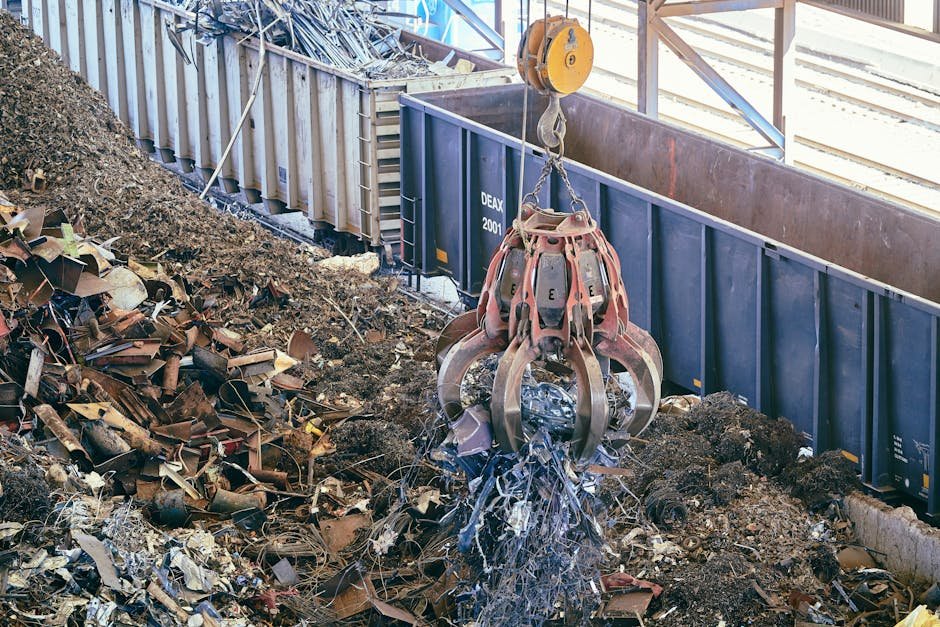

Understanding scrap value kaise nikale is the most critical step in transforming your industrial or household waste into a high-margin revenue stream. In the Australian market, profit isn’t just about the weight of your pile; it is about the precision of your sorting and the timing of your delivery. If you are sitting on a stockpile of metal, you need to stop guessing and start calculating your true returns based on current global commodity trends. Mastering the art of scrap value kaise nikale requires a systematic approach to grading, cleaning, and market timing that separates amateur sellers from those who consistently secure top-tier pricing.
The Science of Grading: Why Purity Drives Profit
The first rule of scrap trading is that contamination is the enemy of profit. Whether you are dealing with copper, aluminium, or complex alloys, the purity of your material dictates the price. A mixed load of steel and brass will always be valued at the lowest common denominator—the steel price. To maximize your returns, you must strip insulation from wires, remove plastic attachments from aluminium, and separate ferrous from non-ferrous materials. When you approach a recycler, you want to present a clean, sorted product that requires zero additional labor on their part. This is how you negotiate from a position of strength. If you are specifically dealing with high-value metals, you should read our guide on Titanium Scrap Price How To Get The Best Value For Your Titanium to ensure you aren’t leaving money on the table. Proper grading is the difference between a bulk rate and a premium premium payout.
Calculating Your Returns: Tools and Market Metrics
You cannot effectively determine your scrap value kaise nikale without access to real-time data. The Australian metal market fluctuates based on the London Metal Exchange (LME) and local demand. You should utilize resources like our Stainless Steel Scrap Calculator Estimate Your Material Value to get an immediate baseline for your specific grades. Once you have your baseline, you must factor in the volume of your load. For larger quantities, understanding the logistics is key. We highly recommend reviewing our expert advice on Scrap Metal Per Ton How To Maximize Value From Your Scrap to learn how to leverage scale for better rates. Remember, the scrap industry is a volume-driven business; the more you can consolidate your loads, the better your bargaining power becomes with local yards. Always check the current spot price before you load your truck, as market volatility can change your potential profit by hundreds of dollars in a single day.
Environmental Impact and Industry Standards
Recycling metal is not just a financial transaction; it is a critical component of the circular economy. By recycling, you are preventing raw ore extraction, which is energy-intensive and environmentally damaging. When you sell to a reputable buyer like Scrap Trade Australia, you are contributing to a sustainable supply chain that repurposes existing materials. This is particularly important for automotive components. Many sellers overlook the value hidden in their garage, so take a moment to Discover the Scrap Value of Alloy Wheels in Australia to see how high-grade aluminium can boost your bottom line while keeping waste out of landfills. Choosing a certified recycler ensures that your scrap is processed according to strict environmental standards, which also helps stabilize the market by maintaining a consistent supply of high-grade recycled metal. For professional-grade recycling services, visit Scrap Trade to connect with verified buyers who prioritize transparency and fair market pricing.
Strategic Action: How to Close the Deal
Now that you have the knowledge, it is time to take action. Do not wait for the market to dip. If you have a significant volume of scrap, contact a buyer today to lock in a price. Professional traders know that waiting for the ‘perfect’ price often leads to stagnation and storage costs. Instead, focus on the velocity of your sales. Clean your material, sort it by grade, weigh it accurately, and call your preferred yard to confirm their current buying rate. By presenting a professional, well-organized load, you signal to the buyer that you are a serious supplier, which often results in better service and faster payment terms. Your goal is to build a long-term relationship with a buyer who respects your effort in providing clean, high-quality scrap. Start your journey toward maximum profitability by applying these principles today—the market is waiting for your material.
Frequently Asked Questions
How does contamination affect the scrap value of my metal?
Contamination forces recyclers to spend time and energy cleaning or separating materials, which significantly lowers the value of your scrap. Always remove non-metallic attachments like plastic, rubber, or wood to receive the highest grade and price.
Why do scrap prices change so frequently?
Scrap metal prices are tied to global commodity markets, specifically the London Metal Exchange. Factors like international demand, currency fluctuations, and local supply levels cause these prices to shift daily.
Is it better to sell small amounts or wait until I have a large load?
Selling in larger volumes typically gives you better bargaining power and can lead to higher per-ton rates. However, if market prices are at a historic high, it may be more profitable to sell what you have immediately rather than waiting to accumulate more.
What is the most important step to get the best price for my scrap?
The most important step is accurate sorting and cleaning. When you present a load that is free of contaminants and clearly categorized by metal type, you eliminate ambiguity and ensure you are paid the top-tier rate for each specific grade.